Show summary Hide summary
- How a simple celebration became a headline
- What Elmo actually did and how it spread
- Key arguments from conservative critics
- Supporters’ counterpoints and defenses
- How media coverage intensified the story
- Impact on brands and children’s entertainment
- Experts weigh in on politicization and children’s media
- Where this fits in broader culture-war trends
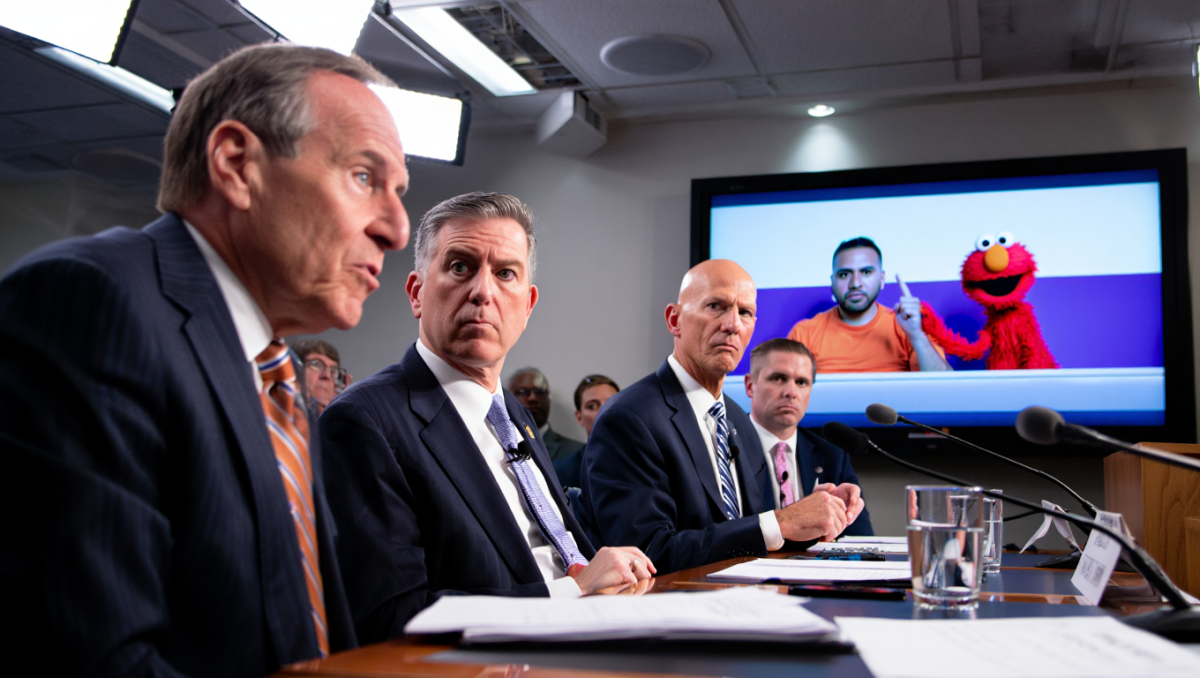
Elmo’s cheerful nod to Bad Bunny after the Super Bowl halftime show touched off an unexpectedly loud debate. What began as a short, playful clip quickly became a focal point in culture wars. Conservatives blasted the move online, calling it inappropriate for a children’s character. Supporters pushed back, arguing the outrage was disproportionate.
How a simple celebration became a headline
The exchange was brief. Elmo appeared on social media and applauded Bad Bunny’s halftime performance. The post was meant to be friendly and topical. Instead, it landed in a politically charged environment.
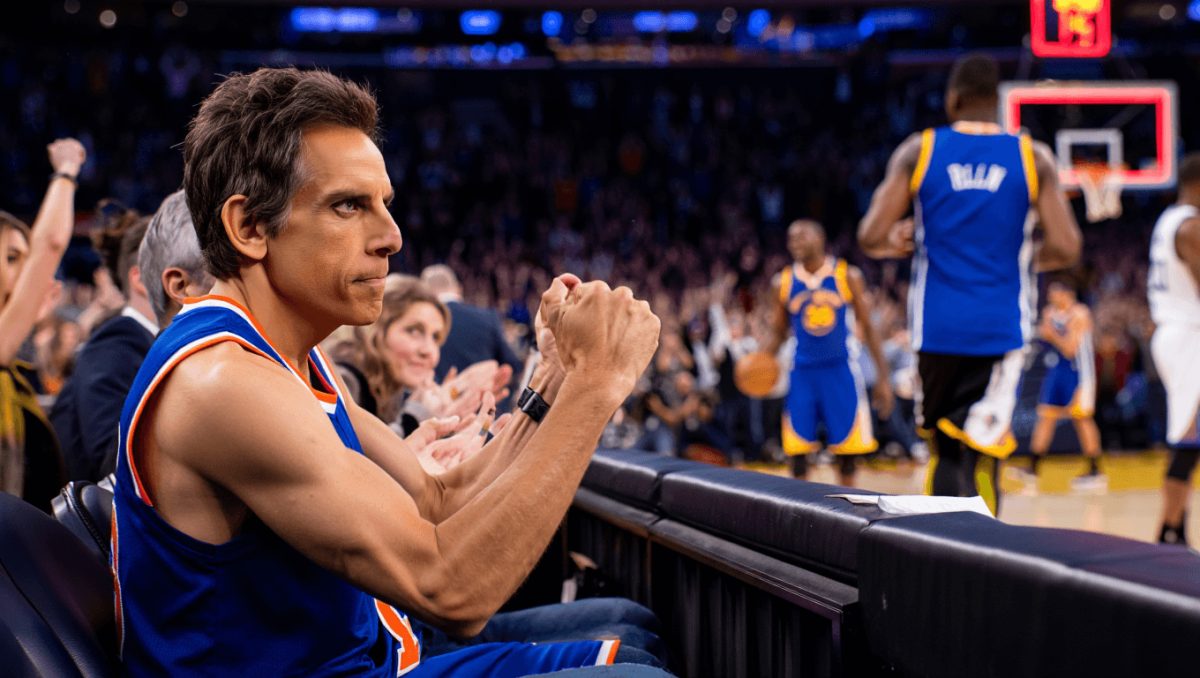
Knicks superfan Ben Stiller skips Oscars to watch gritty win over Warriors
U.S. embassies warn: 5 new travel alerts after demonstrations spread
- Timing mattered: the Super Bowl draws massive attention.
- Bad Bunny is a high-profile artist with a strong cultural presence.
- Elmo represents a long-standing kids’ franchise with broad recognition.
What Elmo actually did and how it spread
Elmo’s message was short and upbeat. Fans shared screenshots and clips across platforms. Within hours, heated threads started on social media forums and conservative pages.
Platform dynamics
- Twitter/X posts amplified the clip within minutes.
- Right-leaning commentators highlighted the post as evidence of politicization.
- Mainstream outlets picked up the story as the backlash grew.
Key arguments from conservative critics
Critique came from several angles. Many critics framed the post as an example of media overreach. Others focused on perceived messaging to children.
- Appropriateness: Some said children’s characters should avoid pop culture endorsements.
- Political signal: Others claimed the post carried ideological overtones.
- Platforming: A faction argued the post gave undue exposure to a controversial performer.
Supporters’ counterpoints and defenses
Those defending Elmo argued context matters. They said a celebratory response is different from a political endorsement.
- Many noted the post was not aimed at adults or policy debate.
- Fans argued cultural references help keep legacy characters relevant.
- Some pointed to inconsistency in what critics find objectionable.
How media coverage intensified the story
News outlets and pundits fed the feedback loop. Short clips made for viral sound bites. Opinion pieces followed, framing the event in broader cultural terms.
Media framing tactics
- Headline-driven stories emphasized conflict.
- Op-eds debated whether children’s media can be neutral.
- Analysis pieces connected the incident to larger trends in celebrity and branding.
Impact on brands and children’s entertainment
Brands closely watch these moments. A single social post can trigger boycotts or praise. The Elmo-Bad Bunny flap adds to a string of brand dilemmas over cultural references.
- Companies may tighten social media guidelines.
- Licensors could restrict topical remarks by characters.
- Parents and advocacy groups will continue to influence corporate decisions.
Experts weigh in on politicization and children’s media
Media scholars point to a few recurring themes. One is the blurring line between entertainment and commentary. Another is the audience’s role in shaping controversy.
- Cultural signaling: Public figures and characters send messages, intended or not.
- Amplification: Social platforms magnify small gestures into large debates.
- Parental expectations: Caregivers increasingly scrutinize what children see online.
Where this fits in broader culture-war trends
The episode is not isolated. Similar flashpoints have erupted over music, movies, and toys. Each one tests the boundaries of acceptable content for young audiences.
- Incidents are often replayed during election cycles.
- They become talking points for critics on both sides.
- Brands adapt by balancing relevance with caution.