Show summary Hide summary
- Paramount-Skydance’s franchise playbook and G.I. Joe’s place
- Two separate G.I. Joe treatments are underway
- Past G.I. Joe films and the challenge of rebooting the franchise
- Crossovers, producers, and larger franchise ambitions
- Why multiple treatments are ordered and possible outcomes
- Industry reporting and next steps
Paramount-Skydance’s sweeping studio moves have put new attention on which franchises it will rebuild. One of the properties now under watch is G.I. Joe, and the studio has quietly commissioned rival creative outlines from two very different writers.
Paramount-Skydance’s franchise playbook and G.I. Joe’s place
Paramount-Skydance is sizing up its intellectual property as it integrates recent corporate gains. G.I. Joe sits among the action brands the company could revive. Studios often order multiple treatments to test tones and creative directions before committing to a full script.
Two separate G.I. Joe treatments are underway
Sources tell industry outlets that the studio has asked for at least two independent treatments for a new G.I. Joe feature. Each document would present a distinct approach to the characters and world.
U.S. embassies warn: 5 new travel alerts after demonstrations spread
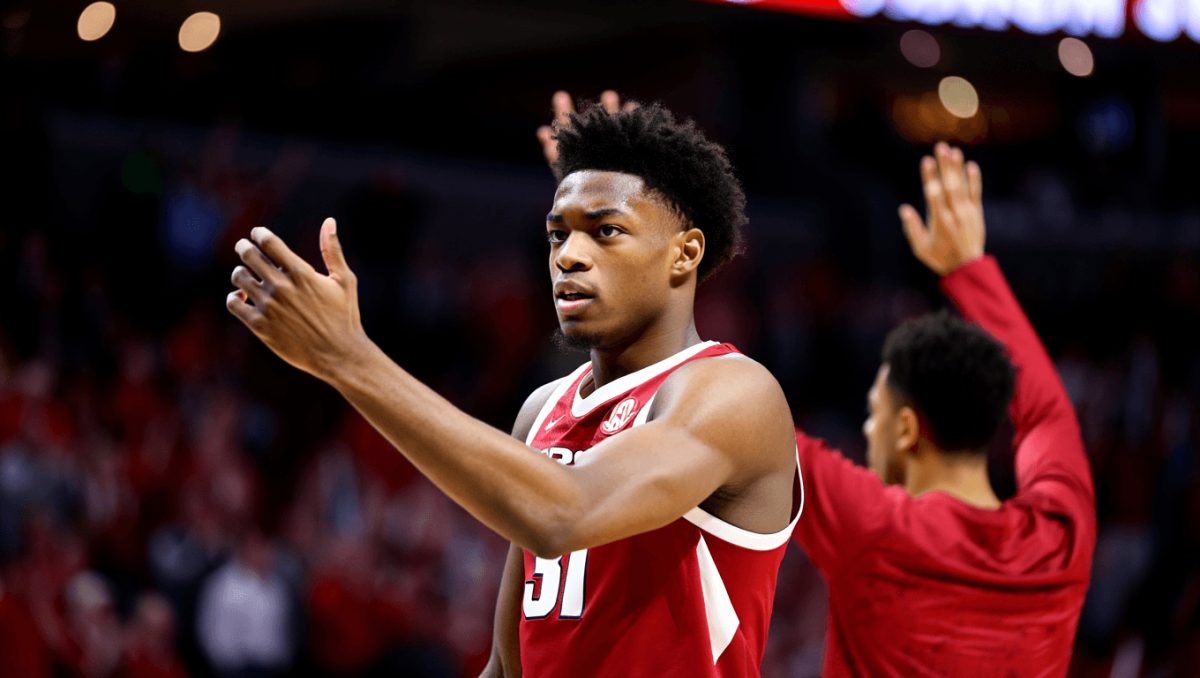
Arkansas’ Darius Acuff Jr. earns rare Kyrie Irving comp from Bill Simmons
- One treatment is reportedly being drafted by Max Landis.
- The other is said to be in development with Danny McBride.
Both are early-stage efforts. Neither is guaranteed to become a screenplay, nor a finished film.
What Max Landis brings and the controversy around him
Max Landis is the son of director John Landis and the screenwriter behind Chronicle and the Netflix film Bright. His work has earned attention for high-concept ideas. In 2019, several women publicly accused him of emotional and sexual abuse in a widely read report. The allegations led to industry fallout and stalled projects. Those accusations remain a major factor in how studios and collaborators view his involvement.
Danny McBride’s competing vision
Danny McBride, best known as a creator and star of The Righteous Gemstones, is also reported to be in talks to deliver a separate G.I. Joe treatment. McBride’s voice is more comedic and character-driven, which would present a different tone than other proposed takes. The studio could compare both treatments to see which aligns with its franchise strategy.
Past G.I. Joe films and the challenge of rebooting the franchise
The live-action G.I. Joe films have had a mixed commercial record. The two Channing Tatum-led movies from 2009 and 2013 each cleared $300 million worldwide. But the 2021 spinoff Snake Eyes, starring Henry Golding, earned roughly $40 million globally. Its release timing and the pandemic hurt box office returns. Reviving the brand requires balancing nostalgia with modern audiences’ expectations.
Crossovers, producers, and larger franchise ambitions
Industry conversations once floated the idea of crossing G.I. Joe with other tentpole franchises. A crossover with Transformers was discussed and briefly teased in a post-credits scene, but it never developed into a full project. Lorenzo di Bonaventura, a producer linked to both series, remains a common throughline. As Paramount-Skydance evaluates its film slate, it may prioritize how G.I. Joe can connect to other action properties.
Why multiple treatments are ordered and possible outcomes
Studios often commission more than one treatment for several reasons:
- To compare creative directions and tones.
- To test marketability and franchise potential.
- To provide options if one writer is unavailable or controversial.
- To protect the studio from committing to a single vision too early.
From these options the studio could:
- Choose one treatment to expand into a full screenplay.
- Merge elements of both into a hybrid approach.
- Decline both and shelve the project.
Industry reporting and next steps
Trade publications first named the writers and described the development status. Both projects are being described as treatments in deep development. That term signals the studio is exploring concepts but has not greenlit production. It is common for treatments to never progress beyond this stage. The Hollywood Reporter is credited with reporting Landis’s involvement, and other outlets have followed with additional detail.