Show summary Hide summary
- What the controversy claims about Bad Bunny’s halftime act
- How the politician framed the request
- Public reaction: disbelief and mockery
- Why fans defend the halftime performance
- Broadcast standards and legal context
- How the NFL and networks respond to complaints
- Cultural context: performance art, LGBTQ+ visibility, and politics
- Voices from the music industry and commentators
- Social media metrics and public sentiment
- What to watch next in the debate
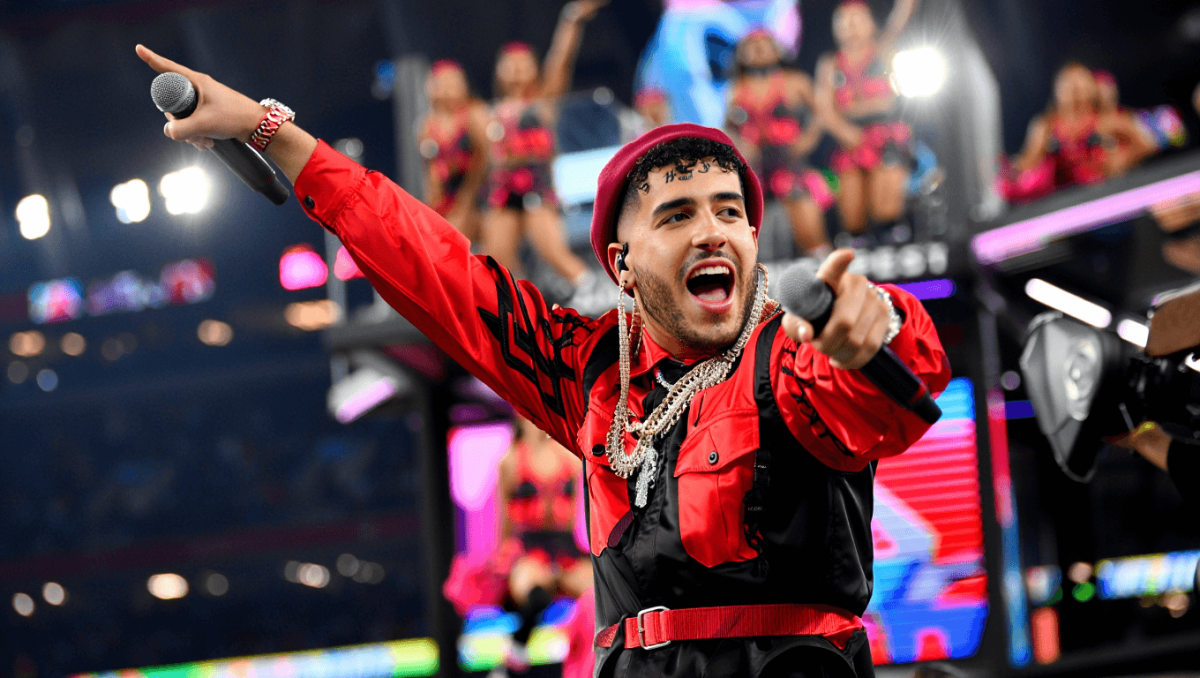
Bad Bunny’s Super Bowl halftime set stirred applause and conversation — and now a Republican lawmaker wants a probe, claiming the performance crossed a line into “gay pornography.” The demand has sparked a wave of bewildered responses online, with many viewers saying the suggestion misreads what millions watched live.
What the controversy claims about Bad Bunny’s halftime act
The criticism centers on one lawmaker’s call for an official investigation into the halftime show. He alleges elements of the performance were pornographic and targeted at a sexualized audience.
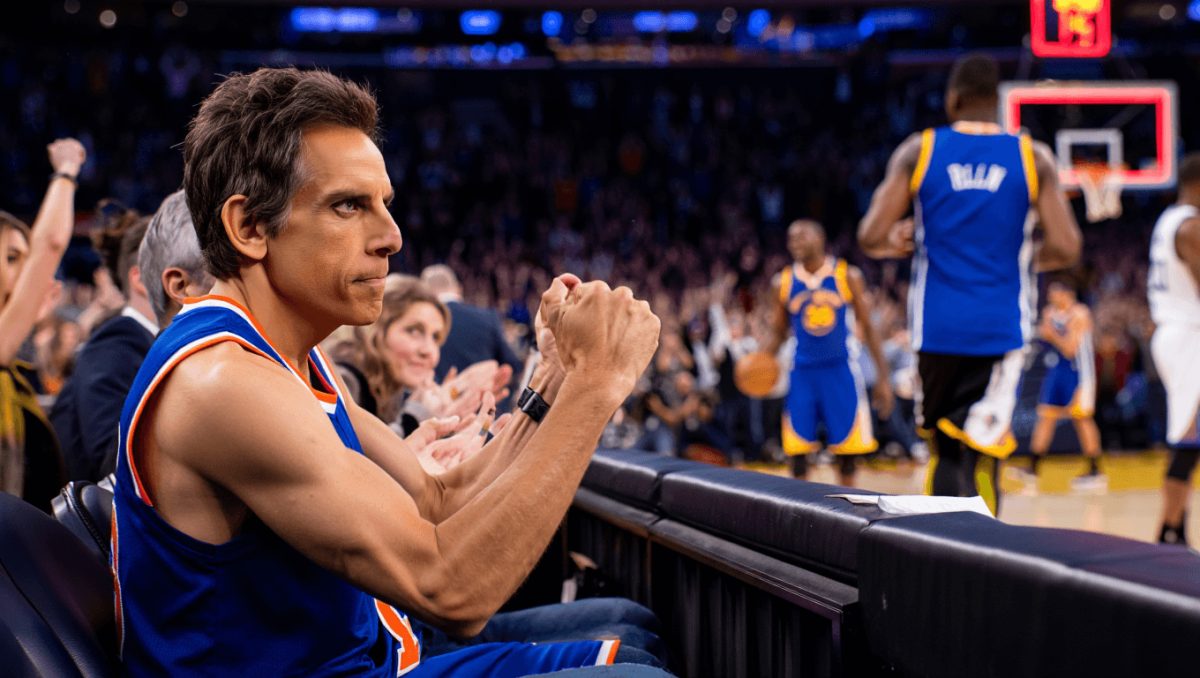
Knicks superfan Ben Stiller skips Oscars to watch gritty win over Warriors
U.S. embassies warn: 5 new travel alerts after demonstrations spread
Supporters of the artist and many viewers reject that view, arguing the show was a high-energy musical act blending choreography, fashion, and theatrical staging.
How the politician framed the request
In a public statement, the Republican described the halftime production using provocative language and urged regulators to review whether it violated broadcast standards.
- The request referenced specific scenes and costumes.
- It called for accountability from the broadcaster and event organizers.
- The lawmaker suggested potential fines or policy changes if the claim held up.
Public reaction: disbelief and mockery
On social platforms, many users reacted with incredulity. The prevailing online comment was simple: “Did we watch the same show?”
- Some posted side-by-side clips to show the act was mainstream pop staging.
- Others highlighted the artist’s wide appeal across demographics.
- Memes and humorous commentary amplified the backlash against the demand.
Why fans defend the halftime performance
Viewers pointed to the musical repertoire, choreography, and cultural references as evidence the show was artistic, not pornographic.
- Bad Bunny’s visuals were theatrical and stylized.
- Costume choices fit a long tradition of bold stage fashion.
- The performance emphasized rhythm and spectacle over explicit content.
Broadcast standards and legal context
Experts note broadcast regulation varies by jurisdiction. Complaints can prompt reviews, but proving a violation can be difficult.
Decisions often hinge on context, intent, and audience expectations. Live televised entertainment routinely tests boundaries, yet rarely meets the legal bar for censorship.
How the NFL and networks respond to complaints
The NFL and broadcast partners typically weigh viewer feedback, advertiser concerns, and legal counsel. They may issue statements or consult standards teams.
- Immediate removals are rare unless rules are clearly breached.
- Networks tend to defend editorial decisions when content falls within accepted norms.
- Past controversies have resulted in policy reviews rather than punitive action.
Cultural context: performance art, LGBTQ+ visibility, and politics
The debate also taps into larger conversations about representation and political messaging. Some critics cast the claim as an attack on LGBTQ+ expression.
Supporters of the artist see the push for an investigation as politicizing a mainstream music moment.
Voices from the music industry and commentators
Industry figures defended the halftime show as consistent with contemporary pop spectacles. Commentators pointed out the disparity between the lawmaker’s language and the actual content.
- Music producers emphasized freedom of artistic expression.
- Cultural analysts noted shifting norms around gender and performance.
- Legal commentators underscored the high threshold for regulatory action.
Social media metrics and public sentiment
Engagement data shows the #BadBunny halftime conversation trended widely after the complaint. Sentiment analysis reflected strong support for the artist.
Positive reactions outnumbered calls for an investigation in many sampled conversations across platforms.
What to watch next in the debate
Potential developments include formal complaints filed with regulators or an official response from the broadcaster. Watch for statements from the NFL and network standards officials.
Meanwhile, the episode highlights how cultural events can become flashpoints in political discourse.