Show summary Hide summary
- What sparked the headphone controversy on United flights
- United Airlines’ position and public reaction
- What rules might justify removal or bans
- Passenger rights and airline policies you should know
- Tips to avoid headphone-related conflicts on flights
- When to escalate a complaint and how to respond
- Legal and advocacy perspectives on enforcement
Passengers on United Airlines flights have found themselves at the center of a heated debate after reports suggested travelers could face penalties — including being barred from future flights — for refusing to wear headphones while using personal entertainment devices. The controversy highlights how routine safety and comfort rules can escalate into airline enforcement actions, and why passengers should know what behavior might trigger a serious response from carriers.
What sparked the headphone controversy on United flights
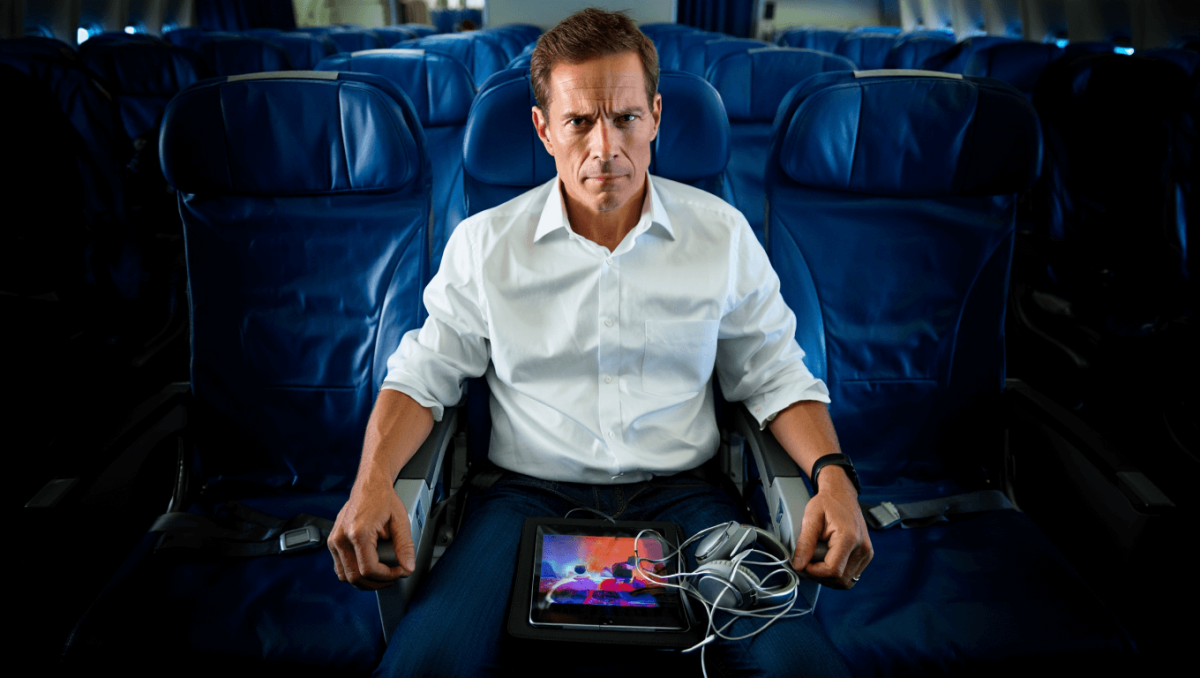
Social media videos and passenger accounts have circulated in recent months. They show onboard disputes triggered by travelers watching videos or listening to audio without earbuds. Crew members say such behavior can disturb other passengers. Critics say enforcement sometimes feels heavy-handed.
Christina Haack stuns in cream crochet bikini: responds to fourth engagement rumors
Knicks superfan Ben Stiller skips Oscars to watch gritty win over Warriors
How incidents typically unfold
- A passenger uses a tablet or phone for video or audio.
- Nearby travelers complain about volume or intrusive noise.
- Crew members are asked to intervene to resolve the conflict.
- In some cases, the passenger who refuses to comply is removed from the flight or faces travel sanctions.
United Airlines’ position and public reaction
United has long maintained rules meant to preserve safety and comfort. Staff are trained to manage passenger disputes and to de-escalate conflicts. When incidents draw widespread attention, the airline often issues statements emphasizing crew safety and passenger wellbeing.
Public reaction is split. Some travelers back strict enforcement to protect the cabin environment. Others call for clearer, fairer policies that avoid punishing minor infractions with severe penalties like future flight bans.
What rules might justify removal or bans
Airlines can act when a passenger’s conduct threatens safety or breaks cabin rules. Examples include aggressive behavior, repeated refusal to follow crew instructions, or actions that interfere with operations. Refusing to comply with a crew instruction is a common trigger for escalated measures.
- Noncompliance after multiple warnings
- Behavior that disrupts crew duties or other passengers
- Verbal or physical threats
Passenger rights and airline policies you should know
Travelers have rights, but they also accept certain rules when they board a plane. The ticket contract and the airline’s conditions of carriage outline the carrier’s authority to refuse or remove service.
Key points to keep in mind:
- Airlines may set quiet policies for shared spaces.
- Crew instructions carry weight and are typically enforceable.
- Passengers can appeal bans or complaints through airline customer service.
Tips to avoid headphone-related conflicts on flights
Simple steps can help passengers avoid confrontations and reduce the chance of being disciplined.
- Bring quality headphones or earbuds and use them for audio and video.
- Keep volume at a level that cannot be heard by others.
- Be polite if someone asks you to lower the sound. Ask a flight attendant for help if needed.
- Know the airline’s rules before boarding to avoid surprises.
When to escalate a complaint and how to respond
If you believe you were unfairly removed or penalized, follow these steps:
- Document the incident with names, times, and any witnesses.
- Contact the airline’s customer relations department promptly.
- File a formal complaint with aviation regulators if necessary.
Keep records of correspondence and receipts. That material can help if you seek reinstatement or compensation.
Legal and advocacy perspectives on enforcement
Consumer groups call for clearer standards and proportional responses. Legal experts say airlines must balance safety and traveler rights. Courts have generally backed carriers when passengers refuse reasonable crew instructions.
Advocates want better training for staff on de-escalation and transparent policies that avoid penalizing minor, unintentional actions.