Show summary Hide summary
- How the episode presented John Stirling’s final hours
- Actor Victor Alli reveals the medical cause
- Author Julia Quinn explains the medical reality
- Why the death felt sudden and unexplained on screen
- How the creative team handled sensitive medical detail
- What the revelation means for viewers and the story
- Behind-the-scenes: the actor’s wish for a different exit
The sudden sleep death of Lord John Stirling in Bridgerton season four stunned viewers and left many questions. The scene arrived at a fragile moment for his marriage to Francesca, turning newfound hope into sharp grief. Cast and author comments since then have filled in the medical and dramatic details behind that quiet, fatal moment.
How the episode presented John Stirling’s final hours
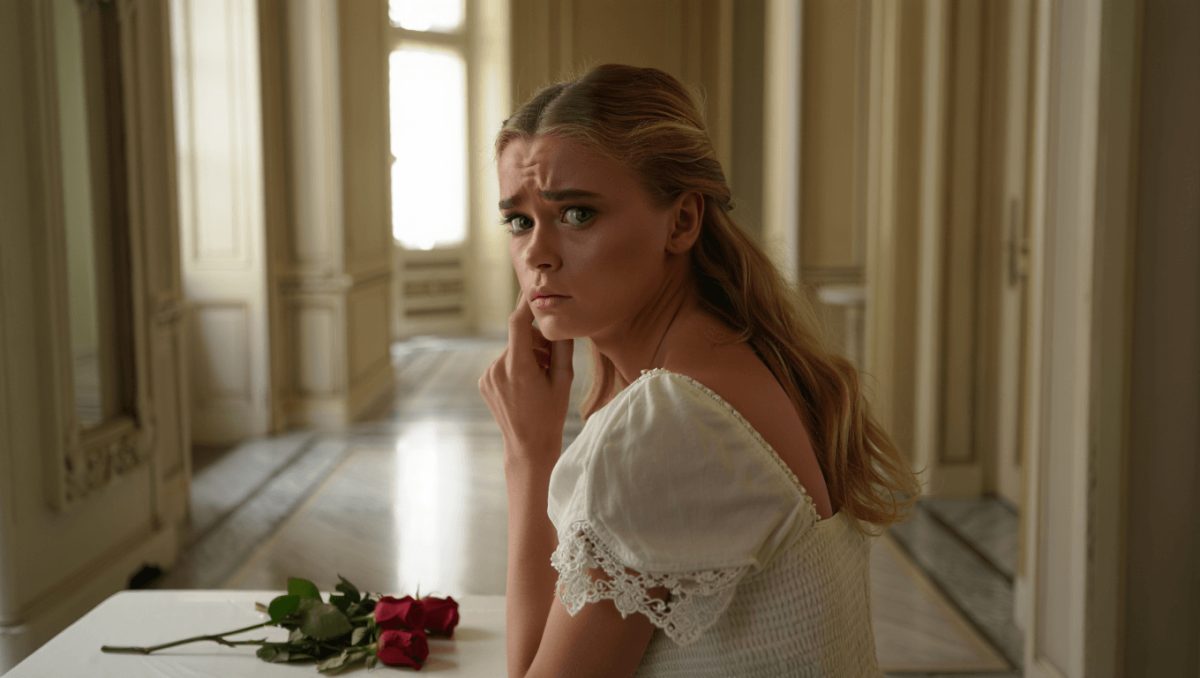
On screen, John had seemed to be settling into a better place with Francesca. A short nap turned tragic when he could not be roused. The show’s dialogue hinted at a severe headache, but gave few specifics.
Euphoria season 3: Sydney Sweeney left off set as feud with Zendaya intensifies
Serena Williams GLP-1 ad sparks backlash: weight-loss commercial called irresponsible and dystopian
- Francesca finds him unresponsive after a rest.
- Mourners reference a “headache” as the only clue.
- The suddenness left other characters and viewers searching for answers.
Actor Victor Alli reveals the medical cause
Victor Alli, who plays John, said he learned the exact cause of death from production staff while filming. He confirmed his character did not die from an accident or foul play. Instead, it was a sudden vascular event.
Alli stated John died of a brain aneurysm, an internal rupture that can occur with little or no warning. He described the timing as cruel, given the emotional reconciliation unfolding around John.
Author Julia Quinn explains the medical reality
Bridgerton novelist Julia Quinn has also clarified the condition. She outlined how aneurysms form and why they can be fatal so quickly.
- Cerebral aneurysms are weak points in brain blood vessel walls.
- They can remain dormant for years or enlarge rapidly.
- Rupture leads to bleeding in the brain, often causing unconsciousness.
- Even with modern care, about half of ruptured aneurysms are fatal.
Quinn added that in the Regency era, a postmortem dissection would have been rare for an earl. That historical detail means the family within the story would likely never discover the true cause.
Why the death felt sudden and unexplained on screen
Part of the shock came from the contrast between personal peace and biological catastrophe. John had just learned his wife and cousin were forging a bond. To him, that reconciliation amounted to relief.
Alli reflected on that irony: the moment he saw peace between Francesca and Michaela, John could finally rest. Viewers saw this emotional payoff, then the story abruptly removed him.
How the creative team handled sensitive medical detail
The writers and actors chose not to dramatize an on-screen collapse. The narrative kept the death off camera and focused on aftermath. That approach preserved the intimacy of the loss.
Elements the show avoided
- No dramatized medical examination was shown.
- No in-depth hospital sequence or surgical attempt was depicted.
- The focus stayed on relationships and grief.
What the revelation means for viewers and the story
Knowing the cause reframes earlier dialogue about headaches. It also explains the lack of an autopsy within the plot. For fans trying to reconcile grief with realism, the medical detail adds closure.
The disclosure from both actor and author shows how a private, physiological event can be used to serve broader narrative themes. It underlines the fragility of life and the suddenness of change in Bridgerton’s world.
Behind-the-scenes: the actor’s wish for a different exit
Victor Alli admitted he had imagined a more cinematic end for John. He joked that he had pictured a dramatic fall from a horse. Instead, the character’s exit was quiet and internal.
Alli called the real ending “the opposite” of what he had hoped. He emphasized how the show’s choice amplified emotional resonance rather than spectacle.