Show summary Hide summary
- What Chalamet said at the town hall
- Immediate backlash from singers and dancers
- Institutional rebuttal: the Royal Ballet and Opera weigh in
- Why critics say the comment misses the point
- Social media reaction and wider cultural debate
- Chalamet’s place in awards season and why his words carry weight
- Voices calling for curiosity over dismissal
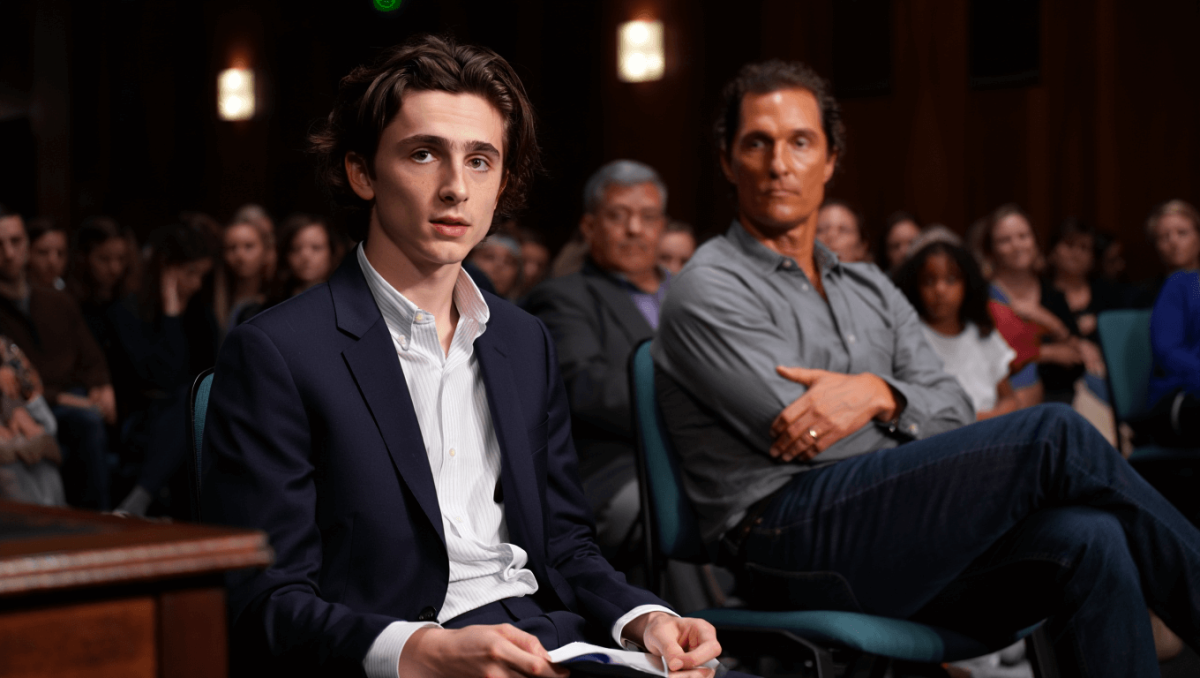
Timothée Chalamet’s offhand remark about ballet and opera has ignited a fierce debate across the arts world. What began as a candid comment during a town hall with Matthew McConaughey quickly drew criticism from singers, dancers and cultural institutions. The exchange has reopened questions about taste, influence and what counts as cultural value in the streaming age.
What Chalamet said at the town hall
At a Variety- and CNN-produced town hall, Chalamet discussed audience habits and box-office attention. He suggested some art forms no longer draw broad interest.
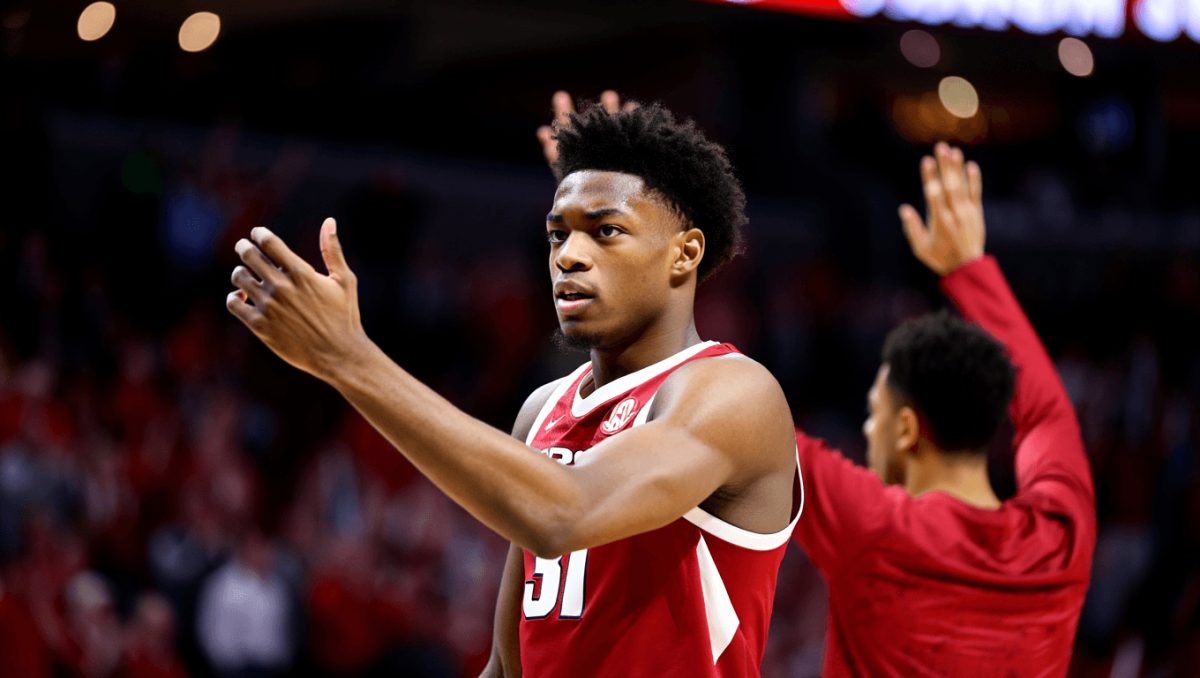
Arkansas’ Darius Acuff Jr. earns rare Kyrie Irving comp from Bill Simmons
Sean Penn awarded Oscar forged from war-damaged Ukrainian train: he skipped the ceremony
Speaking about performance mediums, he described a reluctance to work in ballet or opera if it meant pleading that they be preserved despite alleged low interest. He framed the issue around viewership and cultural momentum, comparing modern hits like Barbie and Oppenheimer as examples of films that can still mobilize audiences.
He also joked about losing “14 cents in viewership,” acknowledging he might be taking cheap shots at fellow artists while discussing how creators respond to shifting public attention.
Immediate backlash from singers and dancers
Classical performers were swift to push back. Several prominent voices used social media to defend their disciplines and to challenge Chalamet’s framing.
- Isabel Leonard, a US opera singer, called the comment narrow-minded and said it revealed more about his attitudes than the arts themselves.
- Deepa Johnny, a Canadian mezzo-soprano, described the take as disappointing and praised the “magic of live theatre, ballet and opera.”
- Seán Tester, an Irish opera singer, argued that the remark confuses popularity with cultural worth.
How artists defended live performance
Respondents emphasized that opera and ballet are living traditions. They noted constant reinterpretation and evolution across generations.
- Many stressed that live performance offers a unique immediacy that recorded media cannot replicate.
- Others pointed to the disciplines’ influence on film, theatre, music and fashion.
Institutional rebuttal: the Royal Ballet and Opera weigh in
The Royal Ballet and Opera issued an official response to the remarks. Their statement framed ballet and opera as interconnected with many creative fields.
The organizations highlighted that these art forms have historically inspired theatre, film and contemporary music. They added that millions around the world continue to engage with live performance, and that ballet and opera have adapted through wars and social change.
Why critics say the comment misses the point
Several critics argued Chalamet’s comment reduced complex cultural practices to popularity metrics.
- They said measuring artistic value by mass appeal overlooks craftsmanship and historical depth.
- Others noted that dismissing a form because it is less mainstream ignores its role as a creative well for other media.
- Some performers suggested the remark reflected a lack of firsthand experience with live works.
Popularity versus cultural legacy
Commentators contrasted viral fame with long-term influence. Films can trend widely, yet other art forms shape aesthetics and techniques across decades.
“Popularity is not the same as cultural value,” many responses insisted, urging for a broader view of how art resonates over time.
Social media reaction and wider cultural debate
The exchange quickly spread across platforms. Fans and critics debated whether celebrities have a responsibility to speak more cautiously about artistic fields.
Some defended Chalamet as expressing a personal preference. Others said public figures with global followings should recognize how statements affect professionals in smaller markets.
Chalamet’s place in awards season and why his words carry weight
Chalamet arrives amid awards season publicity. He is nominated for Best Actor at the 98th Academy Awards for his role in Marty Supreme. The film is also a Best Picture contender.
That platform amplifies comments from stars. Observers noted that when high-profile actors dismiss art forms, it can skew public perceptions about what deserves attention and funding.
Potential fallout for cross-disciplinary collaboration
Critics warned that rhetoric devaluing ballet or opera could discourage collaboration between screen actors and live performers. Many artistic projects rely on cross-pollination.
- Choreographers and composers often work with filmmakers.
- Design, staging and musical ideas migrate between stage and screen.
Voices calling for curiosity over dismissal
Across comments, a recurring theme emerged: an invitation to experience rather than dismiss. Defenders urged audiences and creators to seek live performances before judging their relevance.
Artists emphasized that engagement often changes minds. Many said exposure to one performance can reveal depth missing from brief dismissals.