Show summary Hide summary
- Puerto Rico’s political status: what being a U.S. territory entails
- Why governing sports sometimes treats Puerto Rico like a separate nation
- How WBC and international rules let Puerto Rico field top talent
- Citizenship details: what being a Puerto Rican American actually means
- Why statehood remains a political question in Washington
- Baseball on the island: culture, stars, and the diaspora effect
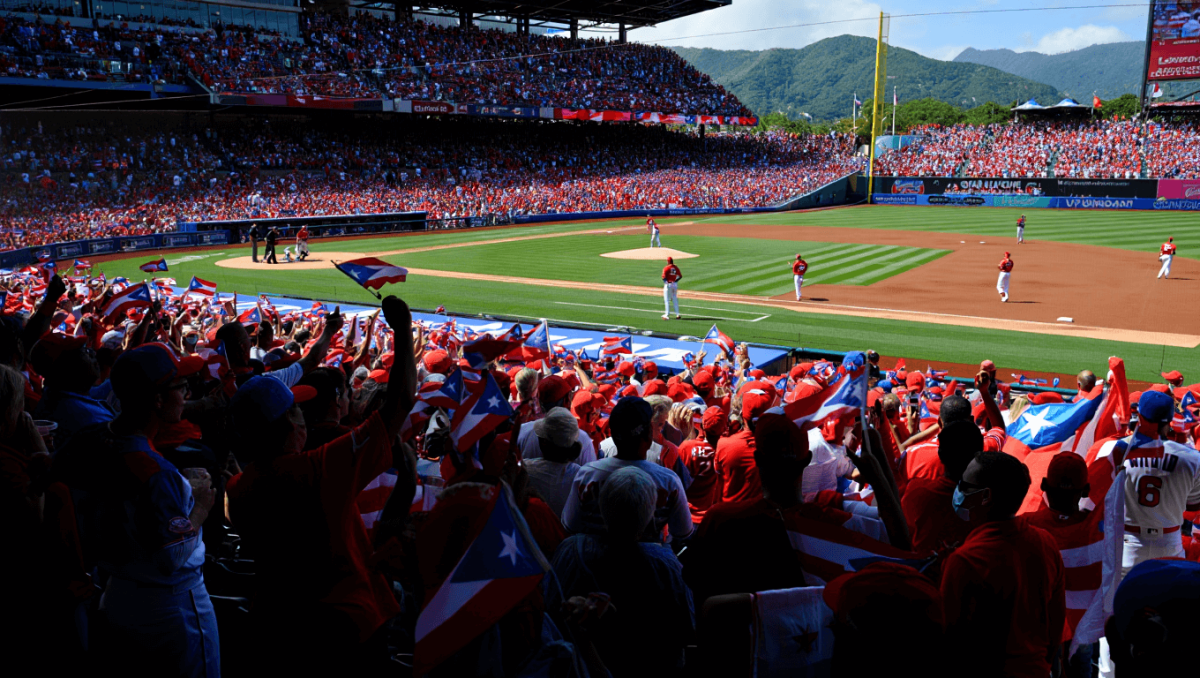
As the 2026 World Baseball Classic arrives in San Juan and Miami, Puerto Rico’s roster — full of big names and hometown favorites — will remind fans that on the field the island competes under its own banner. The sight of stars wearing Puerto Rican colors often prompts a simple but persistent question: how does an American territory play as an independent team on the world stage? The answer mixes law, sport governance, and a deep-rooted baseball tradition.
Puerto Rico’s political status: what being a U.S. territory entails
Puerto Rico is an unincorporated territory of the United States. It operates under U.S. sovereignty but is not a U.S. state.
Euphoria season 3: Sydney Sweeney left off set as feud with Zendaya intensifies
Serena Williams GLP-1 ad sparks backlash: weight-loss commercial called irresponsible and dystopian
The island uses the U.S. dollar, its residents hold U.S. passports, and federal laws apply in many areas. Congress retains ultimate authority over the territory’s affairs.
That status creates a unique blend of connection and separation from the mainland. Puerto Ricans born on the island are American citizens, yet their political rights differ from those of state residents.
Why governing sports sometimes treats Puerto Rico like a separate nation
International sports bodies recognize participants differently than diplomats do. Many federations, including those behind the World Baseball Classic, admit territories with distinct sporting organizations.
Puerto Rico has had its own National Olympic Committee since the mid-20th century. That institutional recognition gives the island the right to enter teams in global competitions.
In short: sports governing bodies value organizational independence over political sovereignty.
How WBC and international rules let Puerto Rico field top talent
The World Baseball Classic and related organizations use flexible eligibility standards. They emphasize heritage and ties, not only passport status.
Who can play for Puerto Rico at the WBC?
- Players born on the island.
- Residents of Puerto Rico.
- Individuals with at least one parent or grandparent born in Puerto Rico.
This approach opens the door to the large Puerto Rican diaspora. MLB stars born in U.S. states often qualify through ancestry or residency, boosting the island’s roster depth.
Eligibility rules bridge culture and lineage, allowing communities to represent their heritage.
Citizenship details: what being a Puerto Rican American actually means
Since legislation passed in 1917, people born in Puerto Rico are U.S. citizens at birth. They receive U.S. passports and federal protections.
However, voting rights depend on residence. Those living on the island cannot cast ballots for U.S. presidential elections and lack voting members in Congress. Move to a state, and full voting rights follow.
Citizenship is universal; political participation varies with location.
Why statehood remains a political question in Washington
Only Congress can admit a new state. Puerto Rico can vote locally on preferences, but a final change requires federal legislation.
Recent local votes have trended toward statehood. In a 2024 referendum, a majority backed becoming a state. Still, congressional debate over political balance and representation has stalled action.
Local leaders continue to press the case, and elections have elevated pro-statehood officials. Despite local support, Washington must act to change the island’s formal status.
Baseball on the island: culture, stars, and the diaspora effect
Baseball is woven into Puerto Rico’s identity. Generations grow up playing the sport, and talent pipelines reach through local leagues into MLB.
- Homegrown coaching and youth programs fuel a steady flow of pros.
- Puerto Rican players in MLB often choose to wear the island’s colors at international events.
- High-profile players bring attention and credibility to the national team.
When players like top relievers and sluggers step onto WBC fields, they carry both personal and cultural connections. That combination helps explain why Puerto Rico competes as a distinct, powerful baseball nation on the world stage.