Show summary Hide summary
New England is moving like a team that expects to contend this season. Small, targeted signings and offseason tweaks have signaled a focus on depth and readiness. After the NFL Combine, mock-draft chatter around the Patriots began to crystallize into clear themes. Analysts now offer ideas about who could slip into New England’s plans at pick No. 31 — and why each option matters for a roster built to win quickly.
What the Combine changed for the Patriots’ draft outlook
The scouting combine sharpened narratives about need and fit. Position groups that once seemed flexible now look like clear priorities. The Patriots’ offseason additions point to a club that wants reliable contributors, not projects.
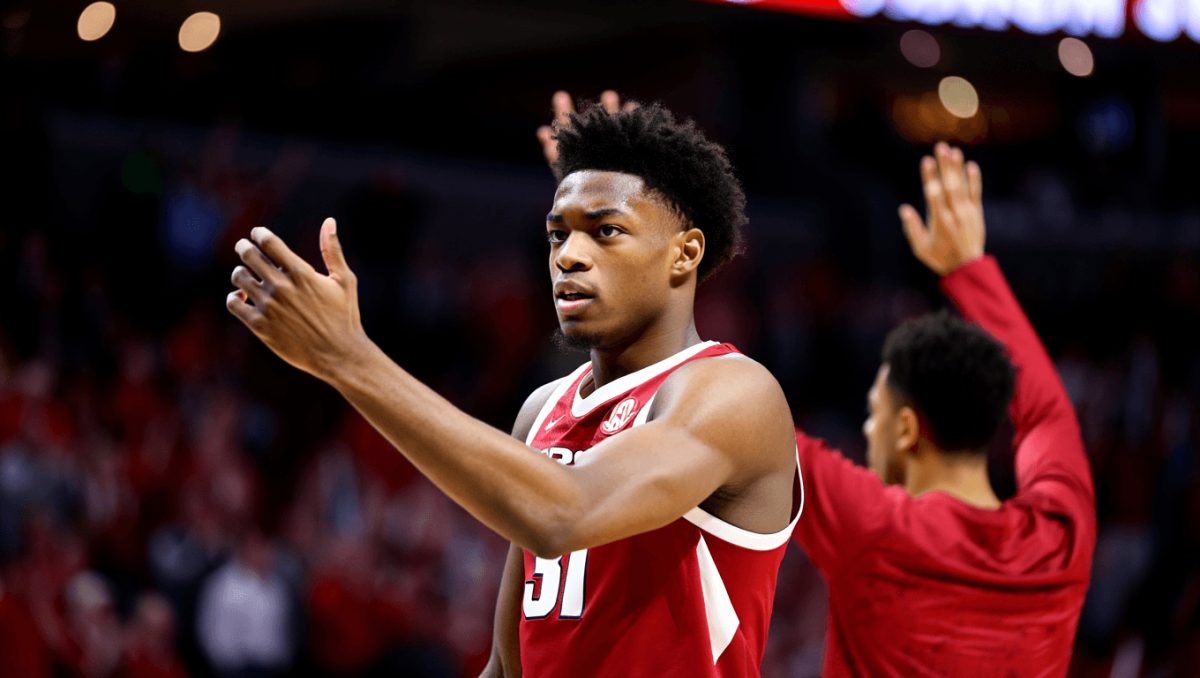
Arkansas’ Darius Acuff Jr. earns rare Kyrie Irving comp from Bill Simmons
Sean Penn awarded Oscar forged from war-damaged Ukrainian train: he skipped the ceremony
- Quarterback support: Backup additions suggest patience while protecting Drake Maye’s development.
- Defensive depth: Early signings on defense indicate the front seven still needs refinement.
- Offensive line planning: Analysts expect New England to target long-term answers, not stopgaps.
Mock targets linked to the Patriots after the Combine
Several prospects keep appearing in mocks for New England. Each name reflects a different strategy: shore up protection, hunt for immediate pass-rush help, add a clean-route receiver, or create mismatches in the middle of the field.
Max Iheanachor — Offensive Tackle (Arizona State)
Tim Crean, ClutchPoints
Iheanachor projects as a classic tackle-for-contenders pick. At nearly 6-foot-6 and 331 pounds, he offers size, length, and Senior Bowl reps that suggest NFL readiness.
- Frame: long arms and power for early snap impact.
- Role fit: could step in at left tackle or allow others to slide inside.
- Why New England: provides a developmental starter to protect Maye’s blind side.
This pick signals investment in stability up front. If the Patriots view their current tackle options as temporary, Iheanachor becomes a sensible first-round choice.
Cashius Howell — Edge Rusher (Texas A&M)
Jordan Reid, ESPN
Howell is a productive pass rusher with a track record of getting to the QB. His 2025 sack numbers put him among the nation’s most effective disruptors.
- Skillset: advanced pass-rush moves and consistent pressure generation.
- Team need: an aging edge rotation and upcoming free-agent departures make depth essential.
- Coaching fit: suits a defensive approach that values structured rush schemes.
Howell’s appeal is immediate playmaking ability. For a team aiming to win now, picking someone who can contribute right away holds clear value.
KC Concepcion — Wide Receiver (Texas A&M)
Lance Zierlein, NFL.com
Concepcion is a slot specialist who creates quick separation and reliable timing with quarterbacks. He offers route precision and after-catch savvy.
- Strengths: instant separation and dependable slot work.
- Fit for Maye: gives the young QB a high-percentage target on intermediate throws.
- Roster impact: adds playmaking without needing a blockbuster trade.
This type of receiver eases pressure on a developing passer. In late first-round territory, a dependable route runner can be as valuable as a high-upside deep threat.
Eli Stowers — Tight End (Vanderbilt)
Tom Fornelli, CBS Sports
Stowers isn’t a power inline blocker, but he creates mismatches as a receiving tight end. He can stress linebackers and safeties in space.
- Use case: motion and matchup-based packages to open the middle of the field.
- Impact: creates options on early downs without abandoning heavy sets.
- Quarterback benefit: opens lanes for intermediate throws and helps third-down conversions.
Stowers is a chess piece for a creative offense. If the Patriots want versatility and schematic flexibility, he provides it.
How each mock pick aligns with New England’s short-term goals
These projections reveal competing philosophies about the best way to keep the team competitive while Maye grows. Choices boil down to protection, pass rush, reliable receiving, or schematic versatility.
- Protect the quarterback: an offensive tackle like Iheanachor supports Maye’s long-term development.
- Pressure the passer: an edge like Howell enhances a defense built to win via consistent rush.
- Improve passing efficiency: a slot receiver such as Concepcion reduces risky throws.
- Create mismatches: a receiving tight end like Stowers forces defensive adjustments.
What New England should prioritize at pick 31
Strategic thinking matters more than the flashiest name. The Patriots face a clear choice between protecting their young QB or bolstering the defense to close games now.
- If the goal is immediate contention, consider players who can contribute Week 1.
- If the plan is sustained development, prioritize long-term linemen or versatile playmakers.
- Safest bets: an edge rusher or a tackle — both address glaring, durable needs.
Yet a receiver pick would signal confidence in Maye’s progress. It would show New England believes he can do more than manage games.
Draft strategy and the narrative going into April
Teams often pivot from mock to reality as meetings and workouts continue. The Combine narrowed the field of plausible fits for the Pats at 31, but the final call will depend on trades and how front-office conversations evolve.
- Expect mocks to keep shifting as pro days and interviews finish.
- Trades could change the board and open new positional opportunities.
- Key factor: whether decision-makers value immediate impact over developmental upside.