Show summary Hide summary
- Spielberg defends live performance at SXSW
- What Chalamet actually said at the town hall
- Official replies from ballet and opera organizations
- Artists speak out: reactions from performers and critics
- Where this leaves Chalamet and the upcoming Oscars
- Conversation around art, audiences and preservation
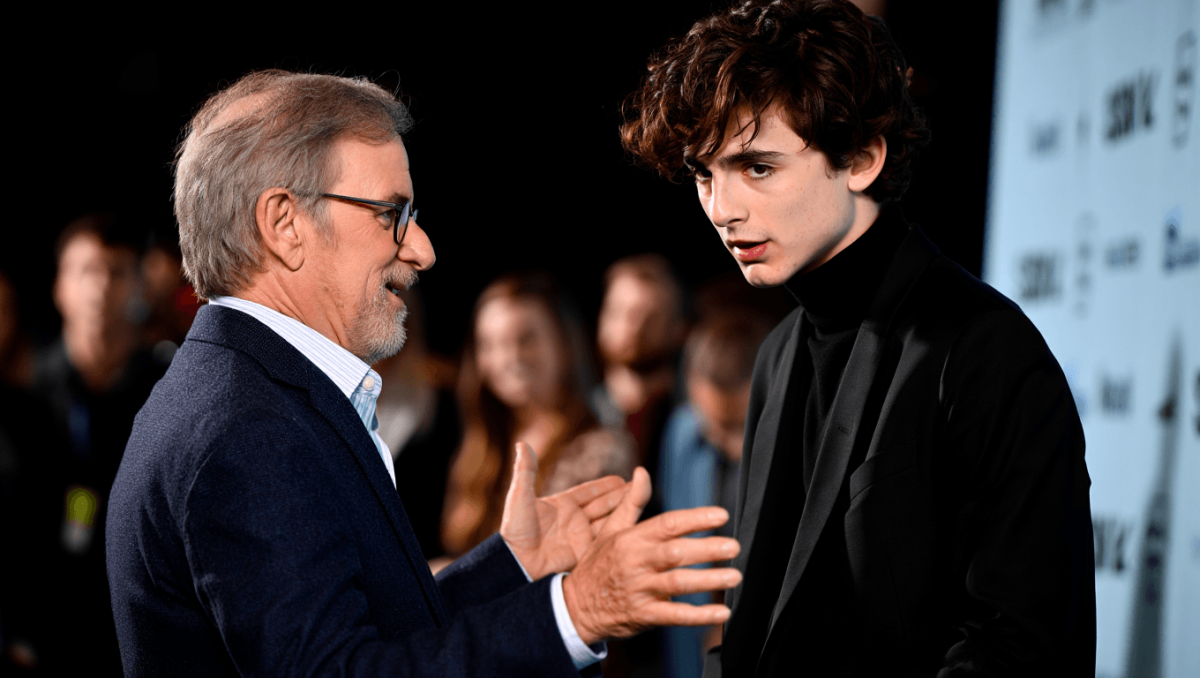
At SXSW, Steven Spielberg pushed back on remarks by Timothée Chalamet about ballet and opera, arguing that live art and cinema both leave audiences changed. His comments reignited a debate over the cultural value of classical performance arts and their place in modern storytelling.
Spielberg defends live performance at SXSW
Speaking at the 2026 SXSW Conference and Festival, Spielberg said live performances and films share a rare emotional binding power.
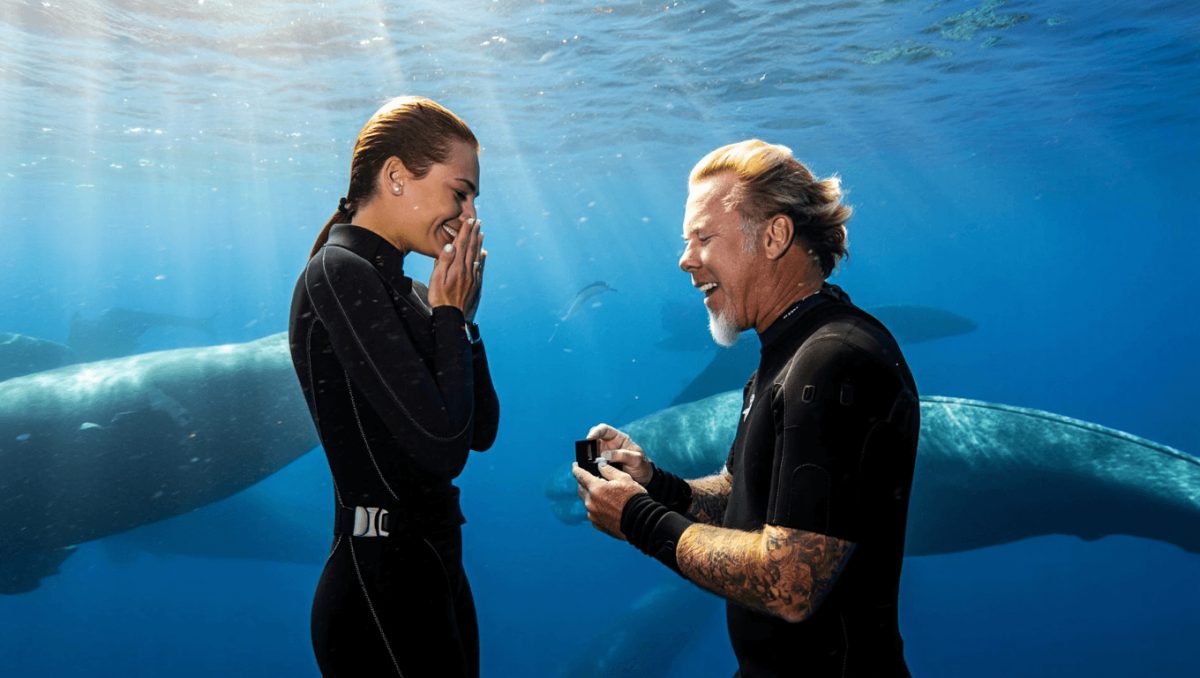
Metallica’s James Hetfield stuns with jaw-dropping proposal to Adriana Gillett
Christina Haack stuns in cream crochet bikini: responds to fourth engagement rumors
He described the moment when an audience files out of a show carrying the same mix of feelings, and underlined the need to preserve that shared experience.
When the crowd applauded, Spielberg noted that such communal reactions are worth protecting and sustaining.
What Chalamet actually said at the town hall
Chalamet sparked controversy weeks earlier during a town hall hosted by Variety and CNN with Matthew McConaughey.
At that event, Chalamet questioned whether some art forms should be kept alive for tradition’s sake, suggesting audiences speak with their attendance. He singled out ballet and opera as examples.
He also attempted to soften the blow with humor, acknowledging he might have cost himself viewers with the remark.
Official replies from ballet and opera organizations
The Royal Ballet and Opera quickly rebutted Chalamet’s comments.
- The organizations emphasized that ballet and opera have long influenced film, theater, fashion and music.
- They argued these art forms remain central to how artists innovate and how audiences encounter culture.
- The statement stressed millions worldwide still attend and engage with ballet and opera.
Artists speak out: reactions from performers and critics
Performers in the classical world voiced disappointment and frustration online.
- Isabel Leonard, a US opera singer, criticized the remarks as narrow-minded and unbecoming of an artist.
- Canadian mezzo-soprano Deepa Johnny called the take “disappointing” and praised the “magic” of live theater.
- Others highlighted the historical role of ballet and opera in shaping modern storytelling and performance.
Why many artists felt compelled to respond
For singers and dancers, the comments hit at a deeper issue: recognition and respect for crafts that demand years of training.
Many argued that dismissing these forms overlooks their cultural reach and influence on contemporary cinema and stage productions.
Where this leaves Chalamet and the upcoming Oscars
Chalamet, 30, did not immediately respond through a representative to requests for comment.
He is currently in the spotlight for an Oscar nomination for Best Actor for his role in the sports drama Marty Supreme.
The exchange has added another layer of attention ahead of the Academy Awards, prompting conversations about artists’ responsibilities when discussing other creative fields.
Conversation around art, audiences and preservation
The episode highlights a recurring cultural question: when should popularity determine artistic worth?
Supporters of classical performance arts argue influence and legacy are not measured solely by ticket sales.
Those on the other side say audience demand should guide how art is funded and promoted.
Key takeaways from the debate
- Community experience: Spielberg emphasized shared emotional impact across art forms.
- Public backlash: Chalamet’s words triggered swift criticism from institutions and artists.
- Ongoing discussion: The dialogue continues about funding, visibility and the role of tradition in contemporary culture.