Show summary Hide summary
- AI resurrection: Val Kilmer returns to the screen
- How the filmmakers recreated Kilmer: methods and safeguards
- Family support and the controversy around digital resurrection
- Production roadblocks: why AI became the solution
- Cast, story beats and historical focus
- Legal and creative permissions that enabled the project
- Val Kilmer’s earlier work with AI and its legacy
- Public reaction and the industry’s next steps
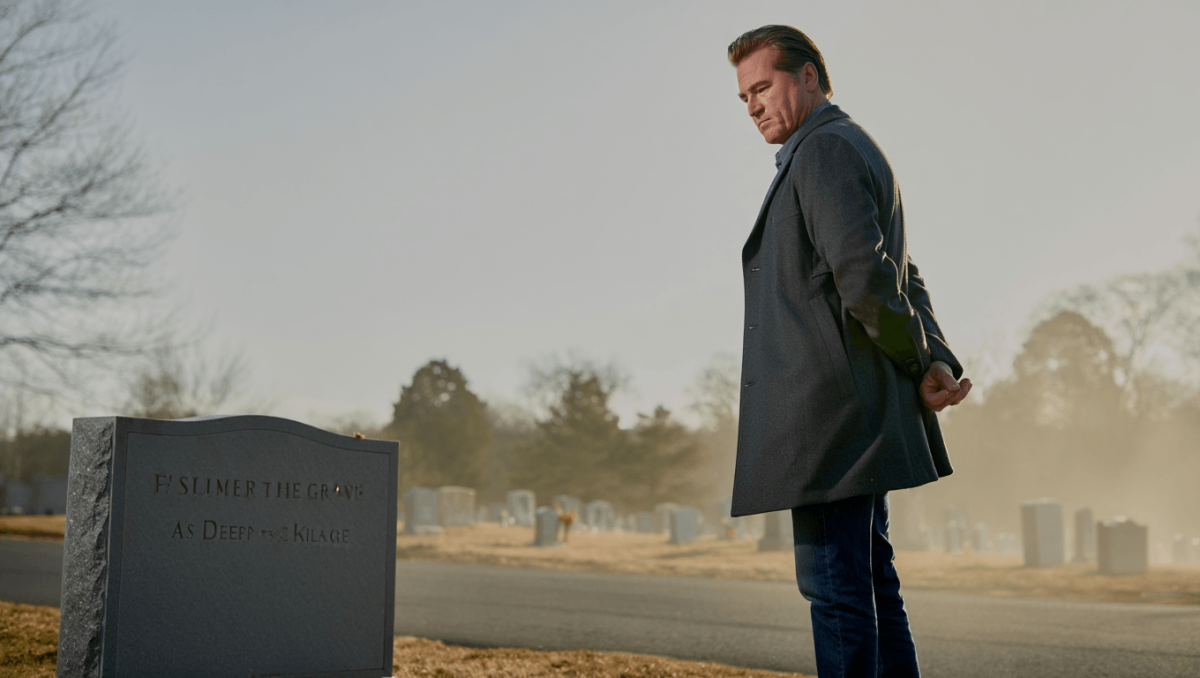
Val Kilmer has been digitally re-created for the new film As Deep as the Grave, a move that blends cutting-edge technology with a sensitive family decision. The revival uses generative AI to place Kilmer in key scenes, a choice the director calls necessary and the actor’s family says he would have supported.
AI resurrection: Val Kilmer returns to the screen
Director Coerte Voorhees elected to use state-of-the-art generative AI to portray Kilmer as Father Fintan in the upcoming drama. Voorhees says the role was written with Kilmer in mind. When Kilmer became unable to shoot because of medical issues, the production explored alternatives.
Euphoria season 3: Sydney Sweeney left off set as feud with Zendaya intensifies
Serena Williams GLP-1 ad sparks backlash: weight-loss commercial called irresponsible and dystopian
The director and creative team ultimately used digitally reconstructed imagery and audio to integrate Kilmer into several sequences. Voorhees framed the choice as both artistic and practical, given the limits of time and money on a smaller production.
How the filmmakers recreated Kilmer: methods and safeguards
The team combined multiple sources to build the digital performance.
- Archival photos and existing film footage provided visual reference.
- Audio clips, some generated from prior AI work, helped shape speech and cadence.
- New visual effects were layered to match lighting and makeup in the new scenes.
Voorhees says the filmmakers received explicit approval from Kilmer’s estate and family before moving forward. They also limited the AI-rendered scenes to preserve the film’s integrity and the actor’s legacy.
Ethical and technical checks
- Clearance from next of kin and estate holders.
- Use of licensed materials only.
- Creative oversight to avoid misrepresentation.
Family support and the controversy around digital resurrection
Kilmer’s children publicly backed the project. His daughter Mercedes described his interest in new storytelling tools. She said Kilmer often embraced technology as a way to expand creative options.
Family consent was central. Voorhees has stressed that endorsements from Kilmer’s relatives shaped his confidence to proceed. That support helped the director respond to critics who call digital resurrections controversial.
Some industry observers worry about precedent and consent when AI recreates a now-deceased performer. Voorhees counters that in this case, the actor and his family saw the film as important to Kilmer’s legacy.
Production roadblocks: why AI became the solution
Filming began in 2020 with Kilmer attached. But health setbacks kept him from completing his scenes. At that point, the team faced two hard limits: a tight schedule and a limited budget.
Voorhees explained the reality plainly: the production could not return to set to re-shoot the role with another actor. Instead, they turned to technology.
- Some Kilmer scenes were cut early for reasons of time and cost.
- Later, the creative team realized the missing character left a significant hole.
- They chose to digitally insert Kilmer to restore narrative coherence.
Cast, story beats and historical focus
Alongside the AI-rendered Kilmer, the cast includes Abigail Lawrie and Tim Felton. The film is rooted in true events and centers on archaeologists Ann and Earl Morris.
The story covers excavations in Arizona and the researchers’ work tracing Navajo history. The filmmakers say the plot explores cultural preservation, academic discovery, and ethical questions around archaeology.
Legal and creative permissions that enabled the project
Voorhees obtained materials from Kilmer’s estate to build the digital likeness. The permissions covered photos, past footage, and audio. These assets were combined under controlled legal terms.
- Estate approval was documented before production used AI likenesses.
- Family members expressed that the project matched Kilmer’s creative spirit.
- The team set internal limits on how Kilmer’s image would be used.
Val Kilmer’s earlier work with AI and its legacy
This is not Kilmer’s first brush with artificial voices and digital tools. In 2021, after surgery affected his speaking voice, he worked with a voice synthesis company to recreate vocal performances. The tech enabled a brief, well-received return in a major studio film.
That earlier collaboration helped normalize the approach for some supporters. For Kilmer’s family, it represented an example of how technology can restore an actor’s work without compromising the person behind the performance.
Public reaction and the industry’s next steps
News of the AI-created Kilmer role drew mixed responses. Some viewers praised the tribute to the actor. Others raised ethical questions about digital likenesses and consent after death.
Industry conversations are now focusing on standards for posthumous portrayals. Key topics include consent, transparency, and creative boundaries. Filmmakers and rights holders are watching closely as this case unfolds.