Show summary Hide summary
Vanderbilt’s placement as a No. 5 seed in the NCAA Tournament surprised many fans and analysts who expected the Commodores to land higher after a memorable SEC run. The team’s late surge and strong advanced metrics left observers asking why the Selection Committee didn’t reward them with a top-four seed.
Why the No. 5 seed feels low to many
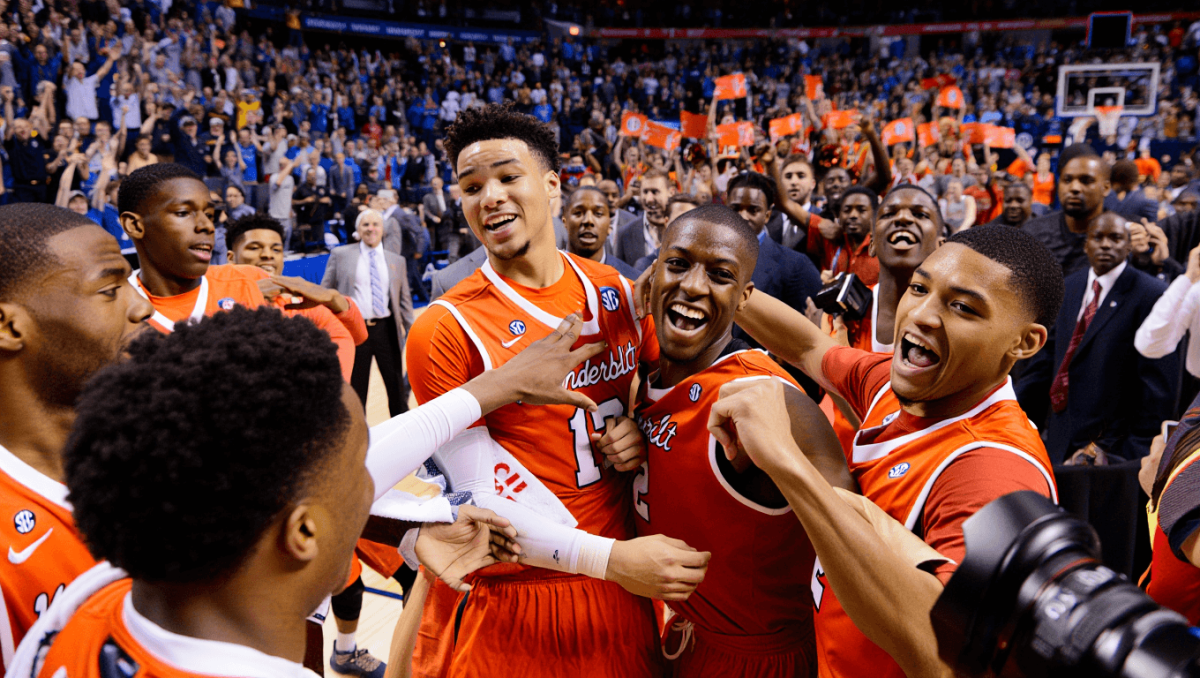
Vanderbilt reached the SEC title game and knocked off a ranked Florida squad en route. That performance, combined with a solid regular season, set expectations for a stronger seed.
Euphoria director reveals which characters face dark endings
MAGA Super Bowl show flops: JD Vance’s hype backfires
- SEC tournament momentum: The Commodores rode an inspired run to the championship game.
- High analytic marks: Several rating systems placed Vanderbilt well inside the top 20.
- Perceived mismatch: Fans and analysts saw a disparity between those metrics and the committee’s seed.
Ranking snapshot vs. seed
Analytics advocates pointed to multiple metrics where Vanderbilt rated highly. Those measures formed the backbone of complaints about the committee’s decision.
- KPI, SOR, WAB, BPI, KP and TRK all showed Vanderbilt among the nation’s better teams.
- The NCAA’s final internal ranking listed Vanderbilt at 17th overall.
- Arkansas was ranked 16th, just ahead of Vanderbilt, yet the committee placed Arkansas a full line above in seeding.
Fan reaction and accusations about committee bias
Reactions on social platforms were swift. Many supporters demanded an explanation and finger-pointed at perceived inside influence.
- Some fans suggested committee connections shaped seeding choices. They specifically mentioned Alabama’s athletic director.
- Others publicly questioned how objective metrics could result in Vanderbilt receiving a five seed.
- Comments ranged from bemused disbelief to calls for transparency from the Selection Committee.
Who the backlash targeted
The conversation zeroed in on the Selection Committee makeup. When committee members have ties to certain conferences or schools, fans often speculate about favoritism.
- Allegations: A few fans named Alabama’s AD as a reason for other teams gaining a higher seed.
- Demand for clarity: Many asked the committee to publish more detail on how final lines were drawn.
How the bracket shapes Vanderbilt’s route in the South Region
Despite the controversy, the bracket gives the Commodores a workable path forward. A five seed still positions them favorably for a deep run.
- Round 1: Vanderbilt opens against McNeese.
- Potential Round 2: The likely second-round opponent is Troy.
- Sweet 16 possibility: If they advance, the Commodores could face Florida again — a team they beat by 17 in the SEC tourney.
Matchups and what to watch
- Defense consistency: Vanderbilt’s ability to limit opponents will matter in early rounds.
- Handling pressure: Tournament play amplifies intensity; turnover control will be key.
- Rematch dynamics: A potential Sweet 16 showdown with a familiar Florida squad could be decisive.
Context: seeding, metrics and small differences
Seeding is rarely a perfect science. Small gaps in metrics or strength of schedule can move a team one line on the bracket.
- KenPom vs. seed: Vanderbilt sits high in KenPom but still ended up as a five.
- Comparative placement: Tennessee, for instance, ranked lower in some metrics but received a different seed.
- One-line swings: A single spot in the committee’s internal list can alter regional lines.