Show summary Hide summary
- Why Barkley put blame on the players
- Allegations of leaks and the ripple effects inside the organization
- What Rivers’ departure really means for the Bucks
- Coaching instability and its impact on the roster
- Giannis Antetokounmpo and the broader franchise questions
- Paths forward: rebuilding culture and restoring trust
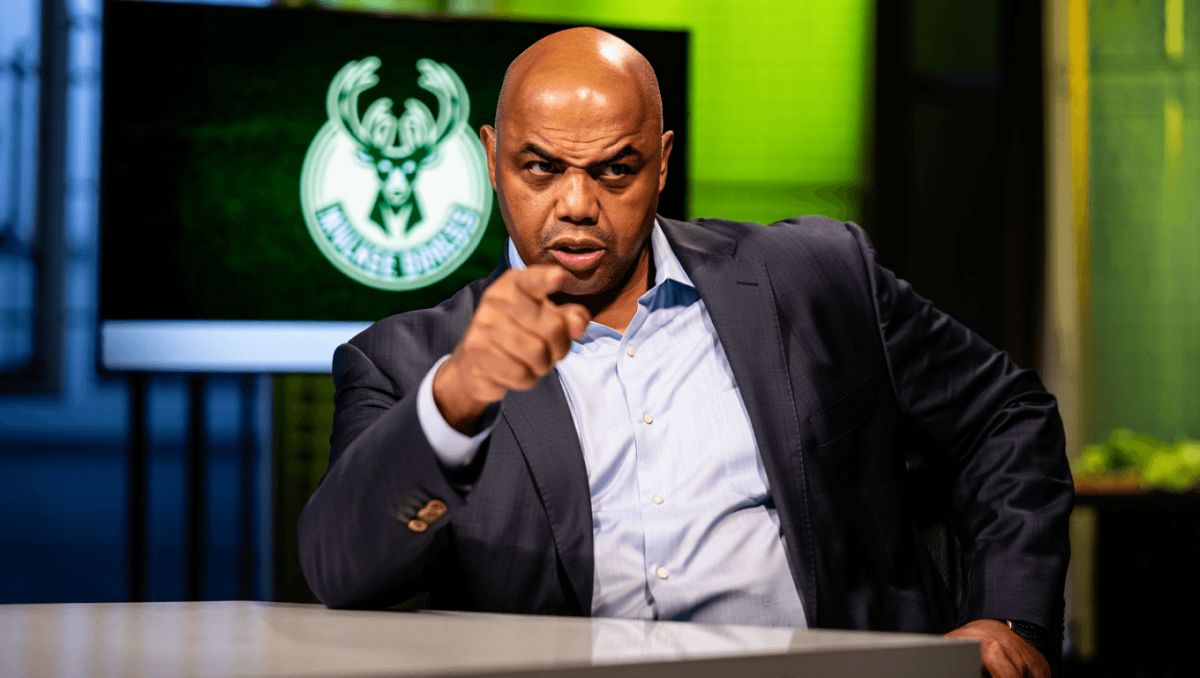
The fallout from the Milwaukee Bucks’ rocky season has taken a new turn, with Charles Barkley publicly blaming players for tearing down team unity after Doc Rivers’ exit. His comments have reignited questions about locker-room trust, franchise leadership, and the direction of a once-dominant team.
Why Barkley put blame on the players
Barkley praised Doc Rivers’ Hall of Fame credentials and urged him to stay in coaching. Yet he drew a stark line when addressing reports that internal meetings were being leaked.
Sophia Laforteza of Katseye announces hiatus: comes months after Manon Bannerman’s exit
Delta to return to Tokyo Narita hub in 2027: 7-year comeback
- Trust under fire: Barkley argued that when private team discussions become public, it signals a breakdown in the basic code teams rely on.
- Public accountability: He suggested the responsibility for protecting a team’s internal conversations rests mainly with players, not just coaches.
- Sharp tone: Barkley used blunt language to describe those he believes betrayed the locker room.
Allegations of leaks and the ripple effects inside the organization
According to reports, Rivers suspected specific individuals of facilitating leaks that exposed confidential meetings. That suspicion appears to have worsened already frayed relationships within the roster.
The disclosure of private discussions creates two immediate problems for any team:
- Loss of cohesion in game-planning and conflict resolution.
- Deterioration of trust between players and coaching staff.
What Rivers’ departure really means for the Bucks
Rivers left after a 32-50 campaign — a rare miss for a franchise accustomed to postseason play. His overall record in Milwaukee ended below .500, and reports say his rapport with some players soured during the year.
Financial and organizational details
- The team remains financially responsible for Rivers’ contract.
- Front-office discussions reportedly include an advisory role as a potential compromise.
Coaching instability and its impact on the roster
This marks the third coaching change in as many years for the Bucks, a churn that can unsettle any franchise. Constant turnover complicates systems, player roles, and long-term planning.
Instability often pressures star players, who must adapt to repeated schematic and cultural shifts. That dynamic becomes especially delicate when a franchise revolves around a generational talent.
Giannis Antetokounmpo and the broader franchise questions
At the center of the debate is Giannis Antetokounmpo. His future with the Bucks has drawn fresh scrutiny amid the turbulence. Stability, clear leadership, and a unified locker room are key to convincing any superstar to stay.
- Retention risk: Ongoing internal strife could prompt questions about long-term commitment.
- Culture reset: New leadership will likely need to address routines, communication, and accountability.
Paths forward: rebuilding culture and restoring trust
Front-office steps to repair the situation could include clearer communication policies, team-wide agreements on confidentiality, and leadership development among players.
Possible next moves:
- Search for a coach who emphasizes culture-building and player buy-in.
- Introduce formal protocols to curb leaks and protect internal dialogue.
- Engage veteran players as internal leaders to bridge divides.
How the Bucks respond now will define the franchise’s next chapter. Management faces a choice between short-term fixes and a deeper cultural overhaul to prevent similar ruptures in the future.