Show summary Hide summary
- Finneas answers a conservative op-ed that told celebrities to stay silent
- What Finneas said and where he said it
- Why this matters: the broader debate over celebrities and politics
- Historical examples of artists shaping politics
- Public reaction: fans, peers, and media weigh in
- How platforms and audiences shape the debate
- Legal and ethical questions behind “stick to performing”
- Where the conversation goes next
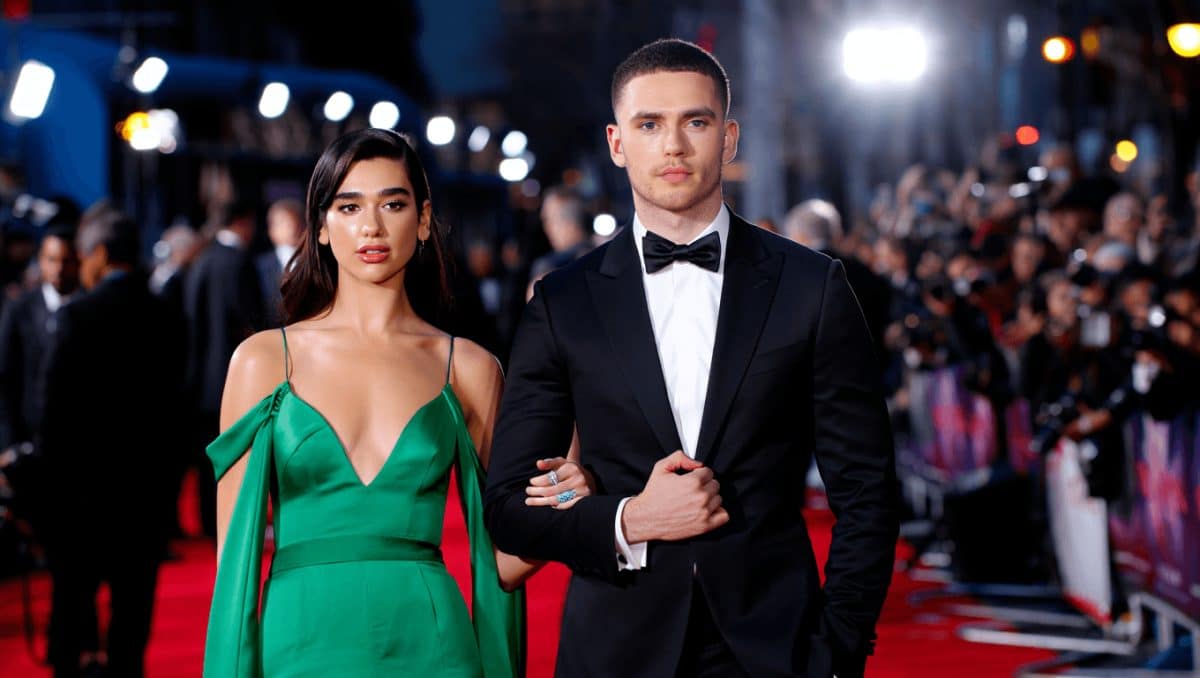
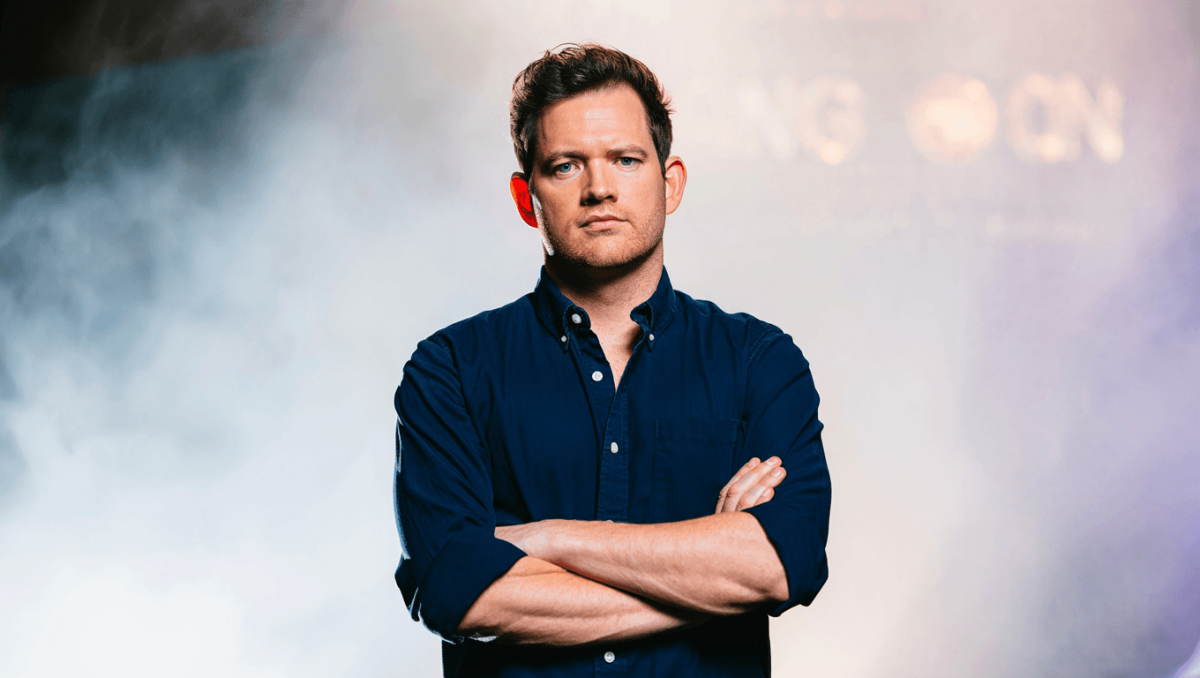
Finneas fired back after a conservative opinion piece urged entertainers to “stick to performing.” His reply, blunt and public, reopened a conversation about artists and political speech.
Finneas answers a conservative op-ed that told celebrities to stay silent
The op-ed argued that artists should avoid politics and let experts handle public matters. Finneas rejected that framing on social media. He called the claim narrow and dismissive of artists’ lived experience.
Sophia Laforteza of Katseye announces hiatus: comes months after Manon Bannerman’s exit
Delta to return to Tokyo Narita hub in 2027: 7-year comeback
He emphasized that fame does not erase the right to comment on civic life. Fans and fellow artists quickly joined the discussion online, turning a single column into a wider debate.
What Finneas said and where he said it
Finneas used social posts to respond. He framed his message around basic democratic principles.
- He pushed back against the idea that public figures are unqualified to express political views.
- He argued that being an artist often involves commenting on social issues.
- He pointed out the practical power of attention and the responsibility that comes with it.
His tone mixed frustration with a clear defense of civic engagement by creators.
Why this matters: the broader debate over celebrities and politics
The clash is part of a long-running argument. Critics claim celebrities are out of touch. Defenders say public figures can raise awareness.
Two sides of the conversation
- Opponents say: celebrities lack expertise and risk polarizing fans.
- Supporters say: artists can highlight injustices and mobilize voters.
Both positions echo through news cycles and social feeds. The Finneas episode shows how quickly a single opinion piece can spark a cultural debate.
Historical examples of artists shaping politics
Art and activism have long intersected. Musicians and actors have supported causes from civil rights to environmental campaigns.
- Singers and bands have performed at benefit concerts to raise money.
- Actors have testified before legislatures or backed policy campaigns.
- Writers and poets have influenced public debate through essays and speeches.
These actions highlight that artistic work and public life are often intertwined.
Public reaction: fans, peers, and media weigh in
After Finneas responded, reactions divided into predictable camps.
- Supporters applauded his willingness to speak out.
- Critics reiterated concerns about celebrities overreaching.
- Neutral commentators focused on the larger issue of platform responsibility.
Several artists echoed his stance, arguing that cultural figures shape conversation simply by being visible.
How platforms and audiences shape the debate
Social media amplifies these clashes. A single post reaches millions in minutes.
- Platforms reward visibility, which can pressure figures to comment.
- Audiences expect celebrities to take stances on major issues.
- Publishers use controversy to drive engagement, widening the debate.
The result is a cycle where opinion pieces, reactions, and counter-reactions feed one another.
Legal and ethical questions behind “stick to performing”
Beyond opinion, there are legal and ethical angles. Free speech protects public statements by artists. Yet audiences debate ethical use of influence.
- Free speech does not shield a speaker from public criticism.
- Fame can create outsized influence, prompting calls for careful messaging.
- Many argue for balance: speak responsibly, but do not silence voices.
Where the conversation goes next
The immediate flare-up around the op-ed and Finneas’ reply is unlikely to end the debate. New op-eds, posts, and interviews will add layers.
What remains clear is that the question of whether artists should speak on politics will keep resurfacing. Supporters of public engagement see it as a civic duty. Critics will continue to question its reach.