Show summary Hide summary
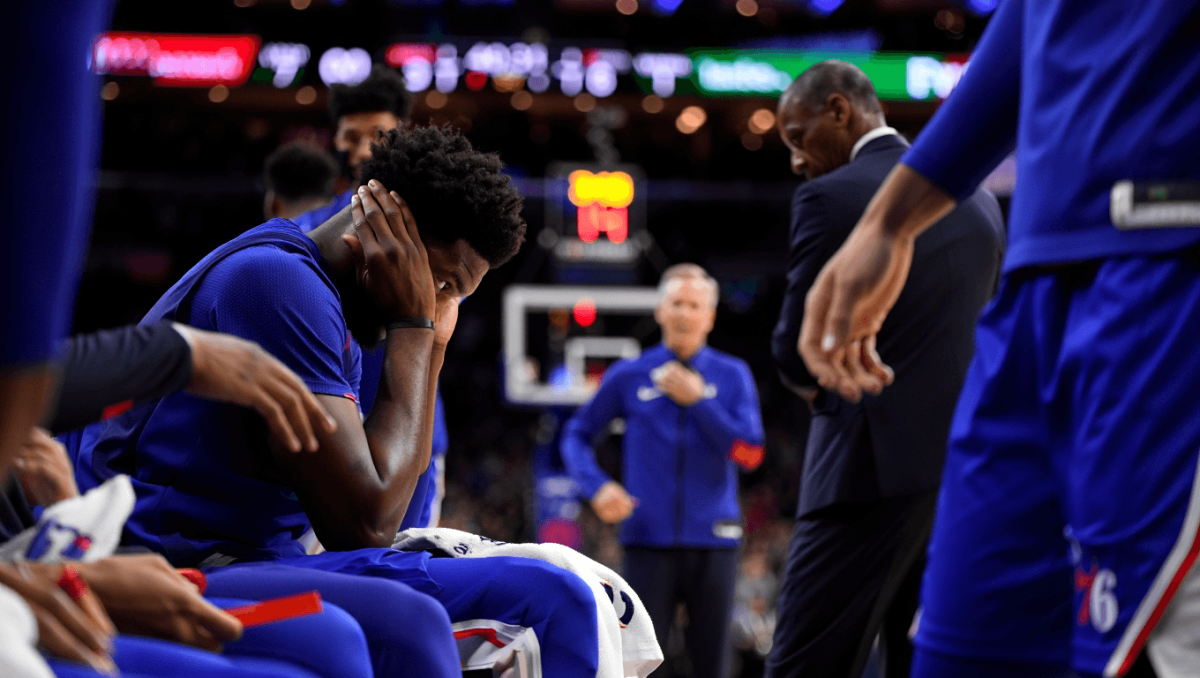
The Philadelphia 76ers’ Game 4 collapse at home was brutal to watch. A brilliant Boston Celtics shooting display and a string of quiet, costly performances from Philly’s role players turned a winnable night into a rout. With the series now at 3-1, questions about effort, execution, and lineup choices are louder than tactics.
How Boston’s perimeter storm broke Philly’s game plan
The Celtics attacked from deep and never let up. Boston hit an avalanche of three-pointers, forcing Philadelphia into constant scramble defense.
Sophia Laforteza of Katseye announces hiatus: comes months after Manon Bannerman’s exit
Delta to return to Tokyo Narita hub in 2027: 7-year comeback
Key drivers of the Celtics’ barrage
- Payton Pritchard connected repeatedly from distance and stretched the defense.
- Jayson Tatum paired scoring with playmaking, creating open looks for teammates.
- Boston’s ball movement and spacing punished Philly’s rotations.
Joel Embiid’s return brought early momentum. But as the Celtics swung the ball, open shooters appeared. Philadelphia’s help defense collapsed to contest Embiid, and the result was generous looks for Boston on the perimeter.
By the fourth quarter, the Celtics were methodical. Philly’s defense looked reactive, not proactive. Every missed rotation and late closeout became another three-point attempt.
Tyrese Maxey’s sluggish start and the cost of passivity
Maxey was expected to be the spark guard who attacks downhill and forces defensive adjustments. Instead, he opened the night subdued.
- He took very few shots early and seldom attacked gaps.
- Without Maxey running the offense aggressively, Boston could more freely funnel defenders to Embiid.
- His scoring later in the game arrived mostly after the outcome was decided.
A superstar-level guard must set the tone in playoff moments. When that urgency is absent, the opponent earns easier strategic choices.
Wings vanished: Kelly Oubre Jr. and the supporting cast miss chances
The Sixers needed secondary scorers to keep Boston honest. Instead, Philly’s wings offered little resistance.
- Kelly Oubre Jr. struggled to produce and could not stretch the defense.
- VJ Edgecombe, inserted for energy, failed to impact spacing or defense.
- Other role players were uneven on both ends, leaving starters to shoulder too much.
Oubre finished with minimal points and a damaging plus-minus. Edgecombe’s aggressiveness led to fouls rather than momentum. When your perimeter options fail, the offense becomes predictable.
Stat-based takeaways and where execution broke down
- Celtics three-point volume overwhelmed Philly’s rotations.
- Defensive communication was inconsistent on switches and closeouts.
- Turnovers and missed early opportunities shifted momentum away from the Sixers.
Small errors compounded. Late rotations, missed contests, and ill-timed fouls gave Boston extra possessions. Those details are why a six-point deficit can quickly become a 30-point blowout.
Coaching decisions, adjustments, and the path forward in the series
Philadelphia faces urgent questions about rotations and who should carry offensive responsibility. Possible adjustments include:
- Increasing Maxey’s early usage to create downhill pressure.
- Reassessing wing minutes to find a credible spacing threat.
- Prioritizing defensive discipline to limit open catch-and-shoot attempts.
Game 5 looms as a must-change moment for the Sixers. Coaches and players will have to decide which habits to fix before Boston arrives again.