Show summary Hide summary
- How a congressional stalemate can ripple through airport checkpoints
- Why travelers could face longer waits this season
- What lawmakers are debating and what’s holding talks up
- Measures airports and TSA may use to cope
- Practical tips for passengers to avoid missing flights
- Signals to watch that warn of worsening delays
- How technology and process changes could help long term
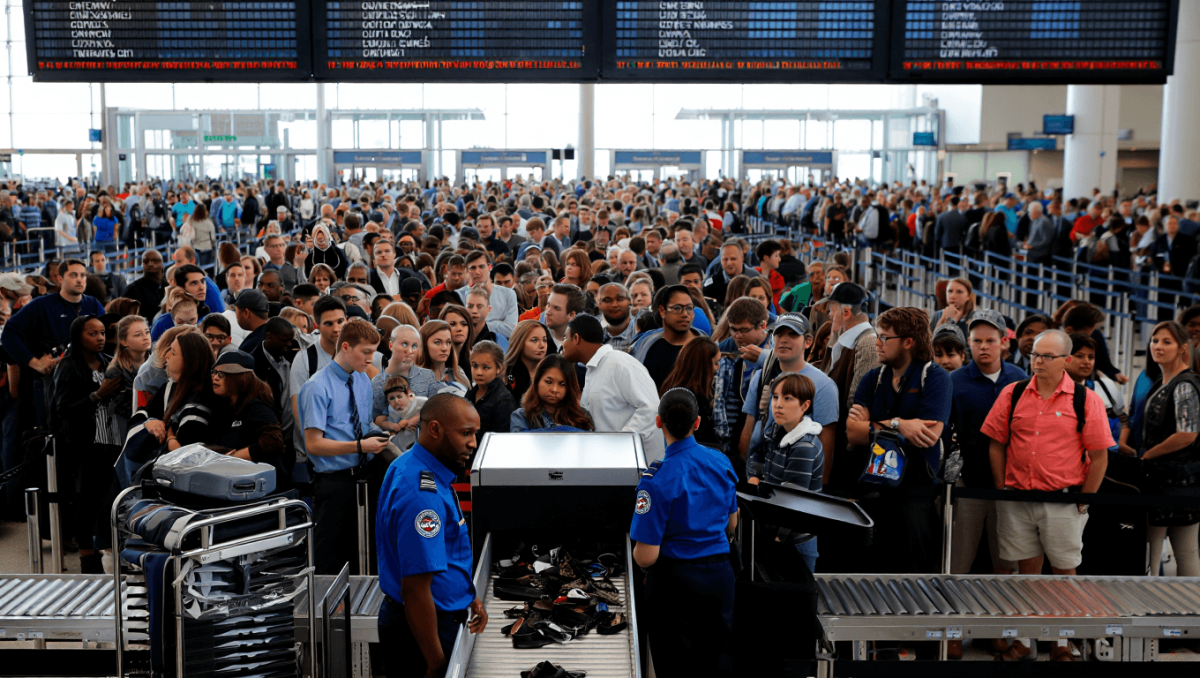
Travelers are bracing for a familiar frustration: longer lines at airport security if lawmakers cannot break a funding impasse. With peak travel days on the horizon, the prospect of reduced screening capacity is rekindling concerns about delays, missed flights and strained airport operations.
How a congressional stalemate can ripple through airport checkpoints
A stalled funding vote in Congress can halt essential spending that keeps Transportation Security Administration operations running smoothly. When budgets lapse, hiring and overtime budgets tighten. That directly affects staffing levels at checkpoint lanes across the country.
Sophia Laforteza of Katseye announces hiatus: comes months after Manon Bannerman’s exit
Delta to return to Tokyo Narita hub in 2027: 7-year comeback
- Overtime cuts shrink the number of officers available during peak hours.
- Contract screeners may face reduced hours or delayed payments.
- Training programs slow down, limiting new hires from filling gaps quickly.
Why travelers could face longer waits this season
Airports operate on thin margins of staffing versus demand. Even a small reduction in screeners can create outsized delays. Peak travel days amplify the effect.
Typical stress points
- Early morning surges when multiple flights depart at once.
- Security re-checks after equipment malfunctions.
- Insufficient staffing during unexpected absenteeism.
What lawmakers are debating and what’s holding talks up
Congress must pass funding measures or a continuing resolution to avoid disruptions. Lawmakers are divided over spending priorities. That gridlock delays final appropriations and heightens the risk of operating shortfalls.
- Negotiations focus on defense, domestic programs and border policy.
- Funding bills often move late in the calendar, compressing planning time.
- Political brinkmanship can leave agencies uncertain about next steps.
Measures airports and TSA may use to cope
Both federal and local authorities have contingency plans to reduce friction if staffing dips. These measures help, but they do not eliminate the problem.
- Reallocating officers to the busiest terminals.
- Temporarily closing lower-traffic checkpoints.
- Increasing use of automated screening lanes where available.
- Requesting volunteers for overtime from nearby airports.
Practical tips for passengers to avoid missing flights
Travelers can reduce their chance of being delayed by planning ahead. These steps make a difference even when lines grow.
- Arrive at the airport earlier than usual, especially during holidays.
- Use trusted traveler programs like TSA PreCheck or Clear where possible.
- Pack carry-on items to speed bin loading and screening.
- Monitor airline alerts and airport advisories before departure.
- Consider traveling during off-peak hours when feasible.
Signals to watch that warn of worsening delays
Certain indicators hint that security lines may grow longer. Keep an eye on these to adjust travel plans quickly.
- Public notices from TSA or airports about reduced lanes.
- Airline advisories urging extra time for check-in and security.
- Local news reports citing increased wait times at major hubs.
How technology and process changes could help long term
Investments in automation and smarter queue management aim to mitigate future impacts. But these upgrades take time and sustained funding to implement.
- More automated screening lanes shorten manual processing time.
- Improved staffing analytics predict demand and schedule officers more precisely.
- Expanded pre-screening programs reduce load at primary checkpoints.