Show summary Hide summary
- Southwest expands service to Las Vegas and Orlando to meet demand
- What this means for Las Vegas: rebuilding leisure connectivity
- Orlando receives fresh capacity to support rebound travel
- Passenger impact: fares, options, and booking flexibility
- Operational moves behind the expansion: fleet and crew deployment
- Market consequences and competitive reactions
- Booking outlook and what travelers should monitor
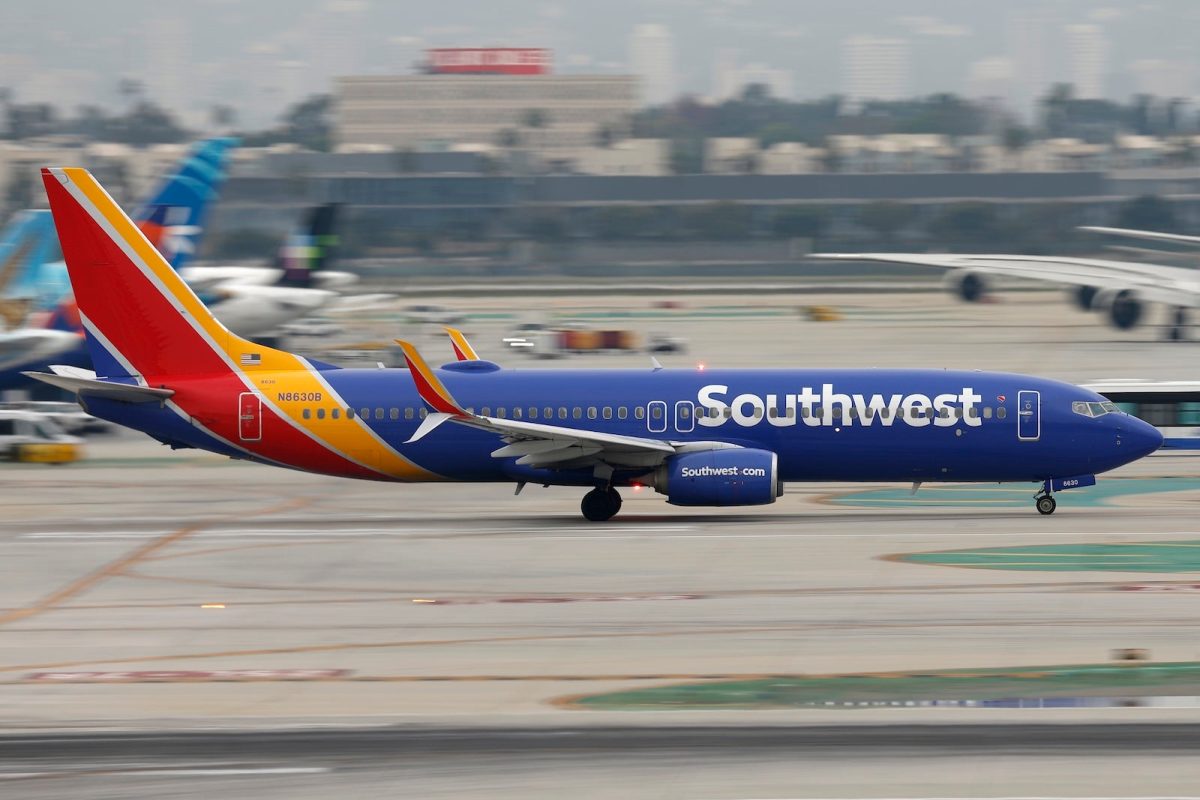
Southwest Airlines is rapidly reshaping its route map in response to Spirit Airlines’ pullback, targeting two of the country’s busiest leisure markets: Las Vegas and Orlando. The carrier has announced a slate of new flights and expanded frequencies to capture travelers left without options, aiming to secure market share and reassure vacationers and business travelers alike.
Southwest expands service to Las Vegas and Orlando to meet demand
In recent weeks, Southwest moved quickly to introduce flights that replace or supplement routes Spirit scaled back. The changes focus on weekend and peak-season demand. Travelers can expect more nonstop options to both cities from a range of origin airports.
Vacation spots worth every penny: 12 trips to splurge on now
Pumpkin spice at Starbucks: 6 easy ways to get more for your money
New routes and increased frequencies
- Southwest has added nonstop services from multiple secondary and primary hubs to Orlando and Las Vegas.
- Frequency increases are concentrated on high-demand days and holiday weekends.
- Some flights mirror former Spirit schedules, easing connections for stranded passengers.
What this means for Las Vegas: rebuilding leisure connectivity
Las Vegas relies on strong airline access to feed its hotels, casinos, and entertainment venues. Southwest’s move helps restore capacity lost when Spirit reduced operations.
- More nonstop options: Visitors now have additional direct flights from regional cities.
- Weekend service boost: Airlines are prioritizing Friday and Sunday departures.
- Airports are seeing a smoother ramp-up because Southwest already operates hubs nearby.
Local airport logistics
Terminal space and gate assignments were adjusted to fit the new flights. Southwest coordinated with airport authorities to minimize delays and streamline passenger flows.
Orlando receives fresh capacity to support rebound travel
Orlando, a vital tourism engine with theme parks and convention traffic, benefited from Southwest’s redeployment. The carrier targeted routes that feed leisure travelers and families.
- Southwest prioritized flights timed for morning arrivals and evening returns.
- Connections to resort areas improved, reducing multi-leg itineraries for many visitors.
- Airlines are watching booking trends closely to tweak schedules quickly.
Seasonal timing and events
Flight additions align with school breaks, conferences, and major entertainment events. Southwest expects demand spikes and has adjusted capacity accordingly.
Passenger impact: fares, options, and booking flexibility
Travelers may see more competitive pricing and better schedules as Southwest moves into vacated slots. The airline emphasizes flexible change policies to attract cautious bookers.
- More seats, more choice: Additional flights reduce the likelihood of sold-out itineraries.
- Fare pressure: Increased competition can push down prices on popular routes.
- Customers can benefit from Southwest’s free checked bags policy on many flights.
Tips for travelers
- Book early for peak dates; new schedules can fill fast.
- Compare nonstop options to avoid long layovers.
- Watch for promotional fares as carriers respond to capacity shifts.
Operational moves behind the expansion: fleet and crew deployment
To support the new flights, Southwest shifted aircraft and adjusted crew rosters. The carrier leaned on its existing Boeing 737 fleet to add frequencies quickly.
- Aircraft reallocations prioritized aircraft already positioned near the targeted markets.
- Southwest coordinated training and staffing to meet regulatory requirements for new schedules.
- Turnaround times and gate assignments were optimized to keep operations punctual.
Airport partnerships and slot management
Securing gates and takeoff slots required negotiations with airport operators. Southwest worked to ensure continuity for travelers and avoid bottlenecks during busy periods.
Market consequences and competitive reactions
Southwest’s expansion is prompting responses across the low-cost carrier segment. Competitors are weighing matching capacity or adjusting fares to protect routes.
- Other carriers may increase frequencies on overlapping routes.
- Smaller airlines could seek niche markets left under-served by the larger players.
- Industry watchers expect a short-term shuffle in market share as carriers settle new schedules.
Broader industry signals
The move signals how quickly carriers can pivot when a peer reduces service. It underscores the importance of flexible planning in a volatile travel market.
Booking outlook and what travelers should monitor
Passengers planning trips to Las Vegas or Orlando should monitor schedules and fare trends in the weeks following these changes. Airlines often update timetables and add flights as demand clarifies.
- Set fare alerts to catch promotional pricing.
- Confirm baggage and change policies before finalizing bookings.
- Check flight status closer to departure to avoid last-minute changes.