Show summary Hide summary
Anne Hathaway, Meryl Streep and Emily Blunt have reunited for the long-awaited follow-up to The Devil Wears Prada — and insiders say their paychecks reflect the star power. New reporting reveals the three leads negotiated identical upfront fees and potential bonus payouts tied to the sequel’s strong box office performance.
Equal pay for the trio: how the deal worked
Sources tell Variety the three actresses struck a “favored nations” agreement with 20th Century Studios. That arrangement guaranteed that each would receive the same base salary.
Sophia Laforteza of Katseye announces hiatus: comes months after Manon Bannerman’s exit
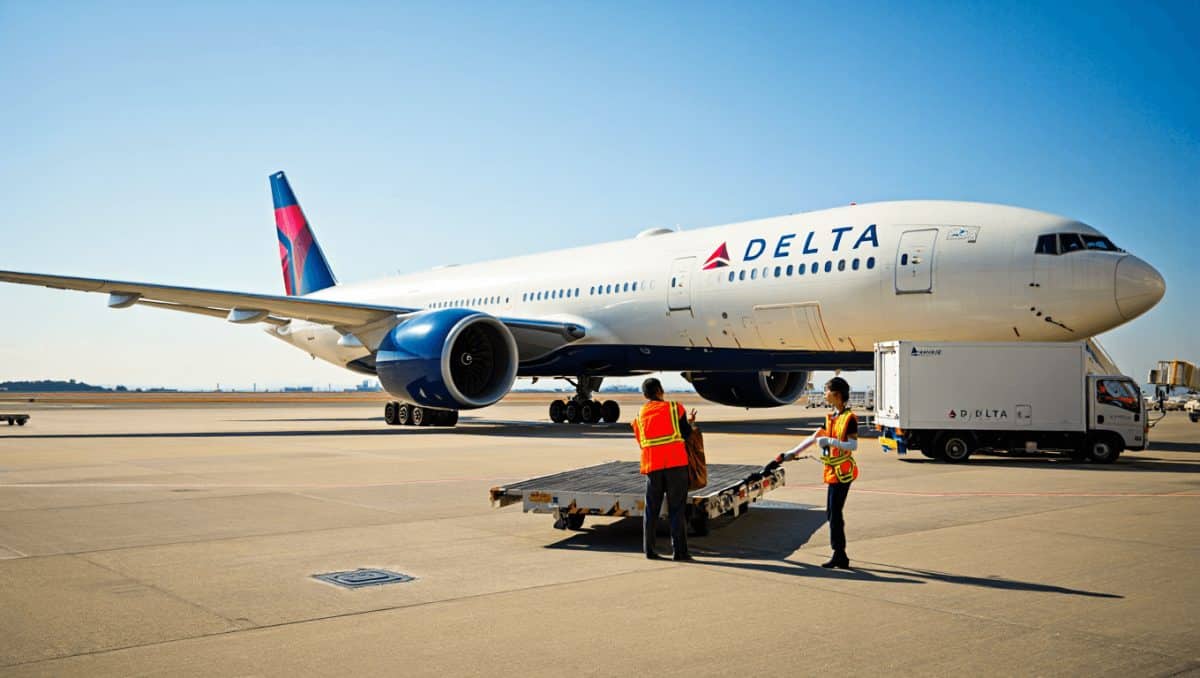
Delta to return to Tokyo Narita hub in 2027: 7-year comeback
- Each of the three reportedly earned $12.5 million up front.
- The parity clause ensured no one made more than the others under the initial terms.
This approach is unusual for high-profile sequels, where billing and compensation often vary sharply among co-stars.
Bonuses tied to box office success
The actresses did not leave potential earnings on the table. Their contracts reportedly include bonus incentives linked to ticket sales.
Reported upside
- Early reports suggest an additional pool of roughly $20 million could be distributed if the film sustains its theatrical momentum.
- Those payouts would be in addition to the $12.5 million base fees.
The sequel, which debuted in early May, has already performed strongly worldwide. Industry trackers put the global gross near $433 million, a figure that increases the likelihood of bonus triggers.
Why Streep accepted equal pay
Veteran actress Meryl Streep could have negotiated a larger fee on her own. According to sources, she opted for parity to make sure her co-stars benefited equally.
Industry observers say that choice reflects both her clout and a collaborative spirit aimed at keeping the core cast intact for the project.
Who returned and what that meant for the film
- Meryl Streep returned as fashion titan Miranda Priestly.
- Anne Hathaway reprised Andy Sachs, the journalist-turned-fashion-editor figure.
- Emily Blunt came back as Emily Charlton, the sharp assistant character.
- Stanley Tucci also rejoined as Nigel, rounding out the original ensemble.
The reunion of principal players helped drive audience interest. Fans of the 2006 original appeared eager to see how the characters reconnect two decades later.
Reflections on the original and the casting choices
Streep has previously shared that she initially pushed back on the Miranda role in 2006. She finally accepted after renegotiating the offer.
Cast members have spoken warmly about working together again. Hathaway described the set as both demanding and joyful. She praised her co-stars’ professionalism and quick humor, particularly noting Streep’s continual drive to expand her performances.
Financial context and franchise impact
The 2006 film had a relatively modest production budget and delivered strong returns, grossing over $326 million worldwide. That success helped cement its place in popular culture.
Producers and the studio clearly saw opportunity in revisiting the story now. The combination of recognizable stars and nostalgia has proven lucrative so far.
What comes next for the cast and studio
- Bonus payouts depend on continued box office strength and ancillary revenue.
- Publicists for the actors had not commented publicly at the time of the reporting.
- Box office trends in coming weeks will determine whether the additional $20 million is paid, according to people familiar with the deals.