Show summary Hide summary
- What United’s return means for travel between the US and Venezuela
- Why airlines stepped away — and why they’re coming back
- Practical impacts for passengers and the Venezuelan diaspora
- What to check before booking a flight to Venezuela
- Operational challenges airlines still face
- Industry response and broader implications for regional aviation
- How this fits into the broader US–Venezuela relationship
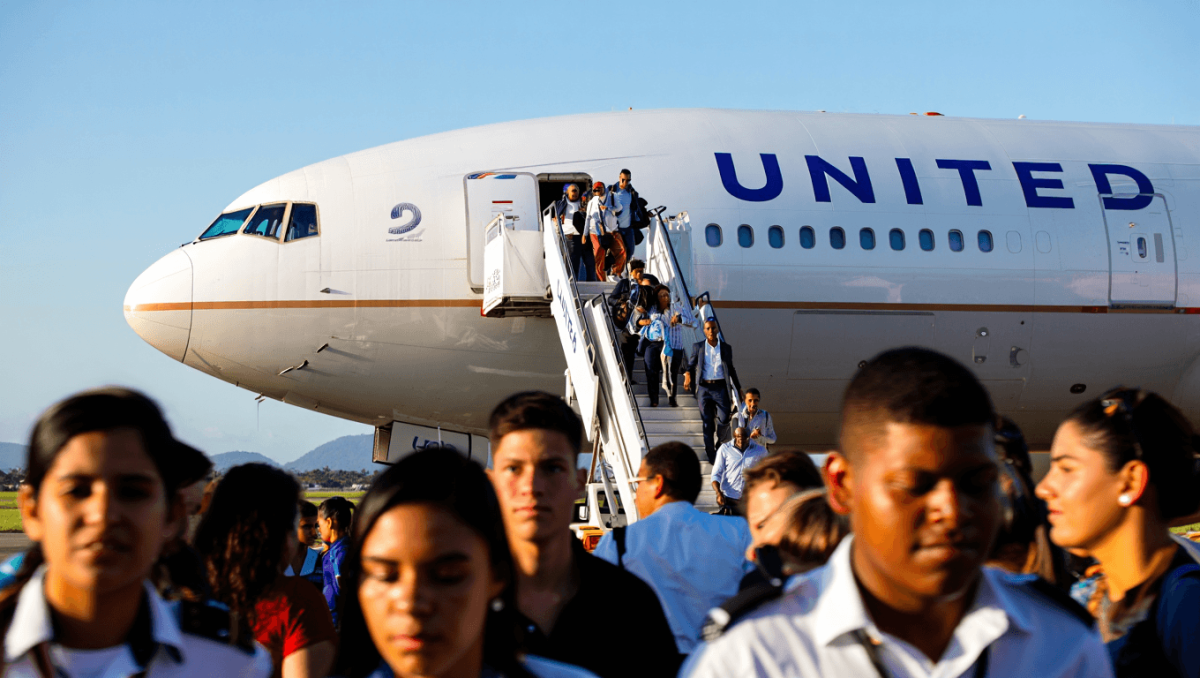
United Airlines’ decision to restart flights to Venezuela marks a notable shift in U.S.-Venezuela air travel, ending a nearly 10-year pause and signaling renewed demand and shifting diplomatic and commercial dynamics. Travelers, industry watchers, and Venezuelan communities with ties abroad are watching closely as scheduled service resumes and connectivity gradually returns.
What United’s return means for travel between the US and Venezuela
United has announced the resumption of scheduled commercial service to Venezuela, making it the second U.S. carrier to restore regular flights after the long hiatus. This move restores a direct link that many families and businesses have lacked for years. The restart is expected to boost passenger options and increase competition on key routes.
Why airlines stepped away — and why they’re coming back
Vacation spots worth every penny: 12 trips to splurge on now
Pumpkin spice at Starbucks: 6 easy ways to get more for your money
- Safety and operational concerns once limited flights and prompted carriers to suspend service.
- Sanctions and diplomatic tensions complicated commercial operations and insurance coverage.
- Shifts in regional diplomacy and market demand have reduced barriers to resuming operations.
- Airlines are now assessing risk differently, driven by passenger demand and revenue opportunities.
Practical impacts for passengers and the Venezuelan diaspora
- More direct options: Travelers may no longer need multi-leg itineraries through third countries.
- Lower fares over time: Competition tends to bring price options and promotions.
- Stronger family connections: Easier travel will help relatives visit more frequently.
- Business travel and cargo routes could support trade and remittances.
What to check before booking a flight to Venezuela
- Review current government travel advisories for safety and entry guidance.
- Confirm passport, visa, and entry requirements with official sources.
- Verify baggage, check-in, and on-board rules with the airline before departure.
- Consider travel insurance that covers medical evacuation and trip interruption.
Operational challenges airlines still face
- Securing overflight permissions and ground handling services can be complex.
- Insurance costs and indemnity arrangements remain important financial factors.
- Currency controls and local logistics may affect ticket sales and on-ground operations.
Industry response and broader implications for regional aviation
Analysts say the return of U.S. carriers can influence other international airlines considering Venezuela. Restored service often signals greater confidence in regional stability and market potential. For airports and local businesses, renewed flights mean potential revenue from tourism and commerce.
Key benefits airports and local economies may see
- Increased passenger throughput and airport fees.
- Growth in hospitality and ground transportation demand.
- Opportunities for cargo services to expand trade channels.
How this fits into the broader US–Venezuela relationship
Commercial aviation often reflects wider diplomatic trends. The return of U.S. airlines can be both a cause and an effect of warming ties. Observers will watch whether expanded connections lead to more regularized trade and people-to-people exchange, or whether disruptions could reintroduce uncertainty.