Show summary Hide summary
- Why weddings are a powerful marketing moment for brands
- How creators map weddings into content campaigns
- Types of brand deals behind wedding content
- Brands seeing measurable lifts from influencer weddings
- Why wedding endorsements carry more weight
- Which parts of the wedding calendar brands target
- How companies large and small are shifting budgets
- Consumer openness and industry momentum
- Best practices for brands entering the wedding space
- What brands and creators are testing next
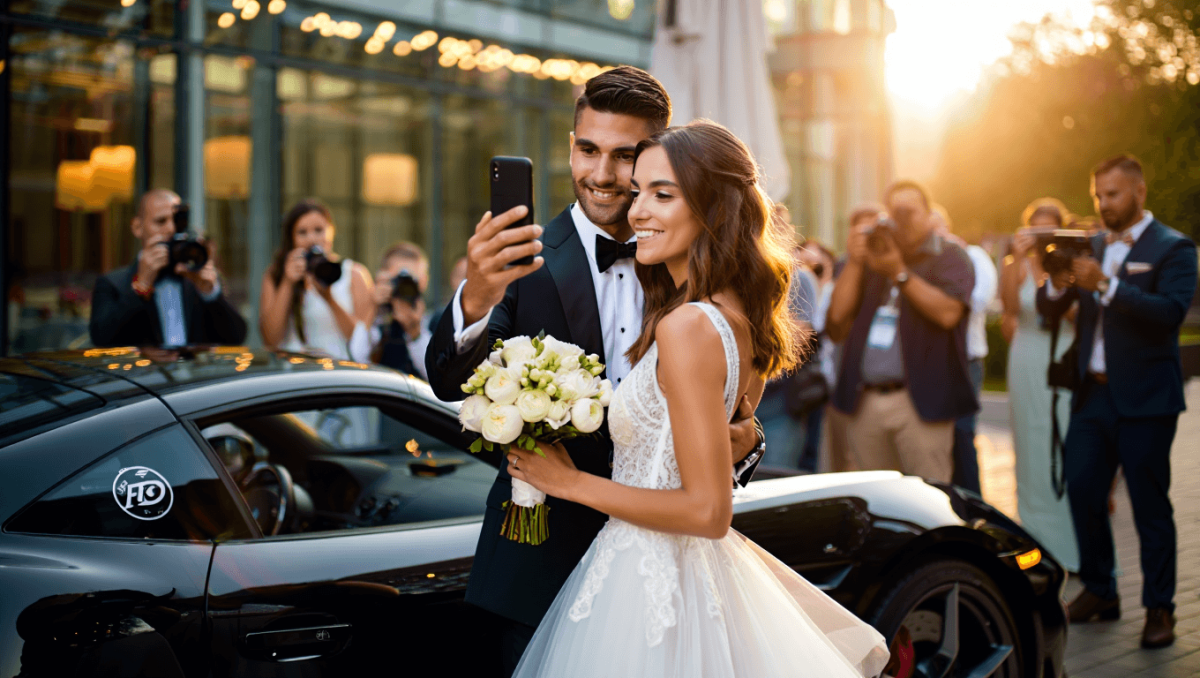
Brand sponsorships have quietly transformed wedding planning into a full-scale marketing play. What once centered on dresses and cakes now fuels multiplatform campaigns, as creators chronicle engagements, fittings and honeymoons for millions of viewers. The result: weddings have become one of the most potent forms of influencer marketing today.
Why weddings are a powerful marketing moment for brands
Weddings connect emotion, ritual and high purchasing intent. Audiences watch closely as couples make once-in-a-lifetime choices. That attention creates a rare window for brands to earn trust and awareness.
Sophia Laforteza of Katseye announces hiatus: comes months after Manon Bannerman’s exit
Delta to return to Tokyo Narita hub in 2027: 7-year comeback
- Long-running content: Planning stretches over months, creating a string of posts rather than a single ad.
- High intent: Viewers often seek product and vendor recommendations during the planning phase.
- Social proof: A creator’s brand choice can sway followers who want similar results.
How creators map weddings into content campaigns
Many influencers now treat wedding prep as a content vertical. They film tests, trials and celebrations and publish them across TikTok, Instagram and YouTube. That steady output multiplies reach and keeps fans engaged.
A case in point: a high-profile creator’s journey
Some creators document every step. One founder with millions of followers is planning a large summer wedding in upstate New York. Her feed covers ring shopping, facials, floral fittings and stationery choices. Brands like jewelers, florists and beauty studios appear throughout the feed.
Types of brand deals behind wedding content
Partnership formats vary widely. Brands choose the structure that fits their budget and goals.
- Barter or gifting: Services or products provided in exchange for posts.
- Paid sponsorships: Traditional influencer campaigns with deliverables and fees.
- Event sponsorships: Brands underwrite bachelorettes, showers or engagement parties.
Beauty studios often offer complimentary treatments tied to wedding content. Florists and stationery companies may trade goods for documented planning posts. Some partnerships evolve from existing customer relationships, which can feel more authentic.
Brands seeing measurable lifts from influencer weddings
Marketers report clear returns when influencer weddings land well with audiences. The format can boost web traffic, store visits and bookings.
- One online florist saw a nearly 50% spike in organic social traffic after a creator posted about an engagement party.
- A beauty startup reported a week-over-week increase of over 3,800% in impressions following a sponsored bachelorette campaign.
- A skin-care studio noted conversion lifts and booking increases that outperformed some paid search channels.
Why wedding endorsements carry more weight
Weddings are seen as major life investments. Followers assume creators vetted products and vendors carefully. That perceived due diligence makes recommendations stick.
- People rarely trust a vendor for their wedding unless they genuinely recommend it.
- Followers preparing their own weddings often look to creators as a trusted source.
- Authentic, ongoing coverage beats one-off product posts for credibility.
Which parts of the wedding calendar brands target
Not every brand aims for the ceremony itself. Many find better traction in adjacent events and prep moments.
- Engagement parties — simpler visuals, high engagement.
- Bridal showers — curated details and gifts perform well.
- Bachelorettes — experiential activations that create shareable moments.
- Pre-wedding beauty and wellness — skin, hair and fitness content ties to bookings.
These smaller occasions can cut through the “visual noise” of a wedding day, letting a brand’s product take center stage.
How companies large and small are shifting budgets
Retailers and service providers are reallocating marketing dollars toward creator-driven wedding content. The change reflects platform performance and audience behavior.
- Some bridal retailers moved a large share of editorial spend to social-first creator partnerships.
- Companies that operate nationally can partner with creators whose audiences are geographically diverse.
- Smaller, local vendors still work with micro-influencers to reach engaged couples in specific markets.
Consumer openness and industry momentum
Public attitudes are changing. A notable share of people getting married would consider sponsorships if they reduce costs. That acceptance gives brands room to propose creative integrations.
Major consumer brands outside wedding verticals have experimented with sponsored ceremonies to reach customers at pivotal life moments. Those stunts add to the normalization of branded weddings.
Best practices for brands entering the wedding space
Successful campaigns balance reach with authenticity. Brands that match creatively and fit naturally into a creator’s story tend to perform better.
- Start with organic relationships. Influence grows from genuine use of a product.
- Design deliverables around real moments, not forced plugs.
- Choose creators whose audiences overlap with your ideal customer profile.
- Track both short-term metrics and longer relationship value.
What brands and creators are testing next
Marketers are experimenting with scale, aiming to turn one wedding into a year-long funnel. Some plan to expand pilot programs into hundreds of creator partnerships annually.
Others are trying hybrids of gifting and paid work to keep authenticity while meeting business goals. The blend of tactics reflects how weddings now sit at the intersection of commerce and personal storytelling.