Show summary Hide summary
- Why the 2026 World Cup is a pivotal moment for Pulisic and the USMNT
- Clint Dempsey’s hard-won lessons on legacy and opportunity
- What the squad must do — practical steps and mental approach
- How development programs connect to big-stage readiness
- Skills off the ball: nutrition, recovery, and daily habits
- From one generation to the next: responsibility and inspiration
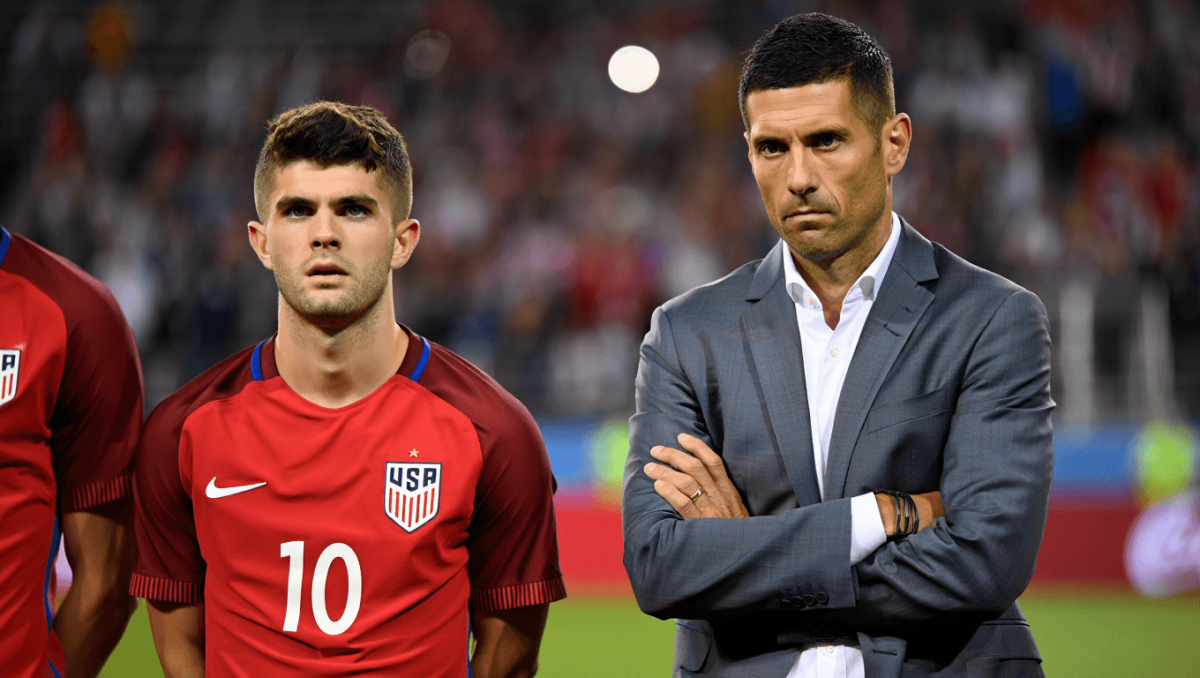
Christian Pulisic arrives at the World Cup cycle with enormous expectations, and few voices understand what is at stake like U.S. soccer icon Clint Dempsey. As the United States prepares for a rare home-stage tournament, Dempsey’s experience offers a clear-eyed view of how a single World Cup can shape a player’s public standing and career narrative.
Why the 2026 World Cup is a pivotal moment for Pulisic and the USMNT
The 2026 tournament brings rare advantages for the United States. Playing across familiar stadiums shortens travel and heightens fan support. It also raises pressure on leaders like Christian Pulisic to prove they can deliver on the biggest stage.
Sophia Laforteza of Katseye announces hiatus: comes months after Manon Bannerman’s exit
Delta to return to Tokyo Narita hub in 2027: 7-year comeback
- Home-field energy can lift team performance.
- Media attention will focus on individual stars.
- Legacy questions intensify for established players.
Dempsey warns that World Cups do more than award medals. They define reputations. He points to moments that elevated his own standing and to the pain of missed chances. For any top player, a standout tournament can cement greatness. A poor showing can be remembered just as long.
Clint Dempsey’s hard-won lessons on legacy and opportunity
Dempsey draws on a long national-team career to explain the stakes. His view is simple: treat every World Cup as if it might be your last. That mindset shaped how he approached matches and how fans later remembered him.
Key career moments that shaped Dempsey’s legacy
- Early World Cup goals that announced him on the global stage.
- Serving as a captain and delivering in opening matches.
- The lasting disappointment of tournaments missed, which still colors public memory.
Those highs and lows, Dempsey believes, show why players must seize World Cup chances. He says opportunities on this platform can launch leagues, alter perceptions, and inspire new generations. For Pulisic and peers, the 2026 event is both a responsibility and a rare window to make history.
What the squad must do — practical steps and mental approach
Dempsey stresses two parallel needs: on-field readiness and mental preparation. He argues neither element can be overlooked.
- Physical preparation: optimal fitness, recovery, and injury prevention.
- Mental focus: treating each match like a decisive audition.
- Team cohesion: clarity in roles and trust among starters and subs.
Players who balance those elements give themselves the best shot at turning tournament buzz into meaningful results. For leaders like Pulisic, the added burden is to elevate teammates and perform consistently when attention is highest.
How development programs connect to big-stage readiness
Beyond national-team training, grassroots and academy experiences set the stage for World Cup success. Clint Dempsey sees a direct line from early exposure to elite coaching and later tournament performance.
Abbott x Real Madrid initiative: a pathway for young talent
Dempsey is partnering with the Abbott program for a second year to spotlight young prospects. The program scouts late-teen players and gives a select few a professional-style immersion in Spain.
- Ages targeted: 18–19-year-olds.
- Tryout cities include major U.S. markets.
- From roughly a thousand hopefuls, about 11 players are chosen to train in Madrid.
- Selected players visit Real Madrid’s academy and facilities on an all-expenses trip.
Dempsey highlights the life-changing potential of that experience. Many participants may be traveling abroad for the first time. Facing elite coaches and new environments tests adaptability and can accelerate growth.
Skills off the ball: nutrition, recovery, and daily habits
World-class performance extends beyond tactics. Dempsey emphasizes habits that often go unseen in highlight reels.
- Nutrition: fuels performance and speeds recovery.
- Sleep and rest: crucial for consistency through a long tournament.
- Sports science and prevention: activations and routines that cut injury risk.
These details become decisive at elite levels. Young players who learn them early gain a competitive edge as they move from youth showcase trips to senior international tournaments.
From one generation to the next: responsibility and inspiration
Dempsey frames his work with youth programs as part of a broader legacy. Helping teenagers access elite training and global exposure is part of building a stronger USMNT pipeline.
- Exposure to top clubs raises aspirational standards.
- Mentorship helps translate opportunity into sustained effort.
- Early international experiences teach resilience under pressure.
For players like Pulisic, the path carved by predecessors and the infrastructure behind young talent will matter. Dempsey’s message is both practical and personal: embrace chances, prepare relentlessly, and remember that World Cups often decide how careers are remembered.