Show summary Hide summary
From glittering cutouts to leather harnesses, Euphoria turned wardrobes into characters of their own. The show reshaped youth style on screen and in the real world. Each costume choice became a viral moment, a retail spike, or a debate about taste and identity. Below, a fresh look at how the series’ clothes evolved across its three seasons and who shaped those bold decisions.
Season One: Teenage Mischief Woven from Vintage and Sparkle
Early episodes felt like a thrift-store fever dream. Outfits mixed high shine with secondhand grit. The aesthetic told stories without many words.
Bronwyn Newport’s mystery man revealed: he’s a married NYC restaurateur
Duncan Sheik cause of death revealed: what killed the barely breathing singer
- Maddy’s bold signature: Coordinated sets, skin-baring silhouettes and statement details that made her instantly memorable.
- Jules’ colorful escape: Layered, anime-tinged looks and playful makeup that signaled her emotional world.
- Kat’s punk transformation: Leather, mesh and corset elements that tracked a shift in confidence and identity.
- Halloween episode: A parade of pop-culture costumes that doubled as character exposition.
Costume choices leaned on unexpected sources: eBay hauls, vintage boutiques and bedazzled accents. The result was a youthful wardrobe that felt both DIY and carefully curated.
Season Two: Moodier Palettes and Designer Hallmarks
The second run moved toward darker textures and a richer designer presence. Clothes became a barometer for character decline and reinvention.
- Rue often retreated into oversized, comfort-first pieces, signaling withdrawal.
- Maddy adopted more vintage designer dresses, refining her image while keeping her edge.
- Cassie’s sweet, girlish sets sparked memes and online obsession.
- One party dress inspired a tidal wave of dupes and a new beauty trend.
Costume direction paired emotional beats with luxury labels more often. Wardrobe choices fed social media conversation and even created real-world shopping queues.
Season Three: Adults-in-Training and Maximum Theatrics
The third season presented characters who had aged but not settled. Clothes grew riskier. Silhouettes got sharper. The drama increased on the day of a pivotal wedding.
- The wedding tableau: Bridal excess, undone corsetry, and outfits that read like power plays.
- Maddy resurfaced in a custom green cutout dress meant to provoke reaction.
- Jules favored near-sheer designer pieces that blurred comfort and spectacle.
- Rue balanced tailored suiting with lived-in sneakers, keeping contradictions on display.
High-fashion items clashed with impractical settings: a costly leather flannel at a construction site, a faux-fur coat by a pool. Those juxtapositions became emblematic of the show’s refusal to choose realism over theatricality.
Costume Creators Who Shaped the Look
Several designers left distinct stamps on the series. Each brought a different lens to costume storytelling.
- Heidi Bivens: Emphasized emotional alignment between outfit and arc in the second season.
- Natasha Newman-Thomas: Took over later and pushed characters into more adult, conversation-starting territory.
- Makeup and hair teams also amplified costumes. Eyeliner shapes and hair color became signature motifs.
These collaborators mixed archival finds with runway pieces. The goal was always narrative clarity through clothes.
Standout Looks That Spurred Trends
Certain garments transcended the show and entered popular culture. They became templates for fast-fashion copies and influencer content.
- Matching two-piece sets with daring cutouts.
- Oversized hoodies as emotional armor.
- Micro dresses paired with exaggerated makeup wings.
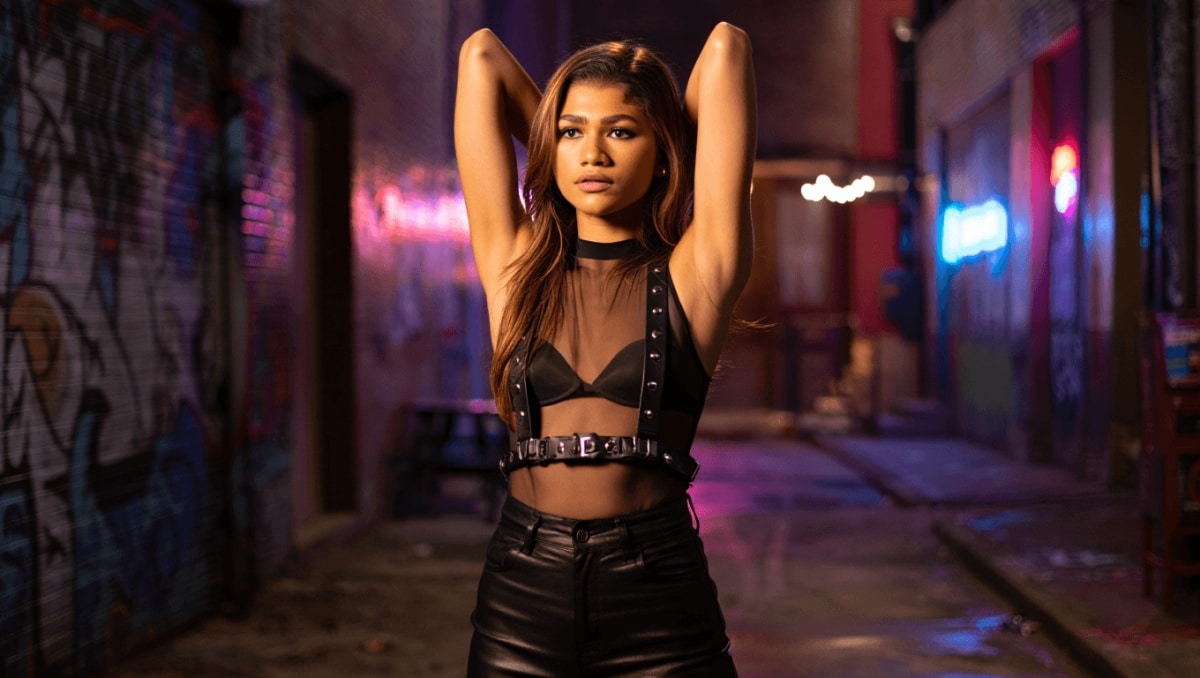
- Punk-inspired harnesses and corsetry used as everyday wear.
These items influenced retail and beauty alike. Replicas sold out. Makeup artists recreated signature eyeliner on millions of feeds.
How the Wardrobe Drove Story
Costumes functioned as shorthand for inner life. A repeating hoodie, a color palette shift or an outlandish accessory all conveyed plot and mood.
- Repetition suggested retreat or obsession.
- Luxury pieces often signaled power plays or aspiration.
- DIY and vintage items showed reinvention and personal history.
Euphoria’s Legacy in Costume Design
The show reset expectations for teen wardrobe drama on screen. It blurred the line between character outfit and cultural phenomenon.
Design choices became industry touchstones. The series inspired designers, stylists and viewers to treat clothing as storytelling fuel.