Show summary Hide summary
- What Southwest passengers will notice first
- Which aircraft will get Starlink and when
- How Starlink changes onboard connectivity
- Installation and certification details
- Costs and passenger access to the connection
- Operational benefits beyond passenger Wi-Fi
- Competition and industry impact
- Limitations and questions still open
- What travelers should do before flying
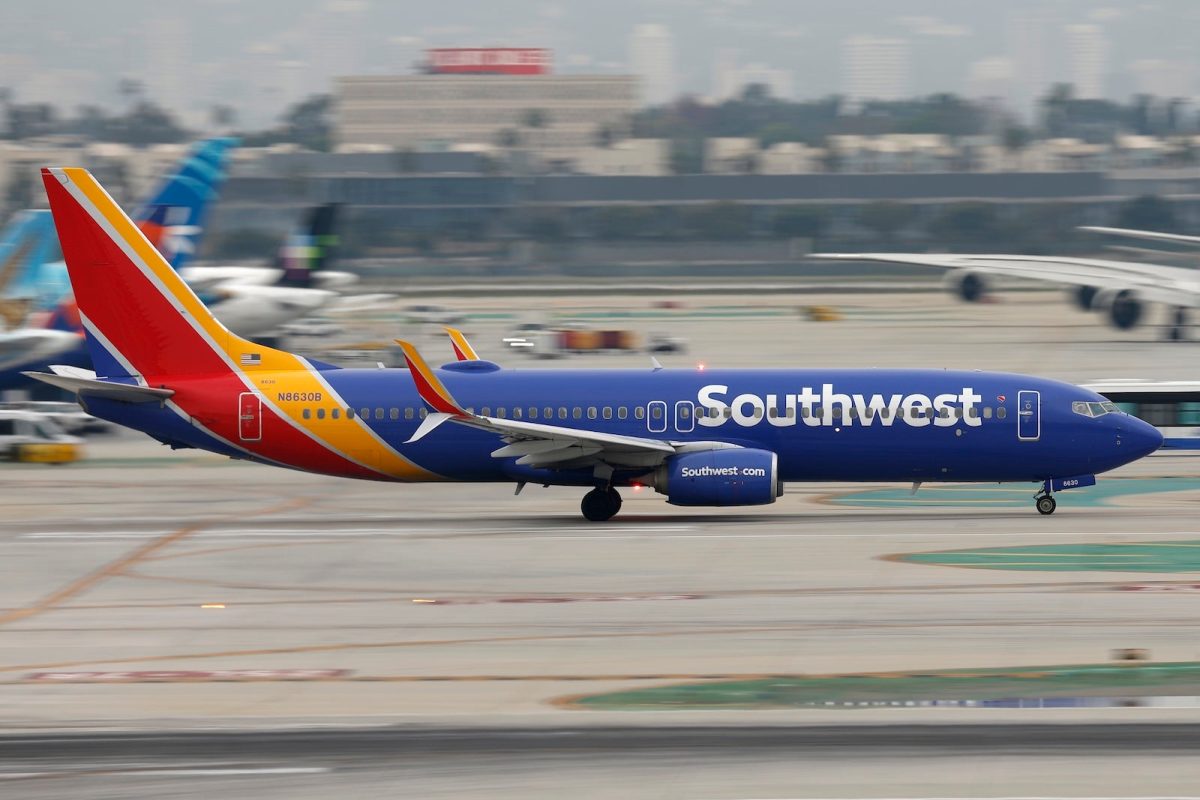
Southwest Airlines is preparing to switch on high-speed Starlink internet across parts of its fleet, promising a faster and more reliable connection for flyers. The move could transform the airline’s in-flight experience, offer new inflight entertainment possibilities, and reshape passenger expectations for connectivity on domestic routes.
What Southwest passengers will notice first
Travelers may see a marked improvement in speeds and fewer dropped connections on flights enabled with Starlink. Expect smoother video calls, faster streaming, and more responsive browsing.
Sophia Laforteza of Katseye announces hiatus: comes months after Manon Bannerman’s exit
Delta to return to Tokyo Narita hub in 2027: 7-year comeback
- Reduced buffering on popular streaming services.
- Higher throughput for multiple devices per passenger.
- Improved access in-flight for work and leisure apps.
Which aircraft will get Starlink and when
Southwest plans a phased rollout across specific Boeing models. Initial installations target aircraft used on busy domestic routes. The airline will expand coverage as certifications and hardware installations progress.
Expected rollout stages
- Testing and certification flights.
- Selective installations on high-traffic planes.
- Network ramp-up and broader deployment.
How Starlink changes onboard connectivity
Starlink uses hundreds of low Earth orbit satellites to deliver high-bandwidth links. That differs from older geostationary systems and boosts speed and latency.
- Low latency for near real-time apps.
- Greater bandwidth for multiple simultaneous users.
- Robust coverage across the continental U.S.
Installation and certification details
Installing satellite antennas on airframes requires FAA and internal approvals. Southwest and SpaceX must pass flight testing and safety checks before full activation.
- Structural integration of Starlink antennas.
- Avionics compatibility verification.
- Regulatory sign-offs and in-service trials.
Costs and passenger access to the connection
Southwest has not confirmed final pricing for passengers. Options may include free basic access, paid premium tiers, or tiered plans similar to other airlines.
- Possible free messaging or limited browsing for all passengers.
- Paid options for full streaming and higher speeds.
- Enterprise access for airline operations and crew use.
Operational benefits beyond passenger Wi-Fi
Starlink can also aid airline operations. Real-time telemetry, faster dispatch communications, and improved weather data access are potential gains.
- Faster crew coordination and scheduling updates.
- Quicker software and map updates for aircraft systems.
- Enhanced ground-to-air logistics and monitoring.
Competition and industry impact
Bringing Starlink onboard puts Southwest alongside carriers adopting next-gen satellite broadband. The move may pressure rivals to upgrade offerings on domestic routes.
- Competitive edge in passenger satisfaction.
- Market pressure on legacy inflight Wi-Fi providers.
- Potential price and service differentiation across airlines.
Limitations and questions still open
Some technical and operational limits remain. Coverage over oceans, interference in certain airspaces, and final pricing policies still need clarity.
- Coverage gaps on transoceanic legs may persist.
- Regulatory constraints in foreign airspace.
- How Southwest will manage network congestion.
What travelers should do before flying
Passengers should check Southwest updates and prepare devices for inflight use. Keep apps updated and consider offline options for long flights.
- Update streaming and video conference apps.
- Download important files or entertainment ahead of time.
- Watch for announcements about pricing and availability per flight.