Show summary Hide summary
- What Ottawa received in the Tkachuk deal
- Management’s rationale: cap room and long-term planning
- Reports: some picks may not stay put
- Draft position and current selection inventory
- How Ottawa might use the picks: prospects or trade chips?
- Potential trade targets and roster fits
- Time pressure: the draft clock is ticking
- What to monitor over the next 48 hours
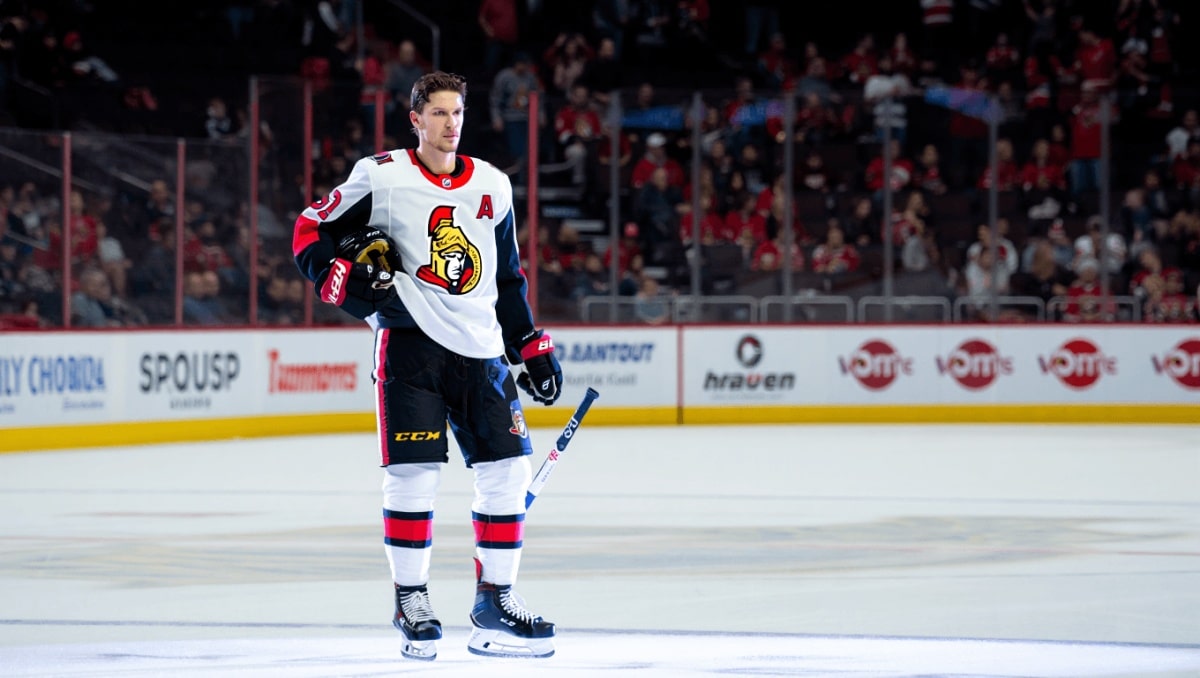
The Ottawa Senators stunned the hockey world by sending Brady Tkachuk to the Florida Panthers, a move that immediately reshaped their salary cap and loaded their prospect cupboard with multiple high-value draft picks. Fans and analysts are now parsing what the Sens will do next, and whether those new selections will be used to draft prospects or flipped for established talent.
What Ottawa received in the Tkachuk deal
The package from Florida delivered the Senators significant draft capital. Key pieces include:
Accor’s MGallery lands US flagship in popular NYC hotel
Sharon Stone lashes out at Sliver movie days after Billy Baldwin’s scathing attack
- Two 2026 first-round picks, one of which the Panthers had just acquired earlier in the day.
- A conditional 2029 first-round selection that adds future flexibility.
- A 2027 second-round pick to deepen their near-term pool of prospects.
That haul gives Ottawa both immediate and long-term options as they reshape the roster and payroll.
Management’s rationale: cap room and long-term planning
General manager Steve Staios framed the move as a deliberate choice for stability and future growth. He stressed the importance of cap space and draft capital in building a competitive team over the coming years. The trade also signals a willingness to pivot away from short-term star retention toward roster flexibility.
Reports: some picks may not stay put
Insiders now say Ottawa might not keep all of the new selections. Sources close to the league report the team is actively marketing at least two of the 2026 first-round picks ahead of the draft.
Interest is reportedly strong for those high selections, according to coverage from TSN and league insiders on social media platforms.
Draft position and current selection inventory
The Senators enter the draft with a deeper selection slate than many clubs. Highlights of their current draft posture:
- Multiple first-round choices in 2026 give Ottawa leverage at the top of the board.
- Several third-round selections offer additional trade currency or developmental options.
- The team also carries a mid-round pick for 2027 and a conditional pick in 2029.
How Ottawa might use the picks: prospects or trade chips?
Two clear paths exist for the Senators. They can:
- Draft high-end prospects to rebuild their pipeline.
- Package picks to acquire an NHL-ready top-six winger.
With the unrestricted free agent market thin on top-six scoring options, the trade route seems plausible. Teams expect Ottawa to target players who can slot alongside Tim Stützle and boost secondary scoring.
Potential trade targets and roster fits
Names already floated include young, high-upside forwards who can step into prominent roles. One player frequently mentioned as a match is Mason McTavish. His skill set aligns with Ottawa’s need for a middle-six or top-six scorer with playoff experience.
- McTavish: size, scoring touch, and youth.
- Other middle-six wingers on the market might fit a shorter-term upgrade plan.
Time pressure: the draft clock is ticking
Any transactions involving those newly acquired picks will need to happen fast. The NHL Draft opens Friday with the first round, creating a tight window for negotiations and final decisions.
What to monitor over the next 48 hours
Key developments that will shape Ottawa’s strategy:
- Whether the Senators trade either of their 2026 first-rounders.
- If a deal materializes to bring a top-six forward to pair with Stützle.
- How Ottawa uses its cap space to pursue players in free agency or via trades.
League sources expect a flurry of calls and proposals as teams assess whether to surrender current NHL talent for draft upside.