Show summary Hide summary
- Why some experts say the Clippers should consider trading Kawhi Leonard
- How the Clippers’ championship window complicates any move
- Realistic return packages the Clippers might seek
- Which teams could realistically pursue Kawhi Leonard?
- Trade timing: deadline, offseason, or rarely used routes
- Assessing the cost: what the Clippers would lose and gain
- Front-office strategy and public perception
- Health and analytics: data that will drive the decision
- Potential timeline and next steps to watch
- Why some scouts and executives call patience a liability
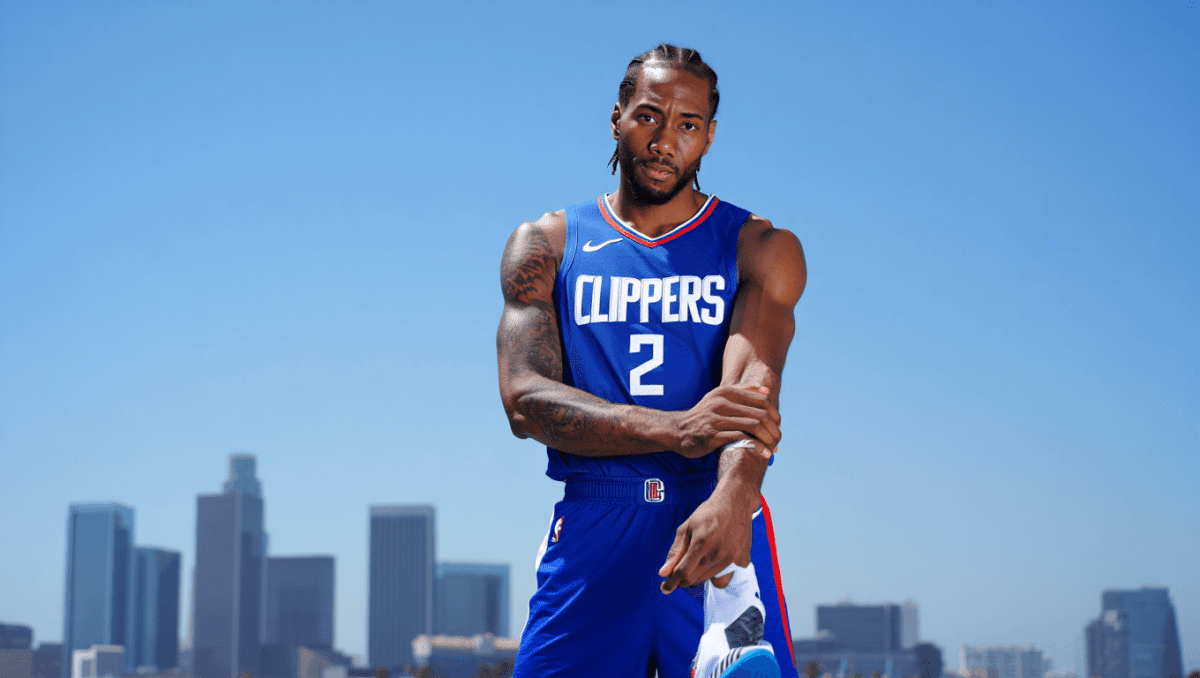
The Los Angeles Clippers sit at a crossroads as new trade chatter intensifies around Kawhi Leonard. An NBA insider argued that keeping him could be unwise if the franchise wants to protect long-term value. The debate now centers on timing, return packages and whether the Clippers should chase another title run or reset around younger assets.
Why some experts say the Clippers should consider trading Kawhi Leonard
Veteran wings with star resumes lose market value quickly once injuries or age become concerns. That reality shapes the argument for dealing Kawhi now.
Accor’s MGallery lands US flagship in popular NYC hotel
Sharon Stone lashes out at Sliver movie days after Billy Baldwin’s scathing attack
- Preserve trade value: An active market yields better offers than late-stage desperation.
- Contract size and remaining years can limit options if the player’s production dips.
- Front offices often prefer to convert a risky asset into multiple controllable pieces.
How the Clippers’ championship window complicates any move
LA faces the classic dilemma: chase one or two more title shots with Kawhi, or take a strategic step back to build depth. Fans and executives are split.
- Keeping Kawhi boosts immediate contender status.
- Trading him could yield young players, picks and salary flexibility.
- Ownership timelines and playoff expectations add pressure on decision-makers.
Realistic return packages the Clippers might seek
Insiders suggest LA should ask for a mix of youth, draft capital and salary relief. The goal: rebuild a scalable core without drowning in short-term risk.
- Young two-way wings with upside who can slot into a new core.
- Future first-round picks, including protected conveyances.
- Contracts that enable cap flexibility or allow the team to chase another star.
Which teams could realistically pursue Kawhi Leonard?
Several contenders would consider a blockbuster, depending on financials and roster fits. Suitors may include deep-pocketed clubs chasing a title now.
- Teams with max-salary room and the willingness to absorb veteran salary.
- Franchises with promising young assets that can be used in a headline trade.
- Organizations prioritizing an immediate upgrade at wing defense and clutch scoring.
Trade timing: deadline, offseason, or rarely used routes
When LA acts will shape the return. Each window has advantages and drawbacks for both sellers and buyers.
- Midseason deals bring urgency and may force buyers to pay a premium.
- Offseason trade markets allow teams to plan cap moves and free-agent strategies.
- Sign-and-trade options can unlock more value if all parties agree.
Assessing the cost: what the Clippers would lose and gain
Any move involving Kawhi changes identity. Decision-makers must weigh short-term title hopes against long-term competitiveness.
- What LA might lose: elite two-way defense, veteran playoff leadership, and a go-to scorer in clutch moments.
- What LA might gain: multiple rotation players, future draft assets, and improved salary flexibility.
Front-office strategy and public perception
How the Clippers present a trade impacts fan reaction and locker-room stability. Executives balance transparency with competitive secrecy.
- Communicating reasons for a trade helps calm fans and players.
- Leaked trade talks can depress market value or complicate negotiations.
Health and analytics: data that will drive the decision
Medical reports and advanced metrics are central. Teams now rely on granular health data and on-court analytics before making big moves.
- Injury history and projected durability profiles matter.
- Performance metrics against elite competition will influence valuation.
Potential timeline and next steps to watch
Expect to see intensified scouting, discreet outreach to likely trade partners, and a quiet internal debate about the club’s future.
- Monitoring trade chatter through right-before-deadline windows.
- Evaluating public and private offers as the offseason approaches.
- Front office meetings to set thresholds for any deal.
What insiders are watching closely
- Which teams are willing to swap young building blocks and protected picks.
- How Kawhi’s health reports trend over the next several months.
- Whether ownership prefers a rapid retool or another full-court push.
Why some scouts and executives call patience a liability
An NBA insider told reporters that waiting could be costly. Assets tied to aging stars often lose market value quickly. That warning is the thrust of the argument urging LA to consider action sooner.