Show summary Hide summary
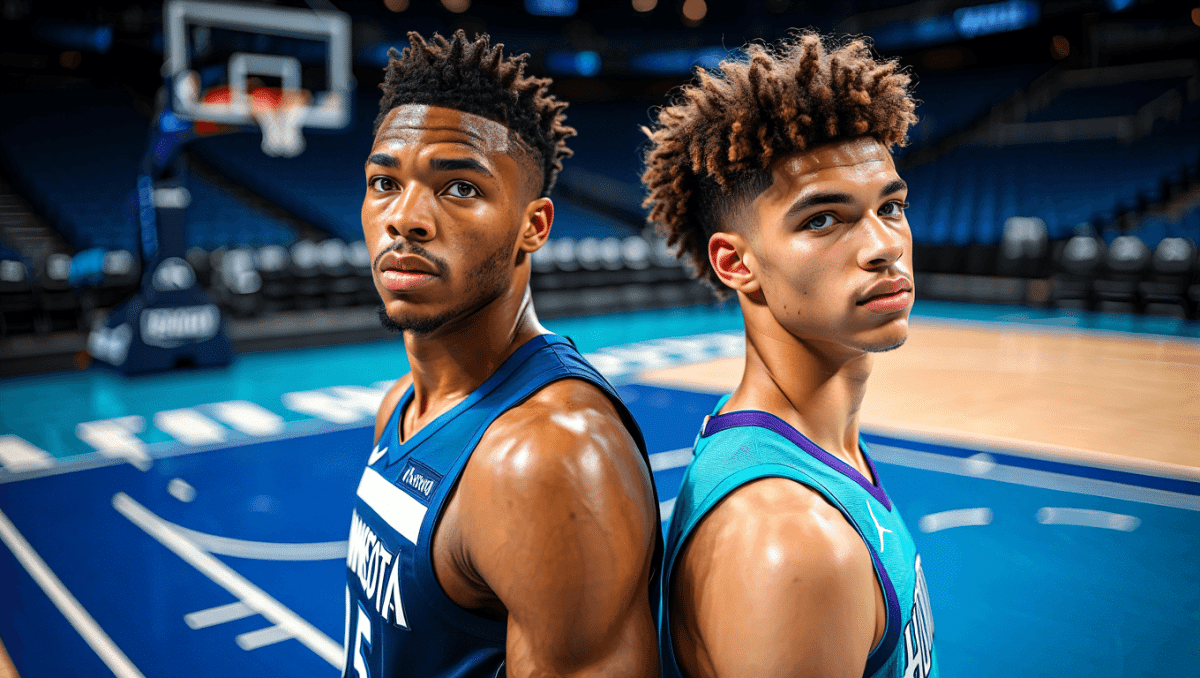
Kendrick Perkins ignited a lively debate when he argued that Anthony Edwards and LaMelo Ball would form the NBA’s most dangerous backcourt. The remark spread quickly across social feeds, fueling trade chatter and fan fever. Beyond the headline, the conversation taps into larger themes: star chemistry, roster construction, and how quickly a single move could reshape title odds.
Why Perkins thinks Edwards and Ball would top NBA backcourts
Perkins pointed to a mix of elite scoring and playmaking that could overwhelm defenders. He emphasized how two dynamic creators could change game plans for opposing teams.
Dolly Parton: the surprising true story behind I will always love you
Miley Cyrus gushes over godmother Dolly Parton: the most loved person on the planet
- Explosive scoring: Edwards brings relentless drive and finishing at the rim.
- High-level playmaking: Ball’s court vision and passing can unlock teammates.
- Star power: Together they would attract defensive focus and create open looks.
How their styles would mesh on offense and defense
Offensive fit: space and creation
Edwards thrives in attack mode, creating his own shot and collapsing defenses. Ball excels in reading rotations and finding scorers. That combination could produce constant ball movement and efficient shot selection.
- Ball’s passing would exploit double-teams on Edwards.
- Edwards’ gravity would open perimeter shots for Ball.
- The pair could run pick-and-rolls and isolation sets effectively.
Defensive questions and potential
Defense is the wild card. Edwards is a strong, improving defender. Ball offers anticipation and disruptive hands but is not a lockdown option.
- Size mismatches could appear against longer guards.
- Team defensive schemes would be needed to cover weaknesses.
- Complementary role players would remain vital.
Trade mechanics and real-world hurdles
Pairing Edwards and Ball is not just a basketball decision. It would require complex transactions and front-office buy-in. Salary cap, draft assets, and team philosophies all matter.
- Both players carry significant contracts that complicate swaps.
- Their current teams would demand substantial returns.
- Market dynamics: rival executives would leverage interest.
Fan and analyst reaction: split opinions
Social media lit up with takes. Some praised the ceiling of such a duo. Others warned about fit and defense. Analysts weighed offensive upside against roster balance.
- Supporters argue the pair would be unguardable in the halfcourt.
- Critics point to backcourt size and defensive liabilities.
- Neutral voices highlight trade cost and team direction.
How a union would affect title races and team building
A backcourt combining elite creation and athletic scoring could alter playoff matchups. Opponents would need flexible defenses and strong frontcourt support to compete.
- Teams might prioritize versatile wings to counter attack.
- Contenders without depth could fall behind quickly.
- Small tactical adjustments would be required leaguewide.
Key moments and developments to watch next
- Comments from front offices of the Timberwolves and Hornets.
- Agent statements or public endorsements from the players.
- Any roster moves that signal a change in direction.
Perkins’ claim has already reshaped the conversation. Whether the pairing ever happens, the idea highlights how star matchups drive narratives and market activity across the NBA.