Show summary Hide summary
- Why a free lounge without Diet Coke makes sense for modern travelers
- What you will actually find inside the lounge
- Design choices that improve travel comfort
- How entry works — free, fair, and simple
- Why some travelers welcome the change
- Common questions travelers ask about the no-Diet-Coke policy
- Tips for making the most of a free wellness lounge
- What this trend means for the future of airport services
Airports are rethinking the passenger experience, and the latest concept turns the traditional lounge model on its head. Imagine walking into a calm, well-equipped space that welcomes travelers for free — yet intentionally leaves out familiar fizzy staples like Diet Coke. It’s a deliberate choice that says more about shifting traveler priorities than about soft drinks themselves.
Why a free lounge without Diet Coke makes sense for modern travelers
Operators launching this new class of lounge aim to appeal to people who want respite, not status. Instead of paid entry or elite cards, the emphasis is on accessibility and wellbeing. Removing Diet Coke is symbolic: it’s a signal that the space prioritizes different choices.
Sophia Laforteza of Katseye announces hiatus: comes months after Manon Bannerman’s exit
Delta to return to Tokyo Narita hub in 2027: 7-year comeback
The ban on Diet Coke is less about one brand and more about creating a coherent, health-focused environment. Organizers want to reduce sugary and artificially sweetened beverages in favor of hydrating, lower-sugar alternatives.
What you will actually find inside the lounge
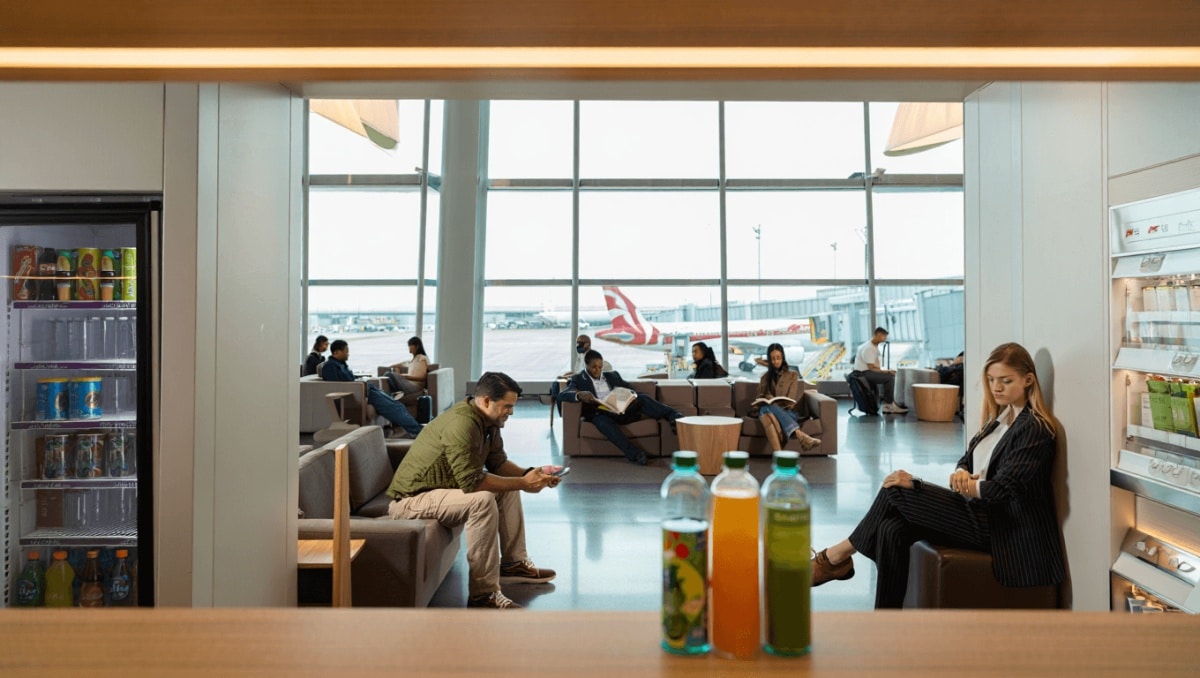
The interiors are designed to be calm and useful for a wide range of travelers. Expect practical amenities fused with thoughtful touches that encourage relaxation and productivity.
- Hydration stations: filtered water taps, sparkling options, and infused water.
- Fermented and fermented-style drinks: kombucha, kefir, and low-sugar botanical sodas.
- Herbal teas and specialty coffee brewed to order, with dairy-free milk choices.
- Healthy snack selections: whole-grain bars, fresh fruit, and savory small plates.
- Work zones: fast Wi‑Fi, charging points, and quiet booths for calls.
- Rest areas: recliners, soft lighting, and sound-masking panels.
- Family-friendly corners with space for strollers and kids’ activities.
Design choices that improve travel comfort
Every design decision reinforces the lounge’s mission: reduce stress, not just wait out delays. Furnishings avoid harsh lines and bright gloss. Materials are chosen for comfort and durability. Lighting is warm and adjustable.
Noise control and privacy
Acoustic panels and designated quiet zones cut down on terminal noise. Privacy pods let travelers take video calls or nap without disturbing others.
How entry works — free, fair, and simple
Access rules are clear to prevent overcrowding while keeping the lounge free. Most operators use one or more of these methods:
- First-come, first-served during operating hours.
- Time-limited stays to rotate traffic.
- Priority windows for families, elderly, and passengers with disabilities.
Some locations pair free entry with optional paid upgrades. Upgrades may add perks like showers or premium snacks while keeping the baseline space open to everyone.
Why some travelers welcome the change
For many, the lounge’s appeal lies in function rather than luxury. Travelers who value sleep, work time, or a comfortable place to sit prefer a calm, health-forward environment to the buzz of traditional premium lounges.
- Business travelers can meet clients in a quiet corner.
- Families get space to settle children without squeezing into gate chairs.
- Budget-conscious flyers enjoy a high-quality waiting area at no extra cost.
Common questions travelers ask about the no-Diet-Coke policy
Is Diet Coke really banned?
In the spaces described, widely distributed cola brands are intentionally absent from the core beverage lineup. The goal is to promote alternatives that support hydration and steady energy.
Can I bring my own drink?
Most lounges allow personal items, including beverages purchased elsewhere. Rules vary by operator, so check signage or ask staff on arrival.
Tips for making the most of a free wellness lounge
- Arrive early to secure a seat during busy times.
- Bring noise-cancelling earbuds for calls or rest.
- Try the alternative beverages — you might discover a new favorite.
- Use charging stations to top up devices before boarding.
- Respect time limits so others can use the space.
What this trend means for the future of airport services
As passengers demand more meaningful comfort, expect more experiments with free, health-oriented spaces. Airports and airlines are learning that a calm, inclusive lounge can boost traveler satisfaction more than an array of premium perks.
The shift away from traditional soft drinks is small in itself, but it reflects broader changes in how travel environments are curated. Amenities now aim to support energy management, mental focus, and genuine rest.