Show summary Hide summary
- Details of the March expansion: what the airline disclosed
- Why the move matters for travelers and airports
- Where the growth fits in Southwest’s network strategy
- Operational implications: aircraft, crews, and schedules
- Ticketing, fares, and booking tips for travelers
- Local economic effects and airport responses
- What travelers should watch next
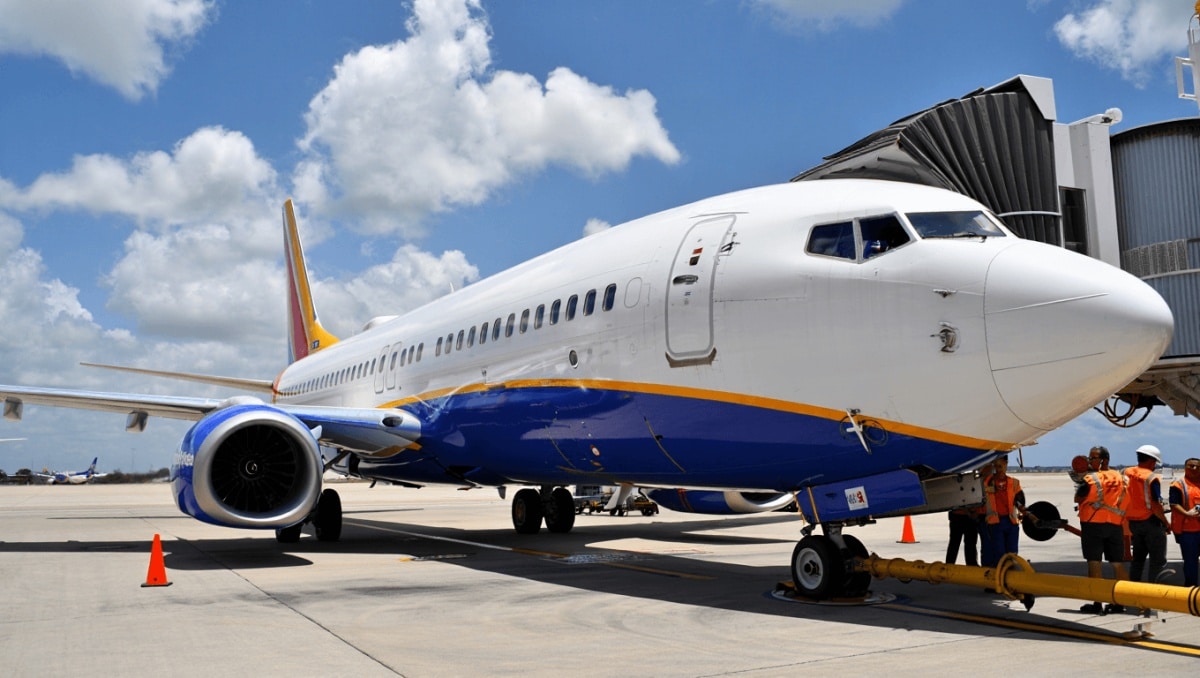
Southwest Airlines has announced a major network boost for March that will expand its schedule and connect more communities. The carrier says the package includes a slate of new routes designed to increase frequency, open fresh markets, and give travelers greater choice ahead of the spring travel season.
Details of the March expansion: what the airline disclosed
Southwest’s March launch is framed as a strategic capacity increase. Company spokespeople described the plan as aimed at improving connectivity across existing hubs and secondary cities.
Sophia Laforteza of Katseye announces hiatus: comes months after Manon Bannerman’s exit
Delta to return to Tokyo Narita hub in 2027: 7-year comeback
- Number of new routes: 15 routes added in March.
- Cities affected: Service will touch 20 cities, including expanded frequencies into some markets.
- Timing: Flights are slated to start in March, with some phases rolling out over the month.
Why the move matters for travelers and airports
New flights can shorten itineraries and reduce reliance on connecting carriers. For passengers, that often means more nonstop options.
- More direct flights lower travel time for many point-to-point trips.
- Increased competition can pressure fares downward.
- Secondary airports may see boosted tourism and business traffic.
Where the growth fits in Southwest’s network strategy
Southwest typically prioritizes frequency and point-to-point connections over a strict hub model. This expansion follows that pattern.
Focus areas
- Strengthening service in high-demand origin-destination pairs.
- Adding flights to leisure destinations for the spring travel window.
- Targeting underserved city pairs to capture market share.
Operational implications: aircraft, crews, and schedules
Adding 15 routes requires coordination of planes and people. Southwest will adjust its schedule, aircraft rotations, and crew assignments to meet demand.
- Aircraft utilization will increase during peak hours.
- Smoother aircraft turns and efficient ground operations are essential.
- Crewing schedules will be realigned to support new flights.
Ticketing, fares, and booking tips for travelers
Passengers should monitor the airline’s booking channels for new fares and sale windows. Early-booking often yields better prices.
- Check Southwest.com and the airline app for route availability.
- Set price alerts or follow the carrier on social media for announcements.
- Be flexible with dates to find the lowest fares after launch.
Local economic effects and airport responses
When an airline adds routes, local economies can gain from added visitors and connectivity. Airports benefit from higher passenger volumes and fees.
- Hotels, restaurants, and transport services see increased demand.
- Regional business travel becomes more convenient.
- Airports may advertise improved access to attract events and conferences.
What travelers should watch next
Keep an eye on seat maps and schedule confirmations as the start date approaches. Airlines occasionally tweak timings before departure.
- Confirm reservations and check for schedule updates close to travel dates.
- Look for introductory fare promotions after routes are loaded for sale.
- Expect higher demand on newly launched nonstop services.