Show summary Hide summary
- What the data actually reveals about refused travelers
- How the new Entry/Exit System (EES) changes your arrival
- Simple steps to avoid being refused at the border
- Expect longer wait times — plan your connections carefully
- What authorities and airlines are doing to ease the pressure
- What travelers should watch for next
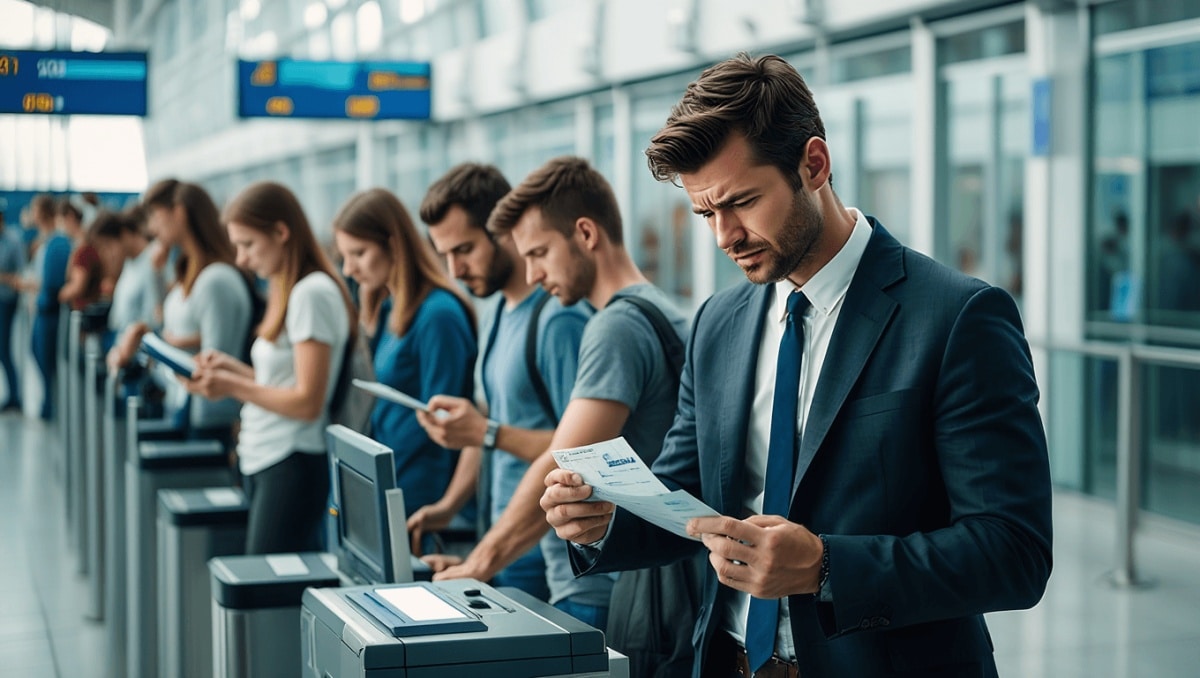
Nearly 44,000 travelers have been refused entry to the European Union since the bloc began using its new digital border system. The headlines sound alarming, but a closer look shows most rejections came from routine paperwork and compliance checks — not random targeting of tourists.
What the data actually reveals about refused travelers
Official figures break down the refusals into clear categories. The vast majority were avoidable issues tied to documentation and past travel behavior.
Heated rivalry future revealed: gay hockey romance teases second season
Tony Shalhoub avoided Hollywood spotlight: daughter reveals surprising reason
- Unable to prove purpose of visit: Over 16,000 people lacked convincing proof of where they were staying or that they planned to leave. Missing return tickets and hotel confirmations are common culprits.
- Overstays detected: About 8,700 travelers were flagged by the system for exceeding the 90 days in any 180-day Schengen allowance.
- Invalid or fake documents: Expired passports and forged paperwork accounted for many other denials.
- Security alerts: The new system helped identify roughly a thousand individuals considered security risks.
How the new Entry/Exit System (EES) changes your arrival
The EES replaces the old hand-stamp routine with biometric registration at your first EU point of entry. The process is largely automated and digital.
- At landing, you’ll go to a self-service kiosk to scan your passport, have your face photographed, and register fingerprints.
- After the kiosk, you proceed to an e-gate or a border officer for verification.
- If the system flags anything, you are directed to a secondary inspection by a human agent.
During that secondary check, agents commonly ask you to show travel plans and proof of accommodation. Digital records of prior Schengen visits are instantly available to officers now.
Simple steps to avoid being refused at the border
Most refusals come down to preparation. The measures below cover what you must have before boarding.
- Valid passport: Ensure your passport is valid for at least three months beyond your planned EU departure date.
- Return or onward ticket: Carry a confirmed return flight or onward ticket. Print a copy or save a screenshot offline.
- Proof of accommodation: Hotel bookings or a clear address for your stay should be easily accessible.
- Comply with 90/180 rule: Verify you have not already used up 90 days in the Schengen area in the last 180 days.
- Keep documents offline: Don’t rely on airport Wi‑Fi. Save screenshots and PDFs on your device or print them.
Compact pre-flight checklist
- Passport valid ≥ 3 months after EU exit date
- Return or onward ticket screenshot
- Hotel reservation or address saved offline
- Count days in Schengen to ensure compliance
- Allow extra time for biometric processing
Expect longer wait times — plan your connections carefully
Even well-prepared travelers face delays. Initial biometric registration adds minutes per passenger, and that stacks at busy hubs during peak season.
- Major airports like Frankfurt and Amsterdam have seen queues stretching to three to five hours at peak times.
- If your first European stop is a connection point, build in at least a three-hour layover.
- Monitor your arrival airport’s live wait-time updates where available.
What authorities and airlines are doing to ease the pressure
EU officials and airport operators are under intense pressure to reduce bottlenecks. Temporary measures are being explored to manage surges.
- Member states may temporarily relax biometric collection when passenger volumes become unsafe.
- Airlines and airport groups are coordinating more resources at border control during summer peaks.
- Still, procedural safeguards remain. Even if scans are paused, officers may still request travel documents.
What travelers should watch for next
The planned ETIAS travel authorization has been postponed, so no online waiver is required today. However, rules and tech rollouts evolve quickly. Check official government sites before travel.
- Review embassy or consulate guidance for your destination.
- Sign up for airline and airport alerts for real-time updates.
- Keep backups of all essential documents in multiple places.