Show summary Hide summary
- Why the LaGuardia slots matter for JetBlue and travelers
- How this deal came together and what regulators required
- Marine Air Terminal: a historic gateway in JetBlue’s sights
- Possible route strategies from LaGuardia and the Marine Air Terminal
- What competitors and passengers should expect
- Operational and financial challenges ahead
- Community, labor, and political considerations
- Timing and what to watch next
- How this shapes New York aviation competition
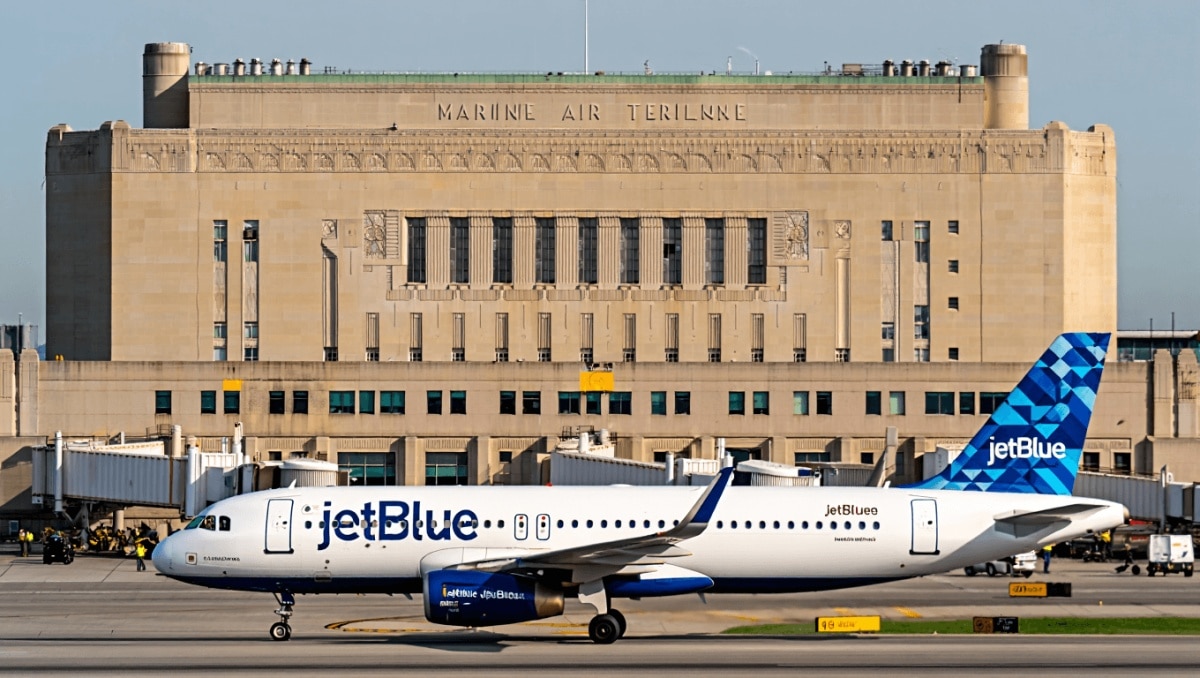
JetBlue has picked up a cache of LaGuardia takeoff and landing rights that once belonged to Spirit, and the airline is already mapping out bold plans that could bring new flights back to the airport’s storied Marine Air Terminal. The move reshapes New York’s short-haul landscape and signals a bigger push by JetBlue to lock in capacity at one of the nation’s busiest airports.
Why the LaGuardia slots matter for JetBlue and travelers
LaGuardia slots are scarce and valuable. They determine when aircraft can take off and land during peak hours. By acquiring Spirit’s slots, JetBlue gains more control over key peak schedules.
Sophia Laforteza of Katseye announces hiatus: comes months after Manon Bannerman’s exit
Delta to return to Tokyo Narita hub in 2027: 7-year comeback
- More slots mean better frequency on competitive routes.
- Peak-hour access improves connections for business travelers.
- Slots can be used to defend market share against legacy carriers.
How this deal came together and what regulators required
The acquisition follows regulatory scrutiny of airline consolidation. Authorities often demand divestitures to preserve competition. In this case, Spirit’s LaGuardia entitlements were transferred to keep options open for travelers and rival carriers.
Regulatory safeguards and conditions
- Divestiture of specific slots to avoid market dominance.
- Timelines for when the new owner must put slots into service.
- Limits on immediate redeployment to different gateway airports.
Marine Air Terminal: a historic gateway in JetBlue’s sights
The Marine Air Terminal (MAT) at LaGuardia is an architectural relic with a modern potential. JetBlue has publicly signaled interest in using the terminal to expand its New York operations.
- MAT offers a distinct passenger experience with a smaller, often quicker facility.
- Its location inside LaGuardia makes it attractive for short-haul flights.
- Reintroducing scheduled service would require investment in gates and passenger amenities.
Possible route strategies from LaGuardia and the Marine Air Terminal
JetBlue could use the newly acquired slots to strengthen hub-and-spoke links or to launch higher-frequency shuttle services. The Marine Air Terminal could host niche routes that benefit from quick turnarounds.
- Short-haul business routes to Boston, Washington, and Philadelphia.
- Premium shuttle-style flights aimed at frequent travelers.
- Feeder services that connect to JetBlue’s larger transcontinental and international flights.
What competitors and passengers should expect
Rivals will likely respond by tweaking schedules and pricing. Passengers may see more choices during busy hours. Airports, unions, and local authorities will monitor slot usage closely.
- Competitors may add frequency or match fares on impacted routes.
- Passengers may benefit from more peak-time departures.
- Watch for possible changes in lounge access and gate assignments.
Operational and financial challenges ahead
Turning slot ownership into profitable service is complex. JetBlue must manage aircraft availability, crew scheduling, and terminal logistics. Renovating or adapting the Marine Air Terminal would add costs.
- Aircraft must be assigned without disrupting existing networks.
- Crew bases and maintenance schedules require adjustments.
- Terminal upgrades may be needed for modern boarding flows.
Community, labor, and political considerations
Local leaders and labor groups will weigh in. New service can create jobs and spur economic activity. But it can also raise concerns about noise, gate allocation, and labor conditions.
- Local officials may press for community benefits agreements.
- Unions will track staffing and hiring policies tied to new operations.
- Public feedback could influence how quickly new flights launch.
Timing and what to watch next
Watch for official filings that set the exact timeline for when JetBlue must use the slots. Airport notices, JetBlue route announcements, and terminal renovation permits will reveal next steps.
- Regulatory filings that confirm slot reallocation dates.
- JetBlue press releases about specific routes or terminal plans.
- Construction permits or lease agreements at the Marine Air Terminal.
How this shapes New York aviation competition
Adding LaGuardia capacity to JetBlue’s portfolio shifts the competitive balance in the New York market. It gives the airline more flexibility to defend and grow its customer base.
- More slots equal stronger presence in key time windows.
- Smaller terminals can offer speed and branding advantages.
- The overall effect could be better options for travelers.