Show summary Hide summary
- What led to the stoppage and immediate effects on routes
- How airlines and airports reacted in the first hours
- Union demands and what management is saying
- How this disruption affects travelers and bookings
- Practical steps for passengers caught in the strike
- Wider implications for the Canadian travel sector
- What to watch next as negotiations continue
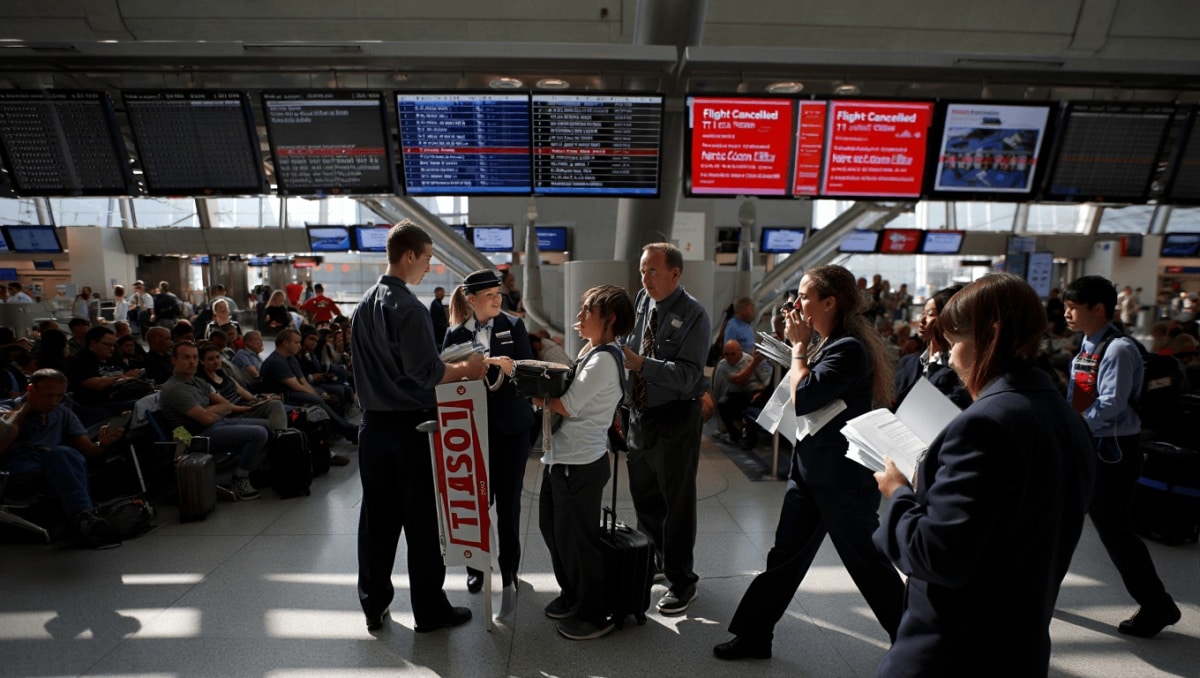
Air travel across Canada faces sudden disruption after a major carrier halted departures when flight crews walked off the job. Travelers woke to cancelled flights, packed terminals and fast-changing airline notices, as airports and officials scrambled to manage the fallout.
What led to the stoppage and immediate effects on routes
Unionized cabin and cockpit crews began work stoppages following failed contract talks. The carrier announced a temporary grounding of affected flights. Thousands of passengers were impacted within hours, with many left stranded at hubs and connecting cities.
Sophia Laforteza of Katseye announces hiatus: comes months after Manon Bannerman’s exit
Delta to return to Tokyo Narita hub in 2027: 7-year comeback
- Major airports reported delays and backlog at check-in counters.
- International and domestic routes saw uneven disruption.
- Some last-minute flights operated with replacement crews where possible.
How airlines and airports reacted in the first hours
Airline management published lists of cancelled flights online and offered rebooking options. Ground staff worked overtime to assist customers. Airport authorities increased staffing at gates and information desks.
Customer support measures
- On-site agents handling rebookings and refunds.
- Hotlines and online portals updated frequently.
- Temporary lounges set up for delayed passengers at key hubs.
Union demands and what management is saying
The unions said the strike was driven by pay, scheduling and staffing concerns. They called for stronger job protections and improved work-life balance clauses in new contracts. Management blamed economic constraints but said talks remained open.
- Union: calls for fair wages and predictable schedules.
- Carrier: cites financial pressures and operational limits.
- Both parties said mediators were available to restart negotiations.
How this disruption affects travelers and bookings
Passengers faced long waits, missed connections and sudden itinerary changes. Travel insurance and credit card protections varied by situation. Airline policies on refunds and alternate travel were rolled out quickly to reduce chaos.
- Check the airline’s flight status page first.
- Look for automated rebooking emails and mobile alerts.
- Contact your travel provider or insurer if you have connecting plans.
Practical steps for passengers caught in the strike
Following a few clear steps can cut stress and costs. Keep documentation of cancellations and communications for claims.
- Confirm your booking via the airline app or website.
- Ask about refunds, vouchers or free rebooking options.
- Reach out to your credit card or travel insurer for coverage details.
- Consider alternative carriers or ground transport for urgent travel.
Wider implications for the Canadian travel sector
Analysts warn that prolonged labour disputes could ripple through tourism and supply chains. Business travel, tourism revenues and airport operations could face months of recovery if talks stall.
- Potential higher fares as carriers scramble to cover gaps.
- Increased pressure on rival airlines to absorb stranded customers.
- Regulators may step in if essential routes remain suspended.
What to watch next as negotiations continue
Stay alert for updates from the carrier, union announcements and official travel advisories. Flight status pages remain the fastest source for changes. Newsrooms and airport screens will track developments closely as both sides return to the bargaining table.