Show summary Hide summary
- What the certification covers and why it matters
- Technical updates that won regulator confidence
- Reasons behind the extended delay
- How airlines and the market may react
- Impact on Boeing’s production and backlog
- Regulatory aftershocks and industry oversight
- Early service expectations and passenger perspective
- What to expect next in deliveries and operations
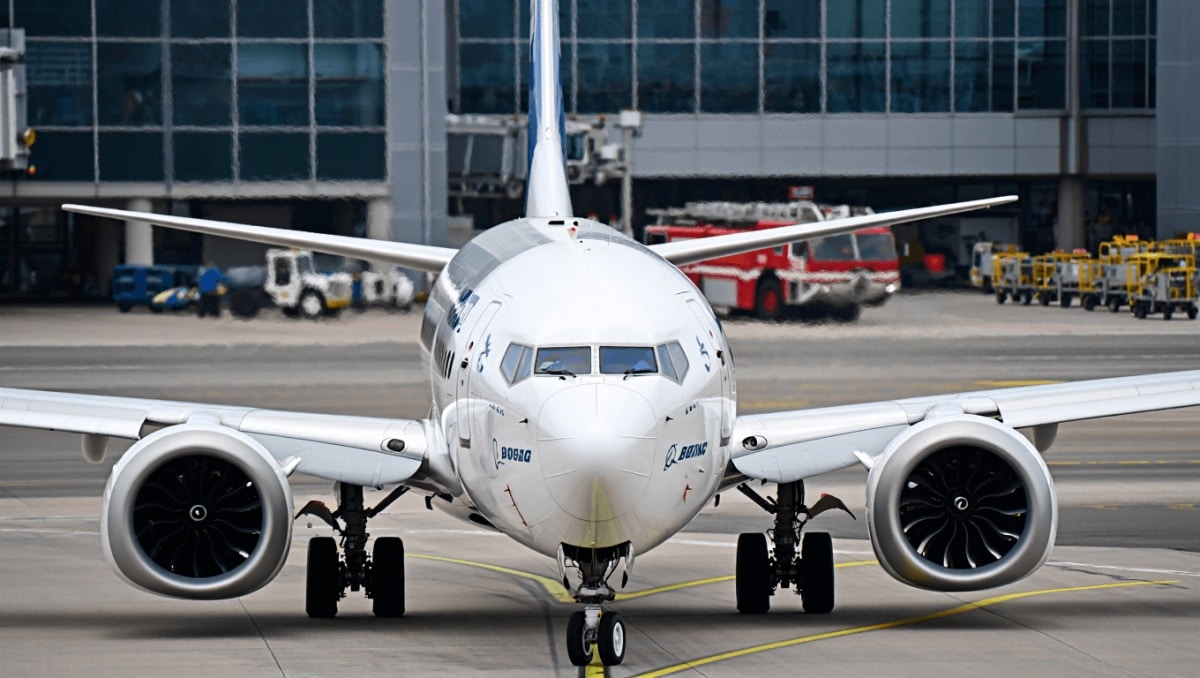
The FAA has cleared the smallest member of Boeing’s 737 MAX family, ending a long chapter of regulatory hurdles and production setbacks. The move frees Boeing to begin planned deliveries and ushers in a new phase for carriers that ordered the compact jet, while renewing scrutiny of certification processes that have shaped the program’s future.
What the certification covers and why it matters
The approval covers the compact variant of the 737 MAX line, aimed at airlines seeking short- to medium-haul capacity with improved fuel efficiency. For Boeing, the green light removes a major obstacle that had delayed this model’s entry into service.
Sophia Laforteza of Katseye announces hiatus: comes months after Manon Bannerman’s exit
Delta to return to Tokyo Narita hub in 2027: 7-year comeback
For airlines, the certification unlocks aircraft deliveries, fleet planning, and potential route expansions. For regulators and passengers, it raises questions about oversight, safety culture, and how design changes are reviewed.
Technical updates that won regulator confidence
The aircraft passed a multi-faceted review that examined flight systems, software changes, and pilot procedures.
- Flight-control modifications and redundancies were tested in simulated and in-flight conditions.
- Software updates were validated alongside revised pilot guidelines and cockpit alerts.
- Structural and systems inspections focused on long-term reliability and maintenance access.
FAA approval followed exhaustive testing and documentation from Boeing. The agency’s sign-off reflects both laboratory and real-world flight evaluations.
Reasons behind the extended delay
The path to certification stretched over several years for multiple reasons. The entire MAX family faced enhanced scrutiny after earlier incidents prompted a global grounding and a redesign of key systems.
- Regulatory re-examinations of safety systems increased the timeline.
- Design revisions required additional engineering and flight tests.
- Supply-chain strains and production pauses added logistical delays.
These factors compounded, turning an originally expected rollout into a protracted review process.
How airlines and the market may react
Airlines that placed orders for the smallest MAX variant can now move forward with delivery schedules and crew training.
- Some carriers will redeploy older jets or expand thinner routes with the new model.
- Leasing companies may accelerate acceptance and placement of aircraft.
- Competitors, including narrow-body rivals, will watch pricing and availability.
Fleet planners will weigh fuel savings and airport compatibility against residual skepticism. Passenger confidence and operational reliability will be crucial in early months.
Impact on Boeing’s production and backlog
Boeing faces pressure to translate certification into steady deliveries without further hiccups.
- Production lines must meet quality and timeline demands simultaneously.
- Supply partners will be asked to sustain higher output and stricter standards.
- Order backlogs offer revenue visibility but also operational complexity.
Meeting demand while maintaining rigorous quality controls is a central challenge as deliveries ramp up.
Regulatory aftershocks and industry oversight
Certification has not erased broader debates about aircraft oversight and corporate processes.
Regulators worldwide have updated their procedures since the MAX family first drew intense review. The recent approval highlights ongoing reforms in how design changes and pilot interfaces are assessed.
- Enhanced transparency measures aim to restore public confidence.
- Independent audits and closer collaboration between agencies and manufacturers are now routine.
Observers note that the episode reshaped global aviation oversight. Lessons from delays continue to inform policy and industry practice.
Early service expectations and passenger perspective
Initial airline deployments will be closely watched for reliability, fuel performance, and passenger experience.
- Airlines will monitor operational metrics such as dispatch reliability and maintenance intervals.
- Passengers will judge comfort, boarding routines, and perceived safety.
- Public communication about safety features will be important for airline brands.
How quickly carriers integrate the jet into schedules will influence both market perception and future sales momentum.
What to expect next in deliveries and operations
With certification in hand, Boeing and its customers will finalize delivery timelines and crew training programs.
Airlines will phase the type into service, likely starting with shorter routes to build operational experience.
- Training syllabi will emphasize changes in avionics and emergency procedures.
- Maintenance teams will establish lifecycle plans for the new airframe.
- Regulators will continue post-certification surveillance of in-service performance.
The transition from approval to routine operations will be gradual and carefully monitored. Every delivery will be an important data point for industry confidence.