Show summary Hide summary
- Why sargassum has become a headline problem for the Riviera Maya
- Mexico’s multi-million dollar plan to intercept seaweed before it hits shore
- The ships, machines, and expected collection capacity
- What travelers should expect on future trips to Cancun and the Riviera Maya
- Alternatives and activities when beaches are affected
- Practical tips to plan around sargassum season
I’ve spent more time on the white sand of Cancun and the Riviera Maya than I can track. Living in Mexico and covering travel means I see both postcard-perfect days and the seasons when seaweed changes everything.
Why sargassum has become a headline problem for the Riviera Maya
Sargassum blooms have grown from occasional nuisances into near-constant visitors. This year the influx reached staggering levels, overwhelming beaches and tourism infrastructure.
Heated rivalry future revealed: gay hockey romance teases second season
Tony Shalhoub avoided Hollywood spotlight: daughter reveals surprising reason
Mexico’s Environment and Natural Resources Minister, Alicia Bárcena, warns that as much as 9,000 tons of sargassum are washing ashore every day in Quintana Roo. That daily figure far exceeds prior seasons, and it has shifted the challenge from seasonal to persistent.
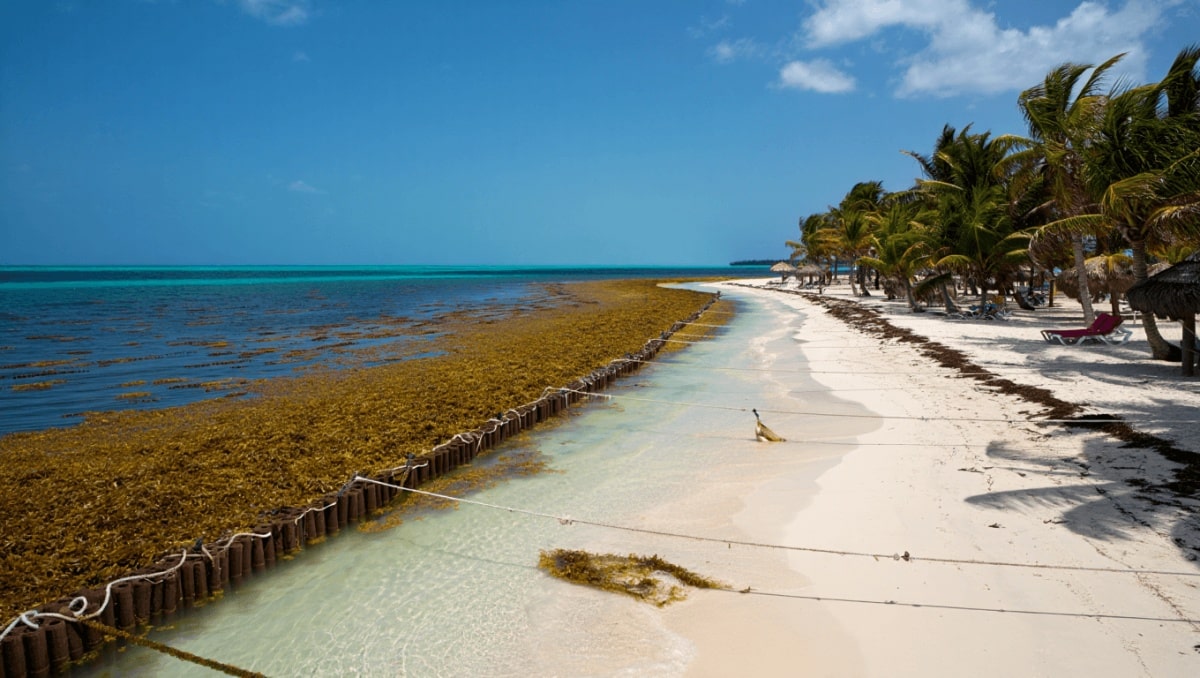
The consequences are visible: cloudy nearshore water, piles of decaying seaweed that carry a sulfur-like odor, and extra cleanup costs for resorts and towns.
Mexico’s multi-million dollar plan to intercept seaweed before it hits shore
The federal government has launched a major response to stop sargassum before it reaches tourist beaches. Officials have announced a comprehensive program backed by significant funding.
This initiative centers on a large-scale maritime effort. The publicized budget nears $115 million and directs naval resources, equipment, and barriers to the most affected coastal areas.
Where the barriers will be placed and why it matters
The plan calls for more than 30 miles of floating containment systems. These lines will be strung across hotspots including Cancun, Playa del Carmen, Tulum, Puerto Morelos, and Mahahual.
By blocking sargassum offshore, authorities hope to reduce the need for daily tractor cleanups on beaches and cut down on decomposing seaweed that ruins the water’s clarity.
The ships, machines, and expected collection capacity
Beyond barriers, the operation adds vessels and specialized harvesters to collect seaweed in open water. The first phase targets a big jump in at-sea removal.
- Initial fleet additions: tugboats and coastal sargassum harvesters to tow and gather floating mats.
- Daily collection goals: the early investments aim to roughly triple current at-sea removal capacity.
- Scaling up: later phases plan for larger ocean-going vessels to raise capacity even further.
Officials say the early funding tranche focuses on equipment that can immediately increase the tons collected at sea each day. Longer-term buys will expand that capacity to thousands of tons daily.
How interception changes beach cleanup dynamics
Current cleanup usually waits until sargassum lands on the sand. The new strategy flips that approach: trap and harvest at sea first, then minimize onshore labor.
This method reduces the volume reaching resorts, lowers odor events, and preserves the visual quality of beaches when it succeeds.
What travelers should expect on future trips to Cancun and the Riviera Maya
The new navy-led program should improve beach conditions but it cannot promise zero seaweed every day. Still, most travelers can expect fewer extreme events on heavily trafficked shorelines.
Fewer mats onshore means clearer water, less smell, and more mornings when the beach looks like the photos that sold the trip.
On-the-ground reality: not every hour will be perfect
Barriers and harvesters work best against drifting sargassum, but strong currents or sudden blooms can temporarily overwhelm defenses. Resorts will still need to do onshore maintenance sometimes.
Alternatives and activities when beaches are affected
If sargassum does arrive, the Riviera Maya offers plenty of ways to salvage your vacation. Here are practical switches that keep your trip memorable.
- Swim in a cenote: These inland freshwater sinkholes are immune to sargassum and deliver crystal-clear water.
- Hop to the islands: Isla Mujeres and Cozumel often have west-facing beaches sheltered from east-driven currents.
- Use resort pools: Many hotels expanded their pool complexes to offer ocean views without the seaweed hassle.
- Book boat tours: Some operators target cleaner water farther offshore or around protected reefs.
Practical tips to plan around sargassum season
Follow simple steps to reduce the chance that seaweed will derail your plans.
- Check daily beach reports: Local authorities and many resorts post sargassum updates each morning.
- Choose west-facing shores: They tend to be more sheltered when currents push sargassum toward the coast.
- Pick properties with robust amenities: Pools, beach clubs, and programmed excursions make bad-beach days manageable.
- Be flexible: Plan alternate outings—ruins, cenotes, or island trips—if your beachfront is affected.
- Avoid direct contact: Wet sargassum can irritate skin. If needed, use gloves when handling or ask staff to remove it.