Show summary Hide summary
- Why Delta is returning to Tokyo Narita now
- What the Narita comeback will look like
- Fleet and operations: the aircraft behind the relaunch
- Partnerships, slots and regulatory hurdles
- Impact on passengers and the market
- Local effects at Narita and in Japan
- How this changes the transpacific landscape
- Timeline and what to expect before 2027
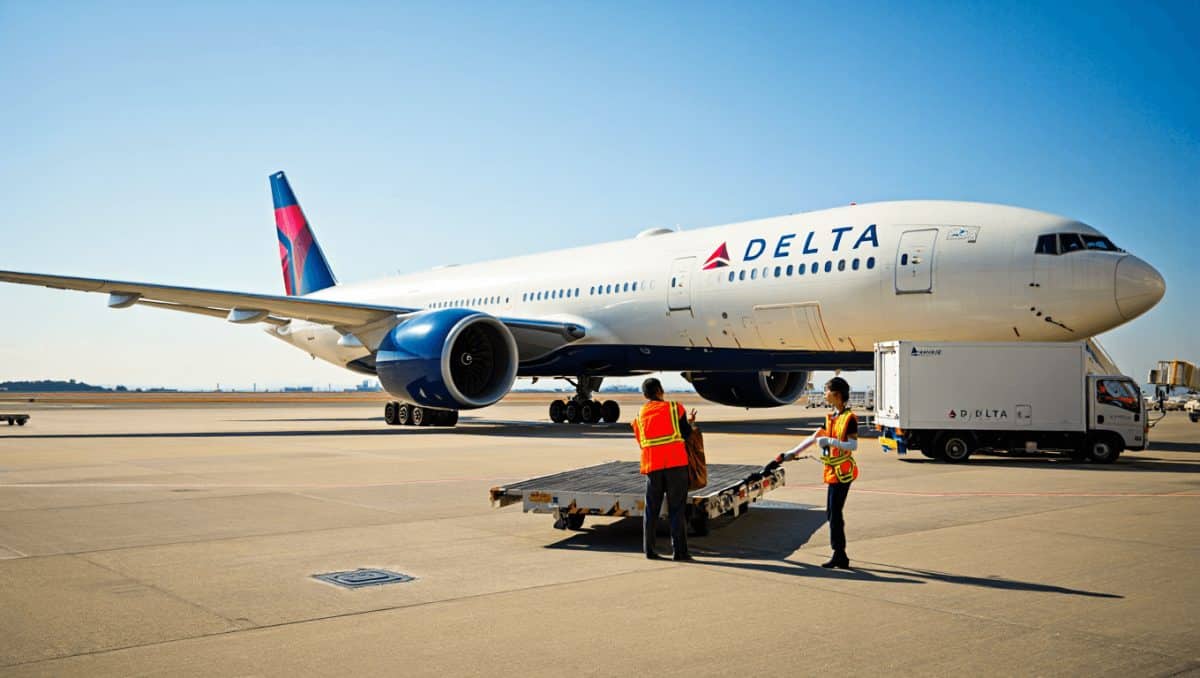
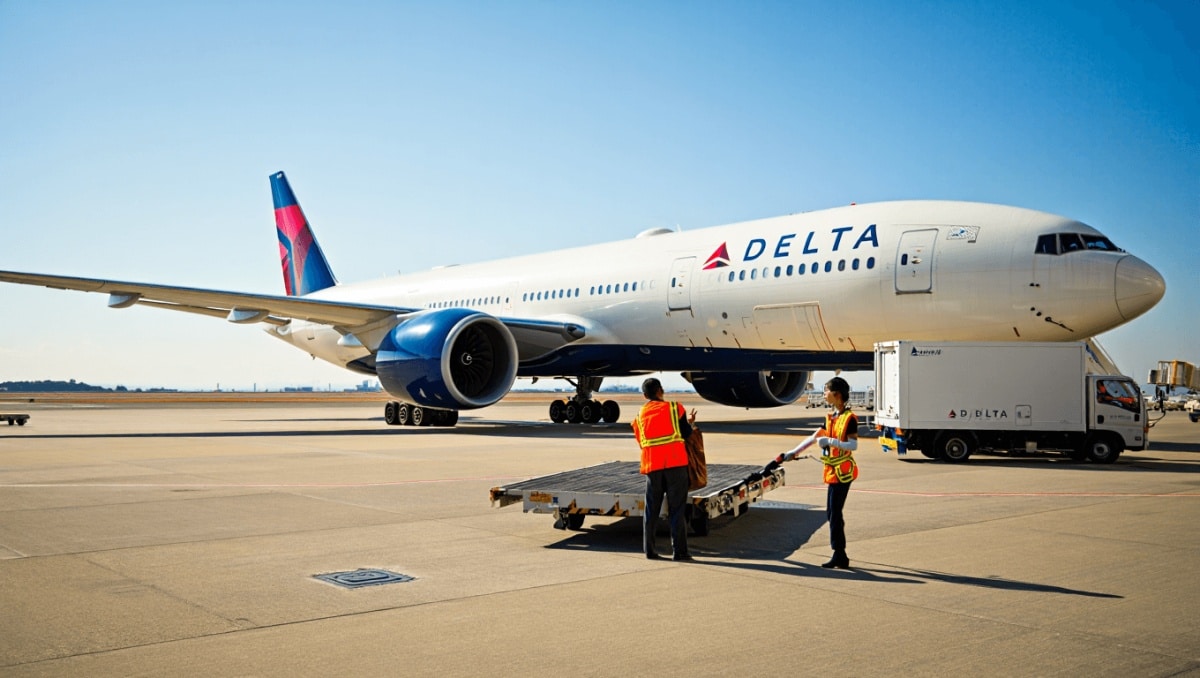
Delta Air Lines will reopen its presence at Tokyo Narita in 2027, ending a seven-year absence and reshaping transpacific connections between Japan and the United States. The move is positioned as a major step in Delta’s Asia strategy as travel demand recovers, and it signals renewed competition for long-haul passengers and cargo through the greater Tokyo region.
Why Delta is returning to Tokyo Narita now
Executives point to rising demand for international travel and stronger business ties across the Pacific. After years of route pauses and network shifts, Delta aims to recapture market share and offer more nonstop options.
Delta to return to Tokyo Narita hub in 2027: 7-year comeback
Gina Kirschenheiter engagement rings: shows off two from fiancé Travis Mullen
- Passenger demand: Leisure and business travel to Japan has rebounded strongly.
- Network resilience: Narita provides runway capacity and international connectivity that complements Haneda.
- Strategic timing: New fleet deliveries and improved scheduling align with a 2027 relaunch.
What the Narita comeback will look like
Delta plans to reestablish Narita as a connecting hub for its Pacific network. The airline will operate a mix of nonstop U.S. routes and regional links designed to feed long-haul flights.
Expected route pattern
- Nonstop services to major U.S. gateway cities.
- Regional flights across Asia to boost connectivity.
- Optimized schedules to support one-stop travel between secondary cities.
Fleet and operations: the aircraft behind the relaunch
Delta will deploy modern widebody aircraft suited for long-haul travel. The focus is on fuel efficiency and passenger comfort to keep fares competitive and reduce operating costs.
- Long-range aircraft: Newer widebodies will be prioritized for transpacific legs.
- Cabin upgrades: Improved premium seating and inflight services for the long haul.
- Cargo capability: Belly cargo capacity will support freight demand on Asia-U.S. lanes.
Partnerships, slots and regulatory hurdles
Restarting operations requires coordination with Japanese authorities and local airport partners. Slot allocations, bilateral traffic rights, and airport logistics are all part of the plan.
- Negotiations for takeoff and landing slots at Narita are ongoing.
- Codeshare and interline agreements will be expanded with regional carriers.
- Approvals from regulators are being secured ahead of the 2027 timeline.
Impact on passengers and the market
Travelers can expect more nonstop options and improved connectivity. The return will also intensify competition on the Pacific corridor, which could affect fares and scheduling.
- More choices: Additional nonstop flights reduce travel time for many itineraries.
- Competitive fares: Rival carriers may adjust pricing to defend market share.
- Regional boost: Tourism and business links in Japan stand to gain.
Local effects at Narita and in Japan
Narita Airport could see higher passenger volumes and new service offerings. Airports around Tokyo will coordinate to manage transfer traffic and ground services.
- Job creation in ground handling and airport operations.
- Stronger cargo flows for export and import businesses.
- Increased hotel and transport demand near Narita.
How this changes the transpacific landscape
Delta’s move is a sign that airlines are reoptimizing their Asia networks after a period of disruption. Expect realignment of alliances and more focus on one-stop connectivity across the Pacific.
Competitive dynamics to watch
- Route overlaps with other U.S. carriers and Japanese airlines.
- Potential joint ventures or strengthened partnerships for feed traffic.
- Shift in cargo routing preferences for time-sensitive freight.
Timeline and what to expect before 2027
Planning and preparatory steps will accelerate over the next months. Travelers and industry watchers should monitor announcements on routes, launch dates, and booking windows.
- Slot confirmations and regulatory clearances in the near term.
- Public route announcements and ticket sales likely within months of final approvals.
- Incremental ramp-up of flights as demand and staffing permit.