Show summary Hide summary
- Why the single-camera setup put Curtis off the set
- Her part on New Girl and the cast she joined
- How multi-camera sitcoms differ — and why Curtis loves them
- The sitcoms that shaped her taste in television
- From Anything But Love to newly launched projects
- Industry context: single-camera popularity and audience tastes
- What co-stars and creators said about casting and chemistry
Jamie Lee Curtis surprised fans when she admitted she did not enjoy shooting an episode of the Fox comedy New Girl, saying the way it was filmed ran counter to her favorite style of television work. Her comments at a recent NBCUniversal event reignited a conversation about the differences between single-camera and multi-camera sitcoms — and why some actors prefer one over the other.
Why the single-camera setup put Curtis off the set
Taylor Swift and Travis Kelce: sneak peek inside their private newlywed life
Emmy Rossum, Oscar Isaac and Shailene Woodley steal the show at Televerse Festival 2026 red carpet
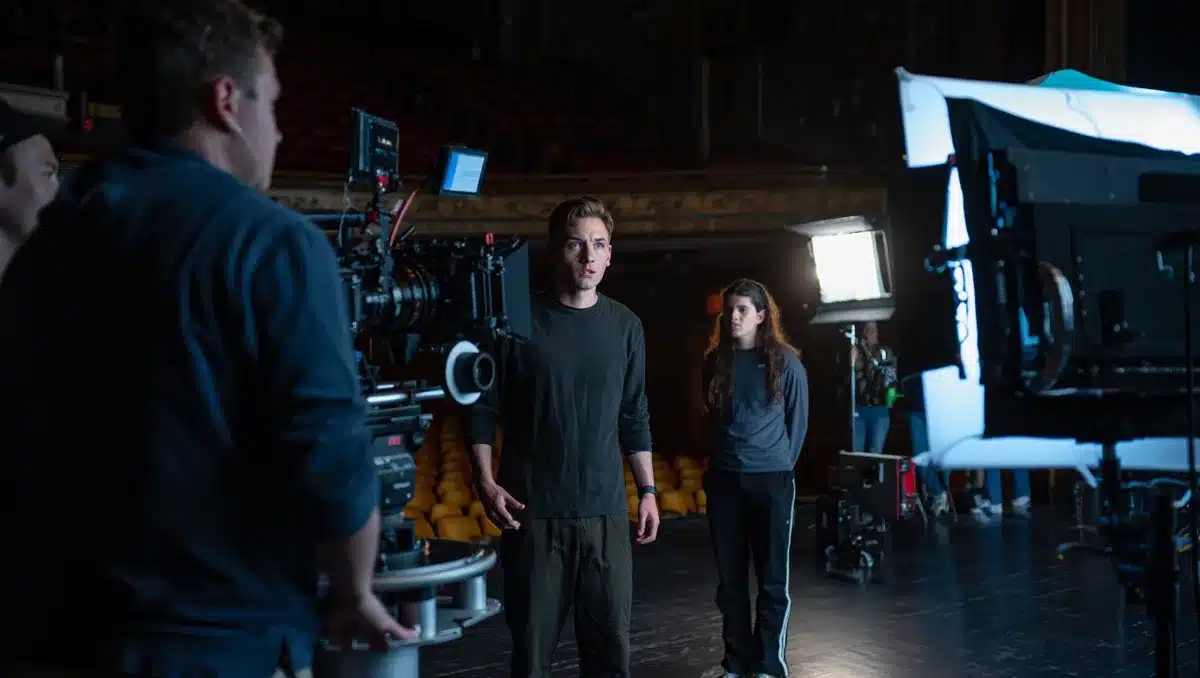
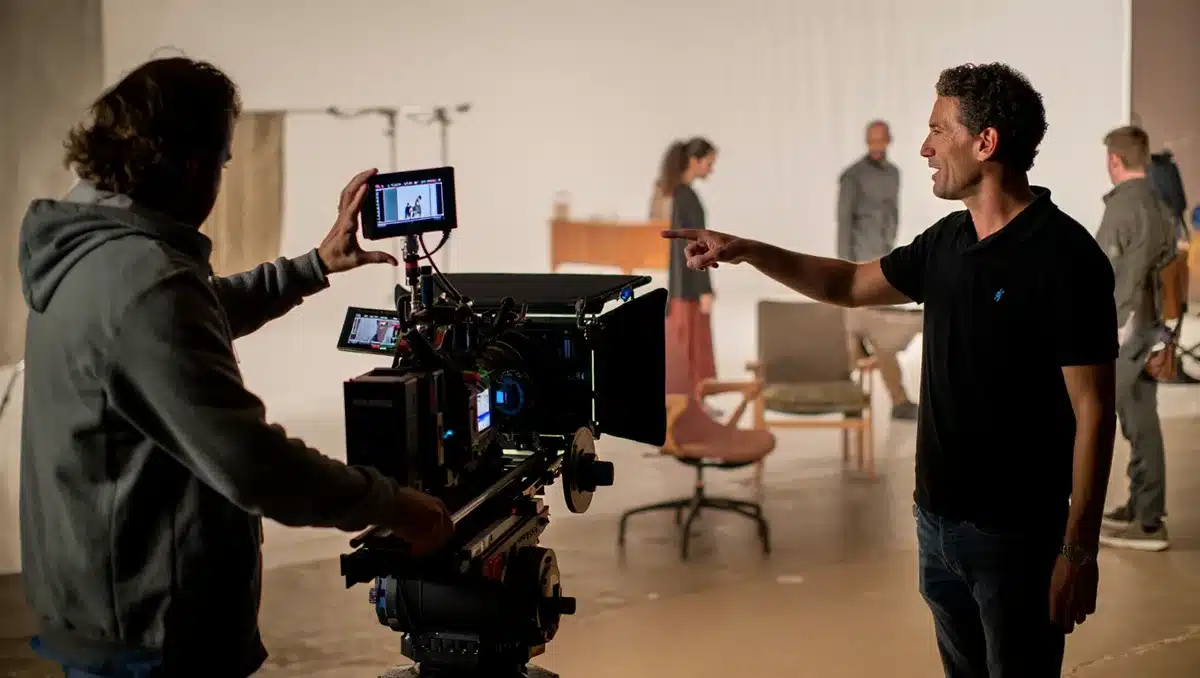
Curtis explained that single-camera productions felt more like making a film than performing a sitcom sketch. She said the pace and atmosphere on set left her cold.
- Single-camera shoots often run silently between takes.
- There is less rehearsal time in front of people.
- Actors perform scenes piecemeal for different camera angles.
For Curtis, that quiet, staged rhythm removed the immediate feedback that makes live comedy thrilling.
Her part on New Girl and the cast she joined
Curtis appeared as Joan, the on-screen mother of Zooey Deschanel’s character, Jess. She showed up in several episodes and shared scenes with late actor Rob Reiner, who played Jess’s father.
- Show run: 2011–2018.
- Main ensemble included Zooey Deschanel, Jake Johnson, Max Greenfield, and Lamorne Morris.
- The series gained new viewers after streaming on Netflix.
Though she disliked the shooting style, Curtis praised the show’s humor and called it a strong comedy.
How multi-camera sitcoms differ — and why Curtis loves them
Curtis has repeatedly said she prefers traditional multi-camera sitcoms. She enjoys the collaborative, theatrical energy those sets produce.
- Rehearsal time allows actors to refine jokes.
- Performances happen in sequence, giving a live feel.
- Audience laughter provides instant calibration for timing.
She spoke warmly about the “dance” between actors and cameras on classic sitcom sets.
The sitcoms that shaped her taste in television
Curtis pointed to her own hit from the 1980s as the gold standard. That earlier experience confirmed her love for sitcoms filmed before an audience.
- She called her ABC series from the 1980s a favorite job.
- That show taught her the rhythm of performing live comedy.
- She has long asked agents to find more sitcom opportunities.
From Anything But Love to newly launched projects
Decades after her sitcom success, Curtis continues to pursue the genre. She helped create and now executive produces a new NBC series titled Newlyweds.
On the project, she takes on a leadership role both behind and in front of the camera. She joked she likes being the “HBIC,” embracing creative control at this stage of her career.
Industry context: single-camera popularity and audience tastes
Single-camera comedies rose in popularity in recent years for their cinematic look. Yet many performers still prefer multi-camera formats for the instant energy.
- Single-camera: cinematic, flexible, often no live audience.
- Multi-camera: theatrical, immediate feedback, rehearsed timing.
- Actors choose formats based on craft, not prestige alone.
What co-stars and creators said about casting and chemistry
When the New Girl producers cast big names as Jess’s parents, the younger cast celebrated the choices. Deschanel later described the casting as a dream come true and eager to work with the veteran actors.
The pairing of established stars with a younger ensemble was meant to add depth and surprise to the sitcom’s family storylines.