Show summary Hide summary
- Reasons behind the 2027 hiatus and what organizers said
- Storms, damage and the immediate effects on this year’s event
- Investments made before 2026 and why they fell short
- How climate patterns may influence future plans
- Past cancellations and the festival’s resilience
- Notable acts and the festival’s cultural footprint
- What the pause means for fans, workers and the local economy
- Next steps the festival has signaled
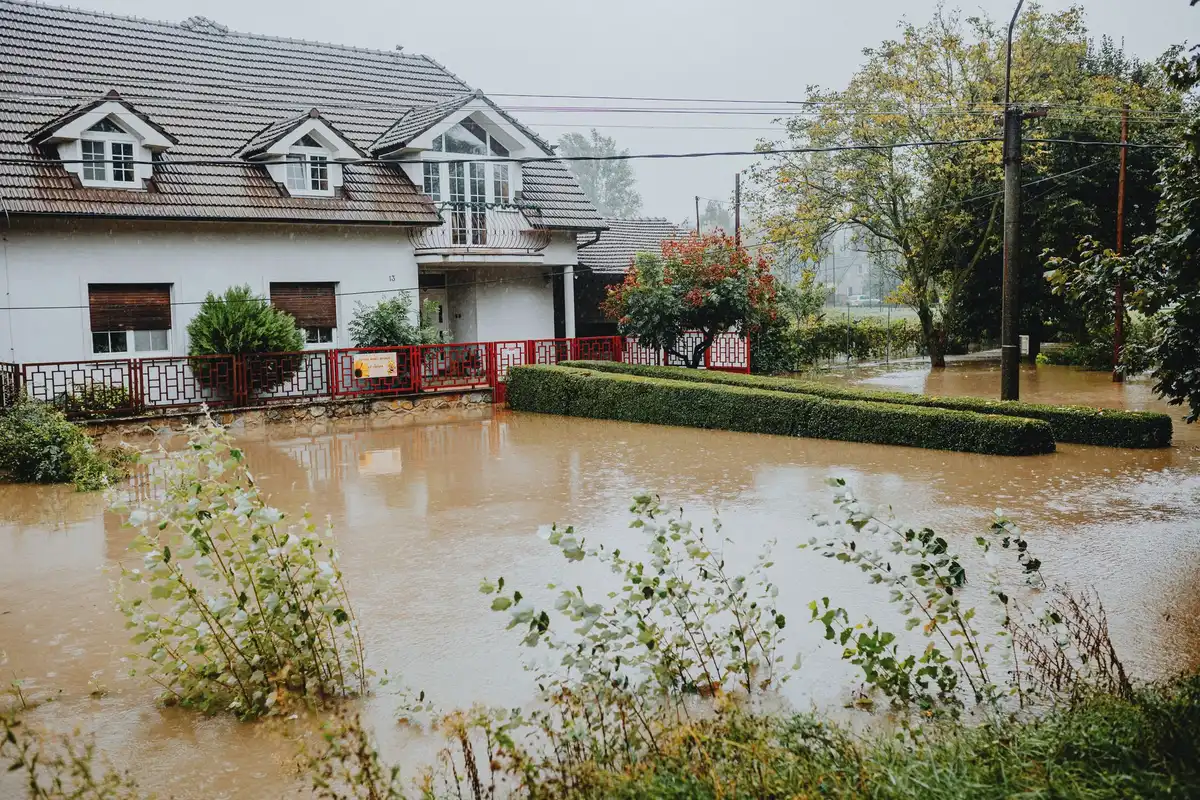
Bonnaroo organizers have announced the festival will not take place in 2027, citing repeated storm damage at the Manchester, Tennessee, site and a need to let the property recover. The decision follows multiple years of weather disruptions that have strained infrastructure and forced lineup changes.
Reasons behind the 2027 hiatus and what organizers said
Sharon Stone lashes out at Sliver movie days after Billy Baldwin’s scathing attack
Donald and Melania Trump holding hands: body language experts spot surprising detail
Event producers described the pause as a deliberate step to preserve the 700-acre Bonnaroo Farm. They called it a “much-needed year off” for the grounds and staff. Organizers said decisions were informed by the back-to-back impact of severe weather seasons.
In their statement, the team stressed the break is meant to repair and reinforce the main venue and campground areas. They emphasized that taking time now should improve future festival operations.
Storms, damage and the immediate effects on this year’s event
Weather that derailed final-day performances
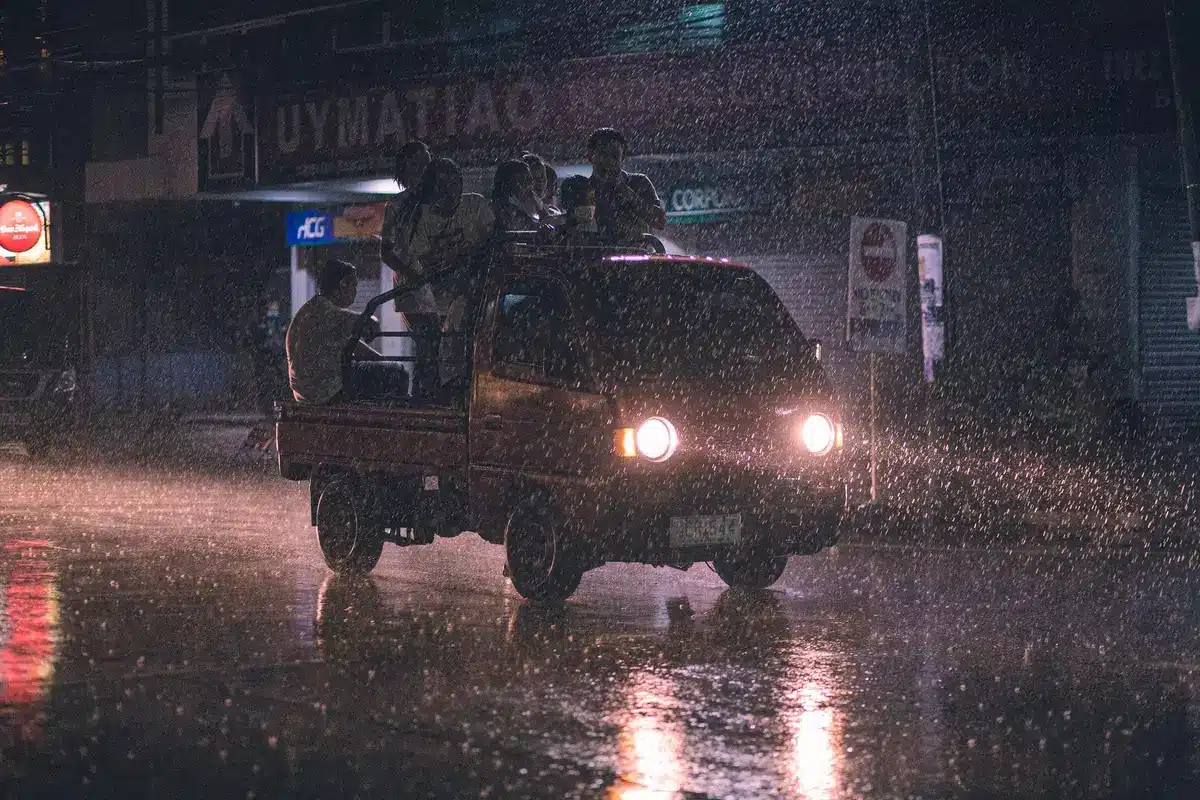
Heavy storms hit the site during the most recent festival, disrupting the final day. Several artists were unable to perform after safety concerns and rapid weather changes.
- Aly & AJ, Trombone Shorty and TV Girl canceled their sets on the final day.
- The festival had completed its weekend dates with major headliners but still faced consequences from the storms.
Investments made before 2026 and why they fell short
Promoters invested in upgrades to harden the Farm against bad weather. Despite that work, the site still suffered under severe conditions.
- Improved drainage systems across key areas.
- About 4.5 miles of new roadways to ease access and runoff.
- Some 135 acres reseeded or sodded with new grass to stabilize surfaces.
Organizers said these measures increased resilience, but not enough to avoid the recurring problems brought by intense rain events.
How climate patterns may influence future plans
Meteorologists expect an active early season next year as El Niño strengthens. That forecast factored into the decision to step away in 2027, according to local reporting.
Past cancellations and the festival’s resilience
Bonnaroo has had prior interruptions, some weather-related and others due to broader crises.
- 2025: The festival was canceled after one day because of flooding.
- 2021: Events were postponed or canceled amid the pandemic and storm threats.
- 2020: The live-music shutdown during COVID-19 halted the festival.
The festival first launched in 2002 and has since become a major annual draw, routinely attracting around 80,000 attendees to Manchester.
Notable acts and the festival’s cultural footprint
Over the years Bonnaroo has hosted global superstars and rising talents. Headliners have included artists from multiple genres who helped define its reputation as a destination festival.
- Past marquee performers: Paul McCartney, Beyoncé, Radiohead, Eminem, U2, Bruce Springsteen, Elton John and others.
- Recent 2026 bill: The Strokes, Noah Kahan, “Weird Al” Yankovic and Kesha performed across the weekend.
What the pause means for fans, workers and the local economy
Locals, vendors and seasonal employees are likely to feel the impact of a year without Bonnaroo. The event generates substantial revenue for the Manchester region.
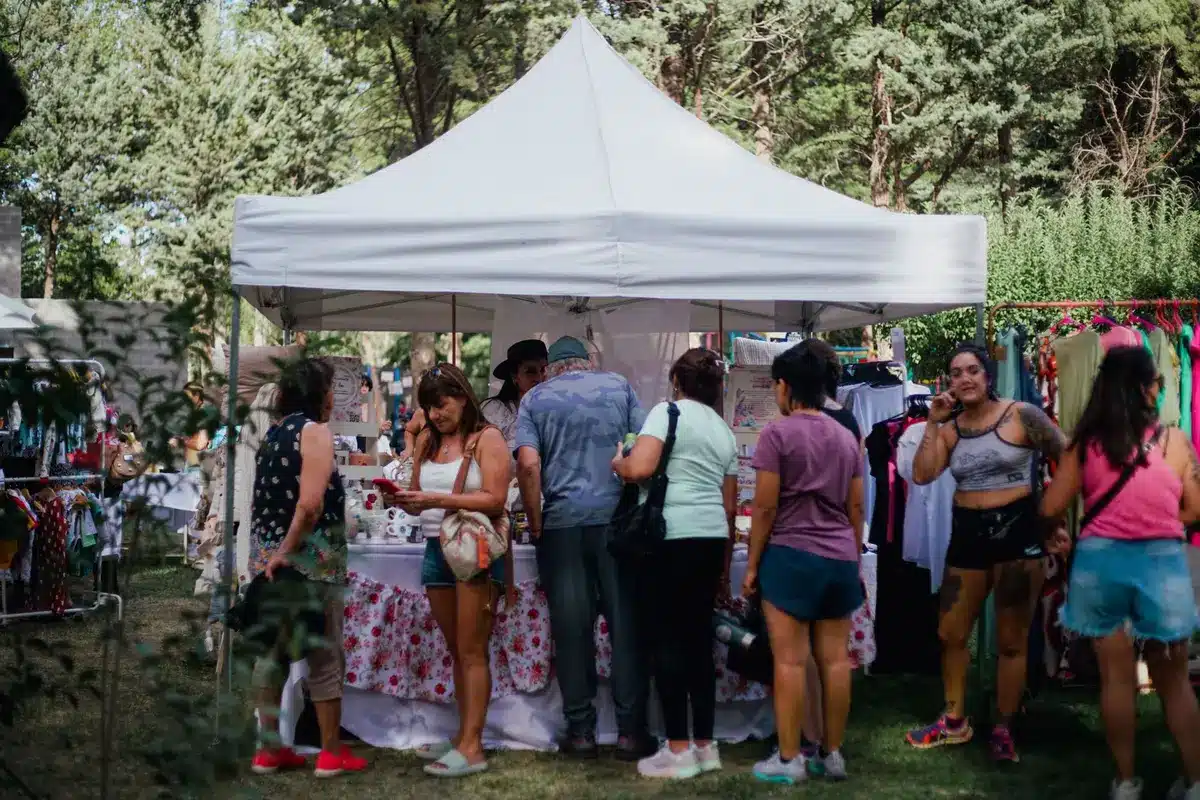
- Local businesses typically benefit from festival tourism.
- Seasonal staff and contractors will lose a major source of seasonal work.
- Organizers will use the break to plan repairs and future mitigation steps.
Next steps the festival has signaled
The Bonnaroo team said the hiatus is a chance to let the Farm recover and to enhance long-term resilience. They framed the decision as an investment in the festival’s future health.
Fans have been advised to keep an eye on official channels for updates on 2028 plans, ticketing policies and any community outreach tied to the restoration work.