Show summary Hide summary
- Why Courmayeur and the Aosta Valley Are Trending Among U.S. Travelers
- What Makes Courmayeur Different From the Dolomites and Swiss Alps
- New Entry Rules for Americans Visiting Europe
- Skyway Monte Bianco and Other High-Altitude Must-Dos
- Lake Miage: Italy’s Less Crowded Alpine Gem
- Timing Your Trip: Peak, Shoulder, and Closure Dates
- Safety in Courmayeur and the Alpine Zone
- Culture and History: Roman Aosta and Courmayeur’s Village Centre
- Estimated Fall Costs: What to Budget for 2026
- How to Reach Courmayeur From the United States
- Essential Practical Tips for Your Visit
- Best Short Excursions and Local Flavors to Try
Courtship with Italy often starts on sunlit coasts and historic piazzas. Lately, though, a different lure is pulling American travelers north: jagged peaks, quiet larch forests, and an uptick in visits to the Mont Blanc foothills. What was once a niche Alpine escape is becoming a top pick for U.S. visitors seeking mountains, autumn color, and alpine charm.
Why Courmayeur and the Aosta Valley Are Trending Among U.S. Travelers
Recent data from the serviced-apartment operator Halldis by Vita shows a clear uptick: American overnight stays around Mont Blanc rose by over 23% in the 2025–2026 winter season. That surge reflects more than curiosity. Visitors are chasing quieter slopes, dramatic scenery, and value compared with some Swiss and French resorts.
Heated rivalry future revealed: gay hockey romance teases second season
Tony Shalhoub avoided Hollywood spotlight: daughter reveals surprising reason
Courmayeur sits at the Italian foot of Mont Blanc and feels like a village that quietly became one of Europe’s great mountain destinations. With roughly 2,500 residents, the town balances small-town atmosphere with high-altitude adventure.
What Makes Courmayeur Different From the Dolomites and Swiss Alps
The Aosta Valley blends big-mountain drama with approachable access.
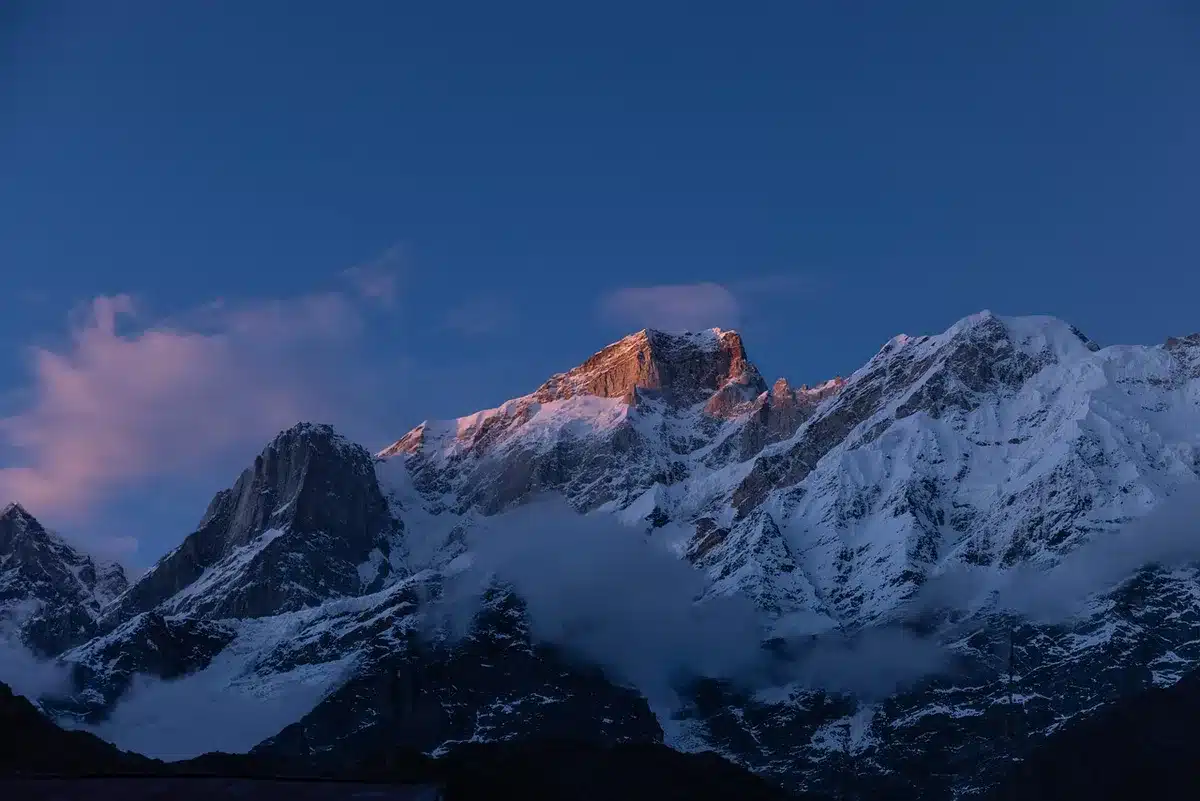
- Landscape: Glaciers, big granite walls, and alpine meadows make for panoramic hiking and serious skiing.
- Pace: Fewer day-trippers than Dolomites hot spots means more room on trails and lakeside paths.
- Cost: Shoulder-season rates can be noticeably lower than comparable Swiss cable-car attractions.
Beyond skiing, the area proves exceptional for autumn visits. Larch forests turn amber and copper, and valley trails open direct views of the Grandes Jorasses and other massif giants.
New Entry Rules for Americans Visiting Europe
Before booking, make sure entry requirements are current. The EU rolled out a revamped border system that affects all non-EU arrivals, including U.S. passport holders.
- First-time arrivals are now processed through the Entry/Exit System.
- Authorities record a facial image and fingerprints for border logs.
- The system helps enforce the visa-free allowance of 90 days within any rolling 180-day period.
Since deployment, more than 44,000 travelers have been denied entry for reasons ranging from missing booking details to prior overstays or document concerns. Use an official Entry Requirement Checker and carry proof of accommodation and travel plans.
Skyway Monte Bianco and Other High-Altitude Must-Dos
The region’s headline attraction is the Skyway Monte Bianco. This rotating cable car climbs to Punta Helbronner, offering a 360-degree panorama of glacier fields and three countries’ peaks.
Online return fares for 2026 hover at about €59 (roughly $69) in normal windows. That price often undercuts similar Swiss high-altitude cable experiences.
Other viewpoints and short hikes worth your time
- Val Ferret: a favorite for leaf-peeping and riverside walks.
- Punta Helbronner terraces: best for panoramic photos and quick glacier access.
- Local alpine trails: accessible from town and fit for varied fitness levels.
Lake Miage: Italy’s Less Crowded Alpine Gem
Lago di Miage offers glacial-blue water, dramatic peaks, and far fewer crowds than the famous Dolomites lakes. It’s a quieter, more contemplative alternative for photographers and hikers.
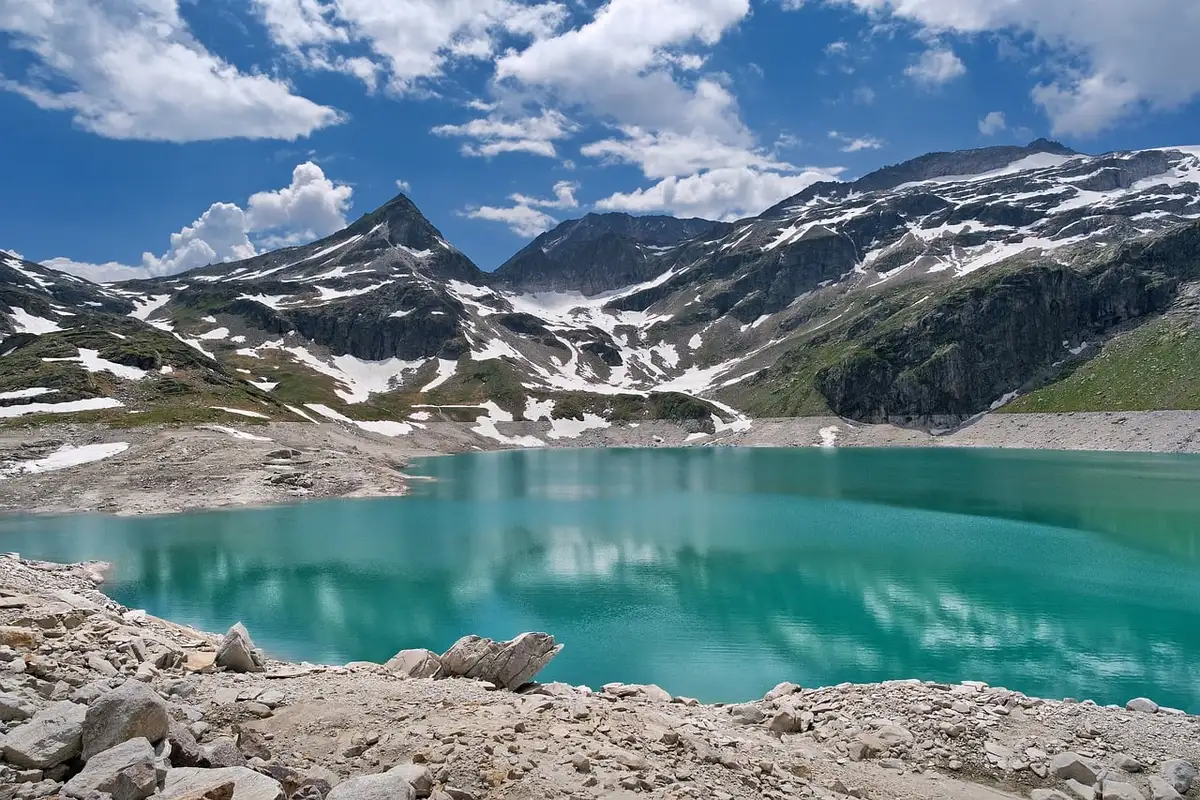
If you visit in mid-summer, look for Cabane du Combal, a small refuge by the trail that serves hearty mountain dishes. Outside summer months, bring a picnic and enjoy the solitude.
Timing Your Trip: Peak, Shoulder, and Closure Dates
Autumn in the Aosta Valley is a shoulder season with both perks and limits.
- Many summer lifts and huts begin closing in late August into September.
- Some mountain refuges shut for the season in September.
- Skyway Monte Bianco traditionally stays open through mid-November, then reopens for winter.
Plan your trip to match the experiences you want. Early fall delivers full foliage and open trails. Later in the season, expect fewer services but dramatic light and quieter trails.
Safety in Courmayeur and the Alpine Zone
Crime is not the primary concern here. The Aosta Valley ranks among Italy’s least risky regions for travelers. Streets are tidy, and local towns are calm after dark.
That said, the real hazards are natural:
- Rapid alpine weather changes
- Steep terrain and exposure on high trails
- Seasonal lift and refuge closures that can affect route options
Always check local forecasts, carry appropriate gear, and let someone know your route for any mountain day-hike.
Culture and History: Roman Aosta and Courmayeur’s Village Centre
Courmayeur offers more than mountains. The stone-built village center and pedestrian Via Roma feature pastel facades, local crafts, and an 18th-century church with a distinctive belfry. It’s a pleasant spot for a stroll after a day outdoors.
About 35 kilometers down-valley, the compact Roman city of Aosta houses:
- An impressively preserved Roman theatre.
- The Arch of Augustus and the Praetorian Gate.
- Ruins that pair well with mountain panoramas for a full-day cultural loop.
Estimated Fall Costs: What to Budget for 2026
Prices vary by date and booking window, but here’s a rough picture based on current rates and typical exchange values.
- Mid-range hotel or mountain lodge: $163–$256 per night for a double.
- October average hotel: around $208 per night.
- Basic B&B or guesthouse: $105–$163 per night.
- Three-course dinner: $52–$76 per person.
- Traditional alpine dishes like fondue or raclette: $29–$35.
- Pasta or polenta main: $21–$33.
- Coffee: $2–$3. Aperitivo or a glass of wine: $8–$14.
- Skyway Monte Bianco return ticket: roughly $69 online.
How to Reach Courmayeur From the United States
The most straightforward routing is to fly into a major northern-Italy hub, then transfer to regional transport.
- Fly into Milan Malpensa or Milan Linate, or connect through a major European airport.
- Turin is the closest major Italian city by road and rail, roughly a 2.5-hour drive away.
- FlixBus runs direct coaches from Turin and Milan to Courmayeur. Typical travel times: 2.5–3 hours.
- Driving from Milan Malpensa covers about 123 miles and takes roughly 2–3 hours, depending on traffic.
Coach fares often start from about $20–$30 each way. Renting a car adds flexibility but consider mountain roads and winter driving conditions if traveling in colder months.
Essential Practical Tips for Your Visit
- Verify EU entry status and your 90/180 calculation long before departure.
- Book Skyway tickets and popular activities in advance for busy dates.
- Pack layers for alpine weather and sturdy shoes for trails.
- Check shuttle and lift schedules; many services change in shoulder months.
- Carry cash for small mountain refuges; card acceptance can be limited.
Best Short Excursions and Local Flavors to Try
Plan for a mix of scenic viewpoints, short hikes, and culinary stops.
- Drive or hike into Val Ferret for autumn color and river walks.
- Visit Lago di Miage for reflections and quiet beaches.
- Sample regional dishes: hearty polenta, local cheeses, and alpine soups.
- Explore Aosta’s Roman sites for a cultural day away from the peaks.