Show summary Hide summary
- Grutas Tolantongo: Stepped thermal pools in Hidalgo
- Hierve el Agua: Calcified waterfalls and cliff-edge pools (Oaxaca)
- Las Pozas: Surrealist concrete gardens in Xilitla (San Luis Potosí)
- Las Coloradas: The famous pink lagoons of the Yucatán
- Cave of the Swallows: A vertical abyss in the Huasteca (San Luis Potosí)
- Prismas Basálticos: Hexagonal basalt cliffs and waterfalls (Hidalgo)
- El Nido de Quetzalcóatl: The organic architecture of the snake house (State of Mexico)
- Underwater Museum of Art (MUSA): Scuba the submerged sculptures (Quintana Roo)
- Hidden Beach, Marietas Islands: A secret crater beach near Puerto Vallarta (Nayarit)
Mexico keeps surprising even seasoned travelers. Swap another resort pool for volcanic thermal waters, pink salt lakes, and a snake-shaped house. I chased nine places across the country that feel like scenes from a dream. Below are practical details, vivid descriptions, and travel tips to help you plan visits to these surreal Mexican landscapes.
Grutas Tolantongo: Stepped thermal pools in Hidalgo
Howard Stern’s wife Beth breaks silence on his surprise HBO move
Brooks Nader reveals bizarre reason she ditched bikini top on boat with dad
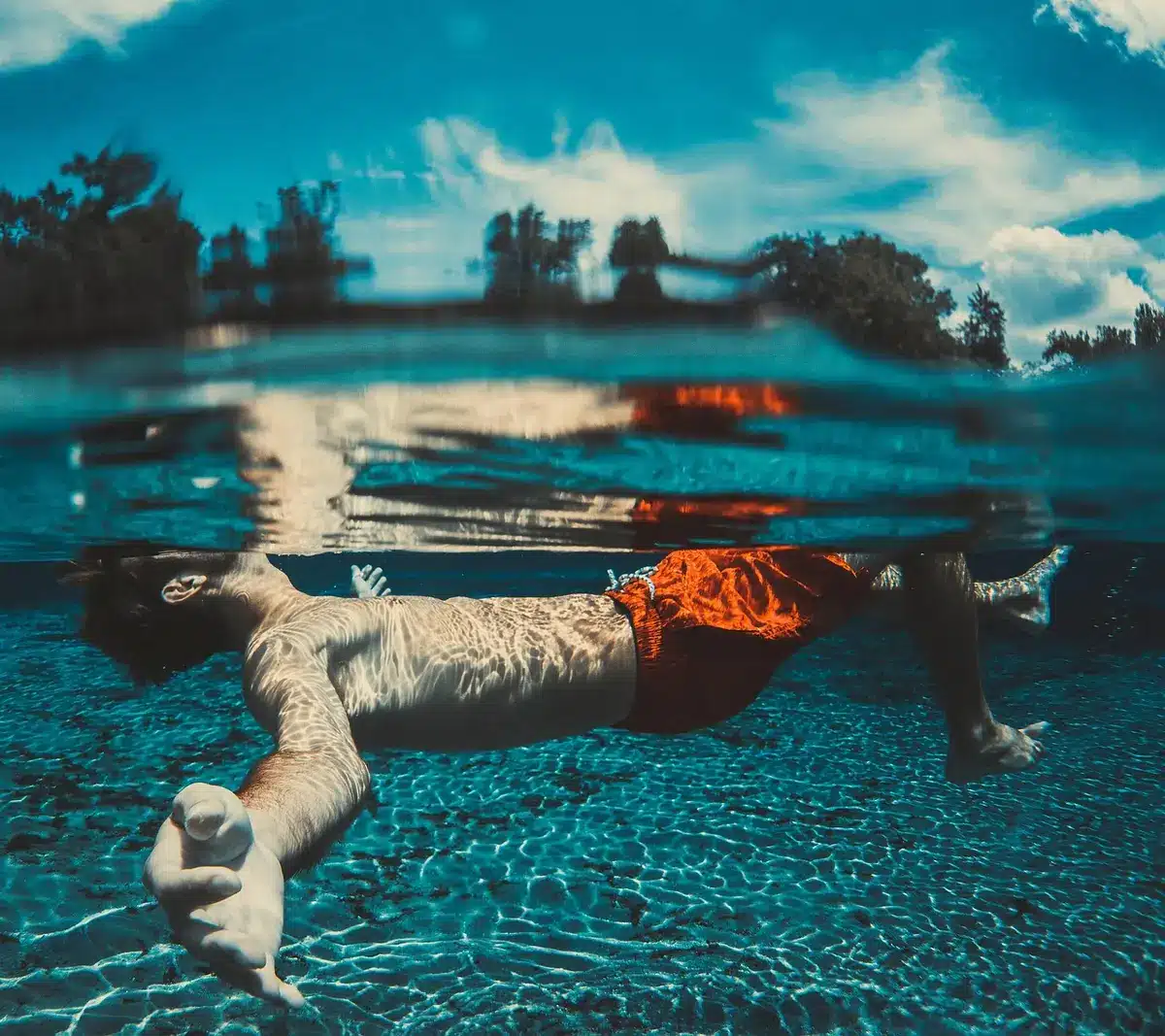
Inside a narrow limestone canyon, a sequence of warm, blue terraces spills down the cliff. The pools are fed by geothermal springs and look like natural infinity tubs carved by time. The canyon also offers caves, a turquoise river, and native hospitality.
Getting there
- Fly into Mexico City or Querétaro.
- Expect a scenic drive of roughly three hours by rental car or private shuttle.
Cost and on-site tips
- Entrance runs about 230 MXN (~$12 USD) per day.
- The canyon largely operates on a cash-only system—bring pesos.
- Arrive early to beat crowds and catch the best light for photos.
Hierve el Agua: Calcified waterfalls and cliff-edge pools (Oaxaca)
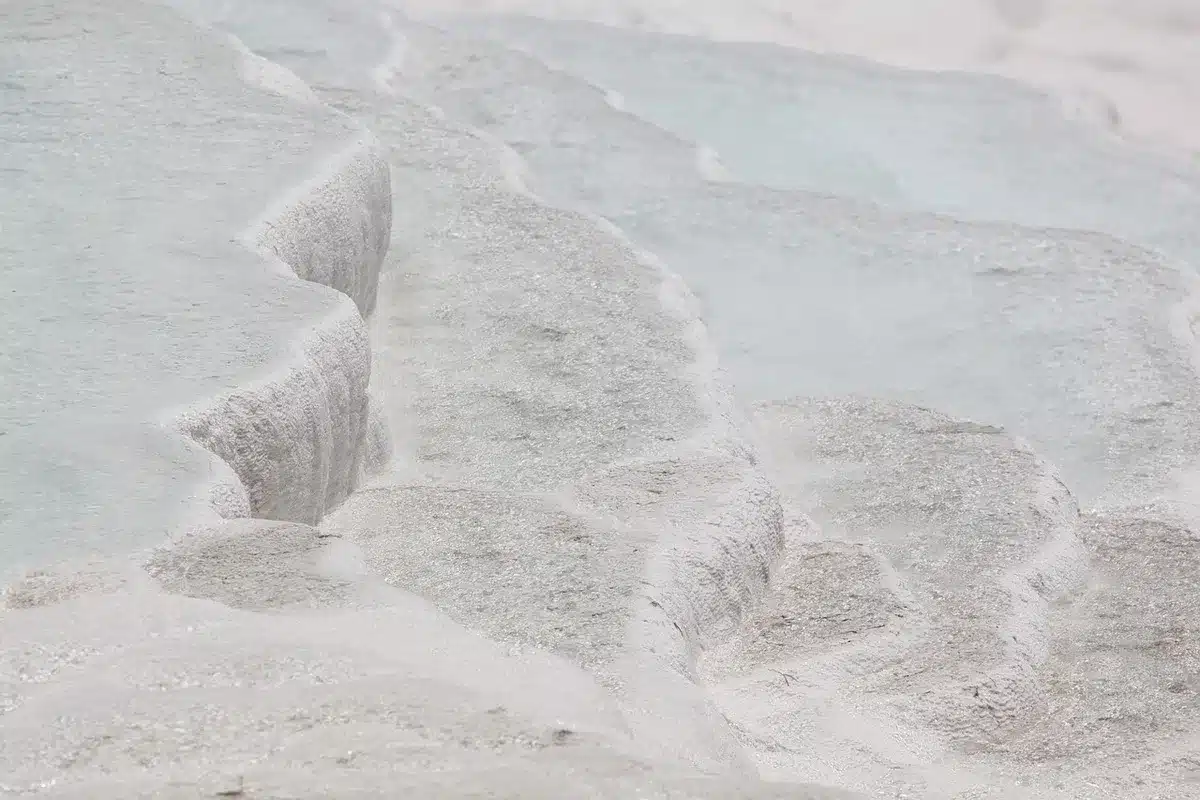
A pair of white, petrified cascades drape over a mountainside. These are mineral terraces formed by centuries of mineral-rich springs. Trails lead to viewpoints, and shallow natural pools perch at the rim with sweeping valley panoramas.
Getting there
- Fly into Oaxaca and join a guided shuttle or rent a car.
- Shared shuttles from the city cost around $20 USD.
Cost and visitor advice
- Local access fees are modest, near 70 MXN (~$4 USD).
- Bring sturdy shoes for rocky trails and sunscreen for exposed viewpoints.
Las Pozas: Surrealist concrete gardens in Xilitla (San Luis Potosí)
In a humid jungle valley, dreamlike concrete structures rise among waterfalls and dense vegetation. Built by an eccentric British patron, the park mixes stairways that lead nowhere with giant floral columns and secret patios. It feels like walking inside a surreal painting.
Getting there
- Fly into Tampico or San Luis Potosí, then drive toward the Huasteca Potosina.
- The final stretch climbs into misty, forested hills.
Admission and planning
- Tickets are roughly 150 MXN (~$8 USD).
- Book online when possible to ensure entry and guided options.
- Allow time to wander: the site rewards slow exploration and surprise discoveries.
Las Coloradas: The famous pink lagoons of the Yucatán
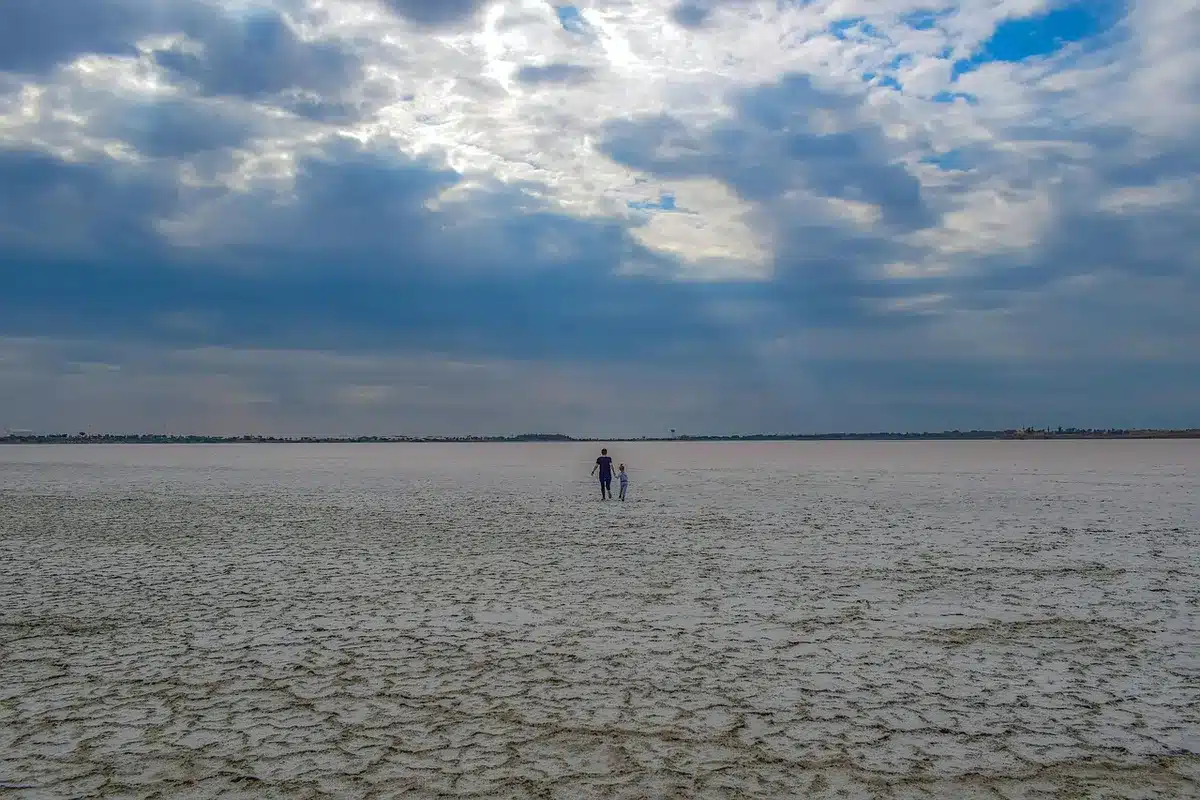
Vivid pink salt ponds sit beside blinding white flats. The color comes from salt-loving microorganisms and intense salinity. The surreal contrast between the neon water and pale crust makes this a photographer’s dream.
How to visit
- Use Mérida or Cancún as travel hubs and plan a road trip across the peninsula.
- Guided visits are usually required to protect the ecosystem.
Rules and fees
- Entrance is often paired with a guided walk and costs about 300 MXN (~$16 USD).
- You cannot swim in the lagoons—respect the protected habitat.
Cave of the Swallows: A vertical abyss in the Huasteca (San Luis Potosí)
This sinkhole plunges more than a thousand feet, creating a dramatic vertical chamber. At sunrise and sunset, thousands of birds spiral in and out of the darkness. The effect is both eerie and mesmerizing.
Visit logistics
- Fly to Tampico or San Luis Potosí and drive into the mountains.
- The cave is close to the town of Aquismón, making it easy to combine with other Huasteca stops.
Fees and safety
- Local caretakers typically charge around 100 MXN (~$5 USD).
- Observe from designated viewpoints; the sinkhole rim can be hazardous.
Prismas Basálticos: Hexagonal basalt cliffs and waterfalls (Hidalgo)
Rows of six-sided basalt columns rise like a sculpted staircase. They formed when volcanic lava cooled slowly and broke into geometric pillars. Waterfalls cascade over the dark stones into a deep, ferned ravine.
Getting there
- A two-hour drive north from Mexico City brings you to Huasca de Ocampo.
- Combine the visit with neighboring natural attractions for a full-day itinerary.
Entry and tips
- Gate admission is about 100 MXN (~$5 USD).
- Wear non-slip shoes; the rocks can be slippery when wet.
El Nido de Quetzalcóatl: The organic architecture of the snake house (State of Mexico)
A sinuous building winds through forest like a living creature. Designed by Javier Senosiain, the complex blends curved walls, stained glass, and garden courtyards into an immersive, almost psychedelic habitat.
Where to find it
- Located in Naucalpan, a short ride from central Mexico City.
- Easy to reach by Uber or taxi for a half-day visit.
Access and cost
- The site is privately operated; most visitors stay in on-site apartments.
- Short-term rentals to sleep inside the construction typically start near $350 USD per night.
Underwater Museum of Art (MUSA): Scuba the submerged sculptures (Quintana Roo)
Beneath Caribbean waves, hundreds of life-size sculptures create an underwater gallery. Over time coral and fish reclaim the forms, turning the exhibit into a living reef. Snorkelers and divers can glide among the statues.
How to see it
- Launch from Cancún or Isla Mujeres.
- Both snorkel tours and scuba trips are widely available from local dive shops.
Costs and recommendations
- Snorkel boat tours are commonly $45–$60 USD.
- Scuba dives typically run near $100 USD, depending on equipment and certification needs.
- Book certified operators and inquire about reef-friendly rules before going in.
Hidden Beach, Marietas Islands: A secret crater beach near Puerto Vallarta (Nayarit)
Playa del Amor sits inside a collapsed volcanic dome, reachable only by swimming through a short sea tunnel. Once inside, sunlight floods a round, sheltered white-sand beach. The sensation of discovery is immediate.
How to reach the beach
- Authorized tours depart daily from Puerto Vallarta and nearby marinas in Punta Mita.
- Access requires a short swim through a cave opening—be comfortable in the water.
Regulations and pricing
- The federal government limits daily visitor numbers to protect the reef.
- Authorized tours generally cost between $100–$150 USD per person.
- Book ahead during high season—spaces fill fast.