Show summary Hide summary
- Why sporting events are redefining demand for flights
- How airlines respond: capacity tweaks and route changes
- Pricing shifts and revenue strategy during sports peaks
- Charters, group sales and partnerships with clubs
- Local economies and airport operations feel the ripple
- Traveler patterns: how fans book and move
- Which routes and airports are most affected
- Airlines’ planning tools and data signals
- What travelers should know when booking around games
- Industry trends pointing to long-term change
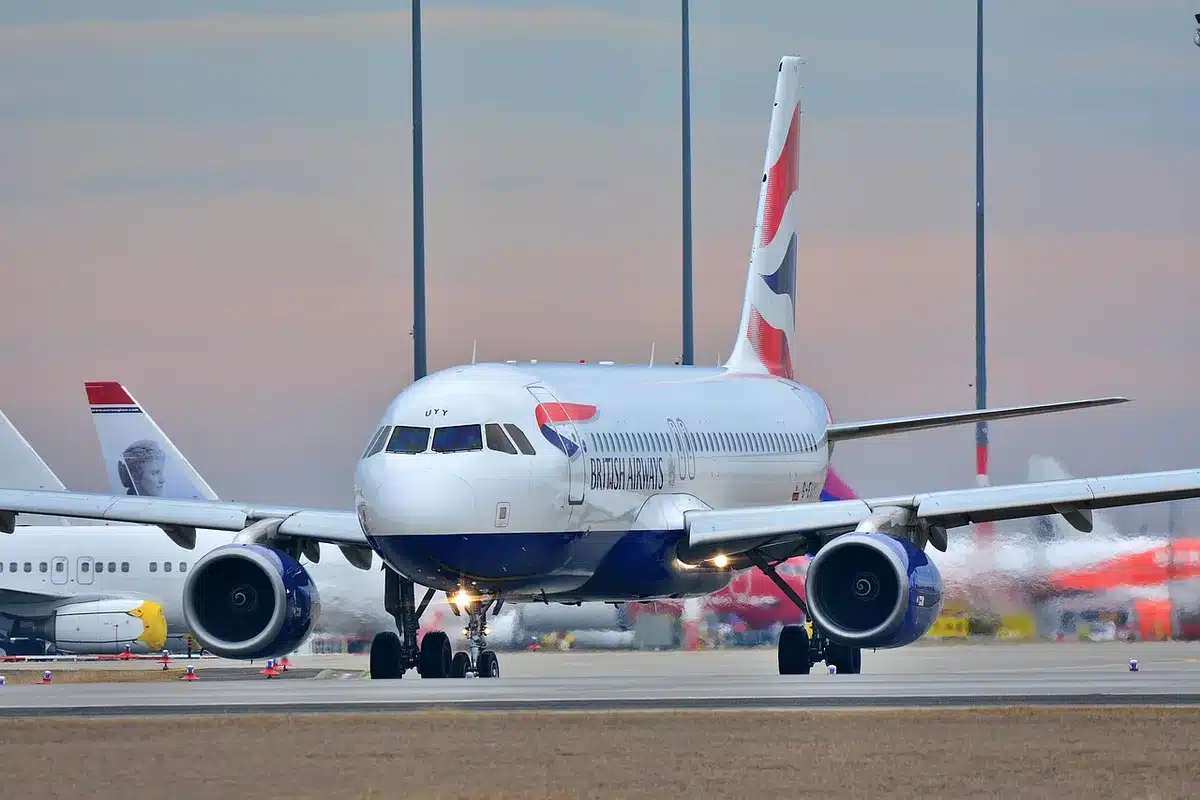
Air travel is picking up a competitive edge thanks to stadiums, arenas and playoff dates that now shape airline schedules. Fans are booking flights like concertgoers, turning team calendars into travel calendars and prompting carriers to rethink where and when they fly.
Why sporting events are redefining demand for flights
Howard Stern’s wife Beth breaks silence on his surprise HBO move
Brooks Nader reveals bizarre reason she ditched bikini top on boat with dad
Major games, playoff series and rival matchups drive concentrated spikes in passenger demand. When marquee teams play, cities see sudden surges in inbound travelers. That pattern resembles what happened with large concert tours, but with a calendar set by leagues and tournaments.
- Weekend clusters: Most big events fall on weekends, creating heavy demand for Friday evenings and Sunday returns.
- Week-long runs: Multi-game series force fans to stay and extend trips, increasing hotel and flight stays.
- Geographic pull: Rivalries and playoff rounds funnel fans to specific hubs and secondary airports.
How airlines respond: capacity tweaks and route changes
Carriers are tweaking schedules to match event calendars. They often add frequency, deploy larger aircraft, or temporarily bring back seasonal routes.
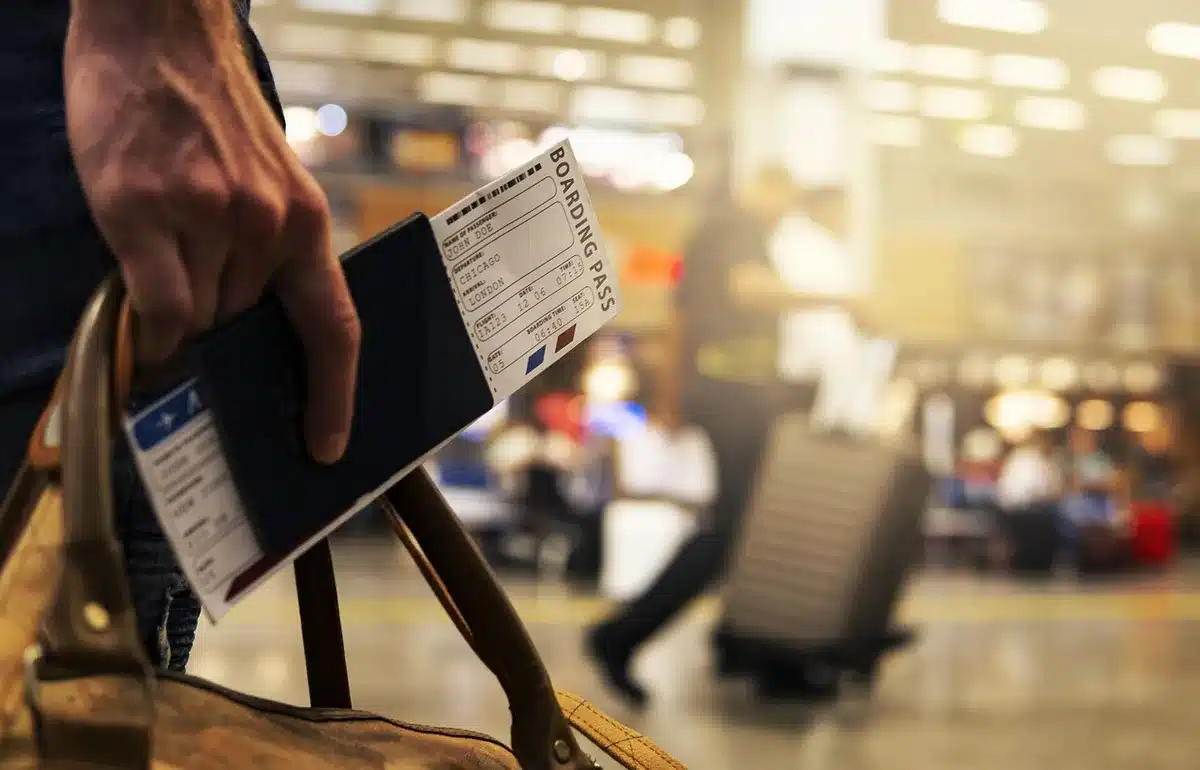
Operational moves you may notice
- Extra flights on game days and the day after big events.
- Temporary up-gauging to widebodies or larger narrowbodies for high-demand legs.
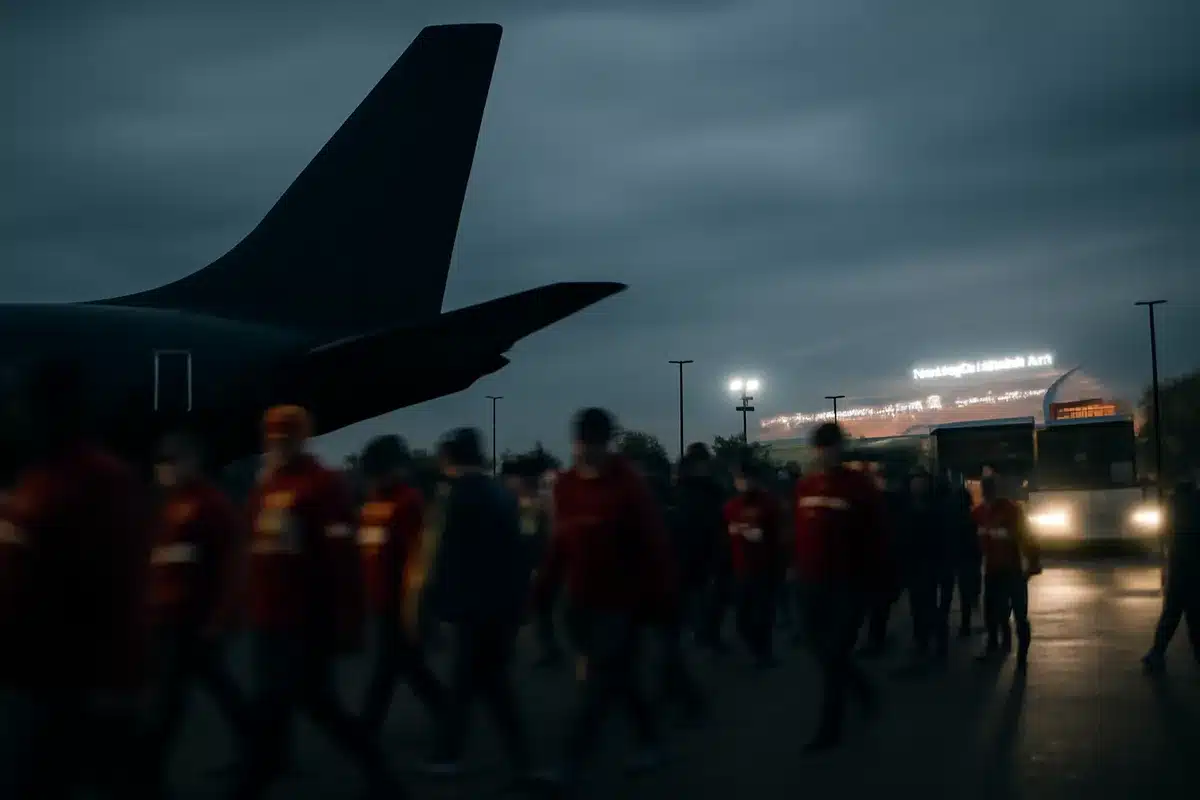
- Special charters arranged for teams and large fan groups.
- Dynamic reallocation of aircraft from low-demand markets.
These adjustments can reduce cancellations and help carriers capture higher fares while keeping load factors strong.
Pricing shifts and revenue strategy during sports peaks
Seat prices often spike in the run-up to major events. Airlines use demand-based pricing to capture value but also offer targeted promotions to maintain loyalty member goodwill.
- Surge pricing: Fares generally rise as seats sell out near game dates.
- Fare buckets: Carriers may release limited inventory at lower prices early on.
- Loyalty perks: Airlines sometimes grant bonus miles or upgrades linked to event travel.
Charters, group sales and partnerships with clubs
Beyond scheduled flights, charters and bulk bookings are becoming common. Teams, fan clubs and travel agencies secure blocks to guarantee travel for large groups.
- Clubs buy blocks for road trips and postseason runs.
- Airlines offer tailored charters for corporate partners and VIPs.
- Co-branded promotions appear around marquee games and finals.
Local economies and airport operations feel the ripple
When big events land, hotels, rental cars and ground transport see sharp upticks. Airports adjust staffing and security lanes to handle the influx.
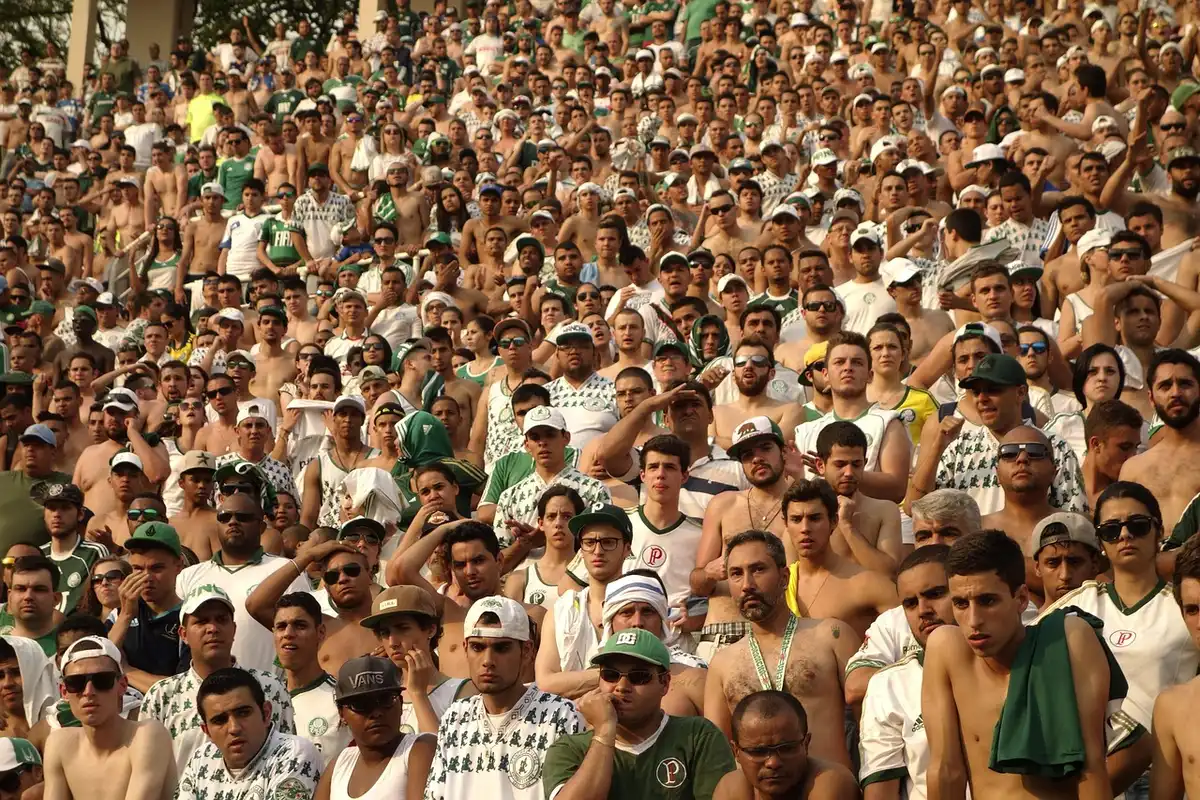
City-level impacts
- Restaurants and retail benefit from higher foot traffic.
- Short-term rental platforms often sell out faster than hotels.
- Traffic and public transit demand spike around stadiums.
Traveler patterns: how fans book and move
Fan travel shows distinct booking habits. Many buy flights months ahead for playoff hopes. Others wait, betting on schedule clarity or last-minute ticket wins.
- Early commitments: Season-ticket holders often lock in travel early.
- Flexible itineraries: Travelers prefer refundable fares or flexible tickets.
- Multi-leg trips: Fans combine games with leisure travel to justify higher fares.
Which routes and airports are most affected
Hubs linked to major teams or cities hosting tournaments see the largest shifts. Secondary airports near stadiums also gain temporary traffic as travelers look for convenience.
- Major hubs during playoffs and finals.
- Regional airports hosting neutral-site games.
- Leisure destinations paired with marquee events.
Airlines’ planning tools and data signals
Carriers rely on ticketing patterns, search data and team schedules to forecast demand. They coordinate closely with venue calendars and local authorities.
- Search-and-booking trends indicate hot routes early.
- Airport and ground handling teams prepare for passenger surges.
- Fleet planners reposition aircraft based on projected demand.
What travelers should know when booking around games
- Book early to secure seats and lower fares.
- Check flexible ticket options for date changes.
- Consider nearby airports to reduce cost and time.
- Reserve hotels and ground transport alongside flights.
Industry trends pointing to long-term change
Sports-driven travel is moving from an occasional spike to a predictable demand stream for airlines. That shift affects route planning, partnerships and seasonal scheduling.
As teams expand international play and leagues add neutral sites, carriers are likely to keep refining strategies to grab sports fans.