Show summary Hide summary
- Why the Terminal 1 launch moved to early 2027
- What the new Terminal 1 will offer passengers
- How airlines and operations will be affected
- Impact on travelers and booking decisions
- Timeline, testing, and safety checks before opening
- Connections, ground transportation, and passenger flow
- Economic and community considerations
- Environmental and design features to expect
- What to watch next
New delays at New York’s John F. Kennedy International Airport mean travelers will have to wait longer to see the revamped Terminal 1. What was billed as a major modernization now has a new opening window: early 2027. The setback reshapes plans for airlines, passengers, and the Port Authority’s wider airport overhaul.
Why the Terminal 1 launch moved to early 2027
Officials point to a mix of construction setbacks and supply chain problems as the primary reasons for the pushback. Complex projects at busy airports often face unpredictable hurdles.
Heated rivalry future revealed: gay hockey romance teases second season
Tony Shalhoub avoided Hollywood spotlight: daughter reveals surprising reason
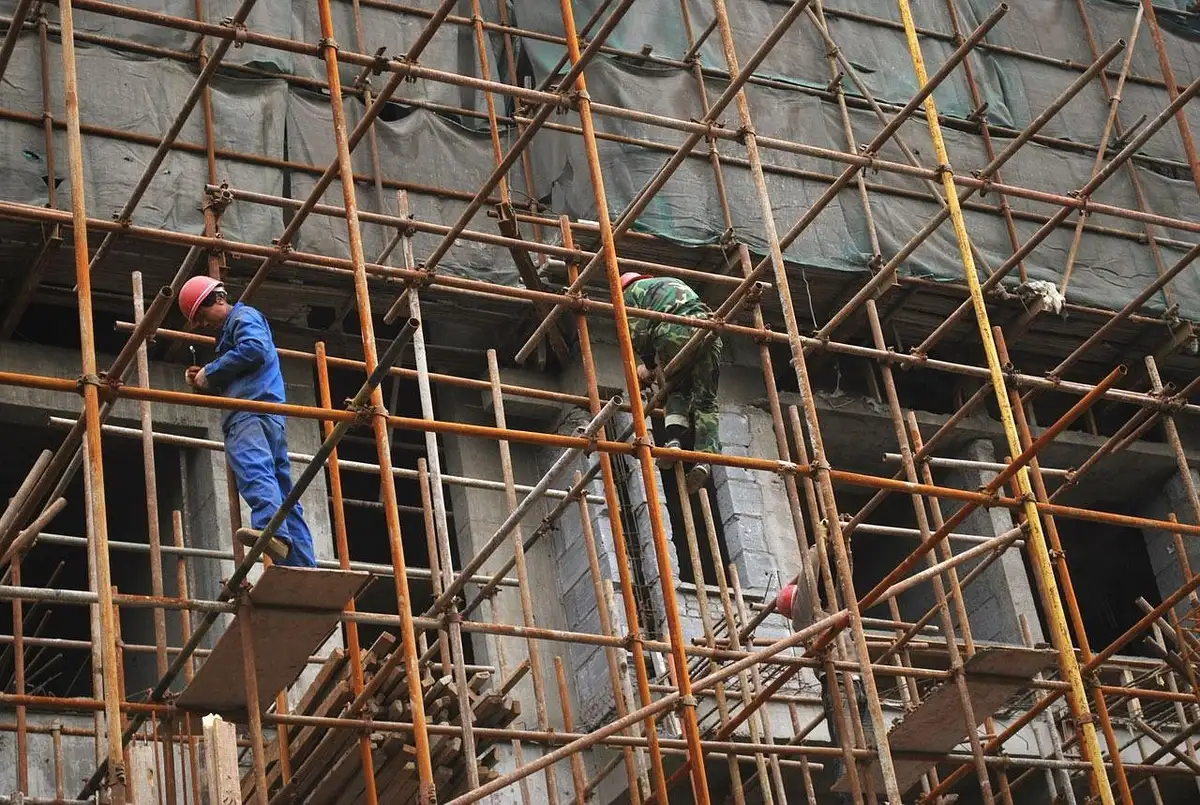
- Ongoing work on structural and systems integration has taken longer than anticipated.
- Delays in equipment deliveries and specialized materials slowed key installations.
- Coordination with multiple contractors and stakeholders introduced scheduling conflicts.
The new target—early 2027—reflects a conservative timetable intended to reduce further disruption during handover and testing phases.
What the new Terminal 1 will offer passengers
The remodeled facility is designed to bring modern conveniences and faster processing for international and domestic fliers. Expect upgraded security lanes, more concession space, and streamlined circulation.
- Expanded check-in and baggage systems to reduce wait times.
- Improved customs and immigration processing areas for international arrivals.
- A broader selection of retail and dining aimed at diverse travelers.
- Enhanced accessibility features and clearer wayfinding throughout the terminal.
Travelers should notice a smoother, more modern experience compared with the older terminals at JFK.
How airlines and operations will be affected
Carriers scheduled to move into the new Terminal 1 will have to extend their current gate assignments. That creates operational ripple effects for flight scheduling and ground handling.
- Temporary gate allocations may remain in place longer than planned.
- Airlines could face additional costs tied to extended leases or logistics changes.
- Coordination with ground services and catering will be adjusted to match the new handoff date.
Airlines and airport operators are revising their migration plans to avoid service disruptions when the terminal finally opens.
Impact on travelers and booking decisions
For passengers, the delay means current terminal configurations and transfer patterns will persist. Travelers should check their itineraries closely for terminal assignments.
- Review flight confirmations for terminal information before arriving at the airport.
- Allow extra time for connections while current facilities remain in use.
- Follow airline and airport updates for any interim changes to services.
Those booking travel to or through JFK should monitor notices over the next months as carriers and the Port Authority finalize operational details.
Timeline, testing, and safety checks before opening
Before welcoming passengers, the new Terminal 1 must pass extensive systems testing and regulatory inspections. These steps ensure safety and reliability once operations ramp up.
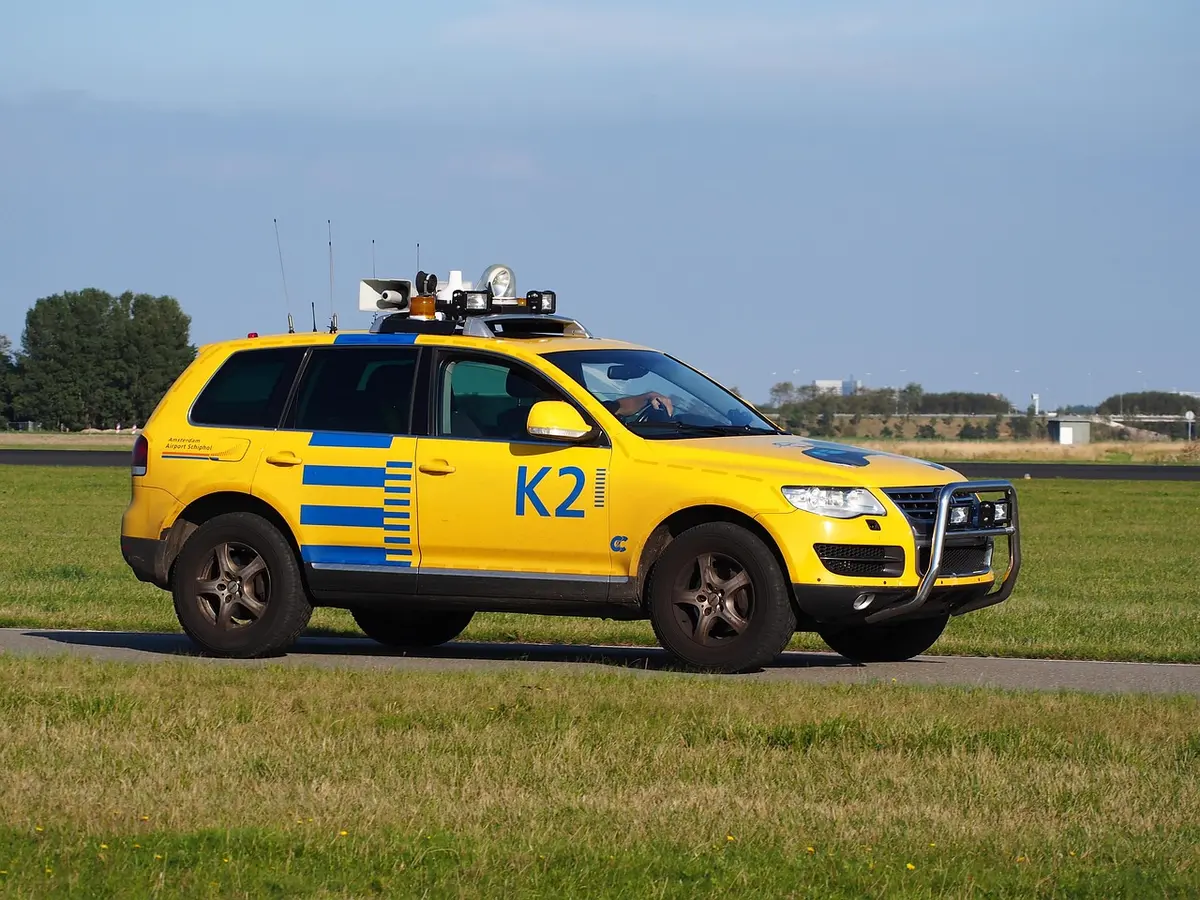
- Systems integration and commissioning of mechanical and electrical equipment.
- Security and safety drills with local agencies and airport partners.
- Operational readiness trials involving airlines, ground handlers, and concessions.
- Final certifications from aviation authorities and the Port Authority.
These validation steps explain why a cautious opening window is necessary and why dates can shift as testing proceeds.
Connections, ground transportation, and passenger flow
Improved links to public transit and car services are part of the broader plan. Planners aim to integrate the terminal with existing roadways, shuttle services, and the airport transit system.
- Designs include clearer drop-off and pick-up zones to cut curbside congestion.
- Signage and pedestrian routes will be optimized for quicker transfers.
- Opportunities to expand public transit access remain under evaluation.
Smoother arrivals and departures are a stated priority for the completed facility.
Economic and community considerations
The project has implications for local jobs and nearby neighborhoods. Construction delays can prolong both disruptions and employment tied to the build.
- Extended construction means more work for contractors and tradespeople.
- Nearby businesses may see delayed benefits from increased passenger footfall.
- Community outreach will continue as work approaches completion.
Stakeholders aim to balance timely delivery with minimizing impact on surrounding areas during the remaining work.
Environmental and design features to expect
Planners say sustainability was a key factor in the terminal’s design. Energy-efficient systems and materials were selected to lower long-term environmental impacts.
- Advanced HVAC and lighting systems to reduce energy use.
- Materials chosen for durability and maintenance efficiency.
- Design elements to improve natural light and passenger comfort.
Environmental performance remains a headline goal for the modernized terminal.
What to watch next
Travelers and industry watchers should expect periodic updates from airport authorities and airlines. Key milestones include completion of electrical and mechanical testing and official certification announcements.
- Check airline emails and JFK official channels for the latest opening notices.
- Monitor press releases for final acceptance dates and transition plans.
- Prepare for operational changes in the weeks leading up to the handover.
Early 2027 is the current opening window, and stakeholders emphasize that safety and readiness will guide final timing.