Show summary Hide summary
- Budget snapshot: What you can expect to pay in Budapest
- Soak beneath the city: Why Budapest’s baths are a must
- Under the streets: The caves and cool-cellar escapes
- Margaret Island: Quiet green space in the heart of the river
- After dark: Ruin bars, markets, and eclectic nightlife
- Danube and monuments: How to see the best waterfront views for less
- Local flavors: Food, pastries, and underrated dishes
- Practical tips for planning your visit
The instant I stepped out of Keleti train station the air felt different—sharp, cold, and somehow honest. My fatigue from travel slipped away as cobbled streets and ornate façades replaced the airport fluorescent blur. Budapest moves at its own pace, with steam rising from hidden springs and a river that cuts the city into two very distinct personalities.
Budget snapshot: What you can expect to pay in Budapest
American Airlines, Starlux expand codeshare deal: more routes and smoother connections
Ed Sheeran’s cousin slams singer after Macklemore free Palestine speech backlash
Budapest surprises many travelers with how far a modest budget will go. The city offers grand experiences without the typical European price tags.
- Thermal bath day ticket: about $30–$35 for a full-day pass, often with private cabin options.
- Hearty goulash at a local canteen: roughly $6–$8, bread included.
- Local draft beer (Soproni or Dreher): around $3.50 inside a ruin bar.
- 24-hour public transit pass: roughly $7 for trams, buses, and the historic metro.
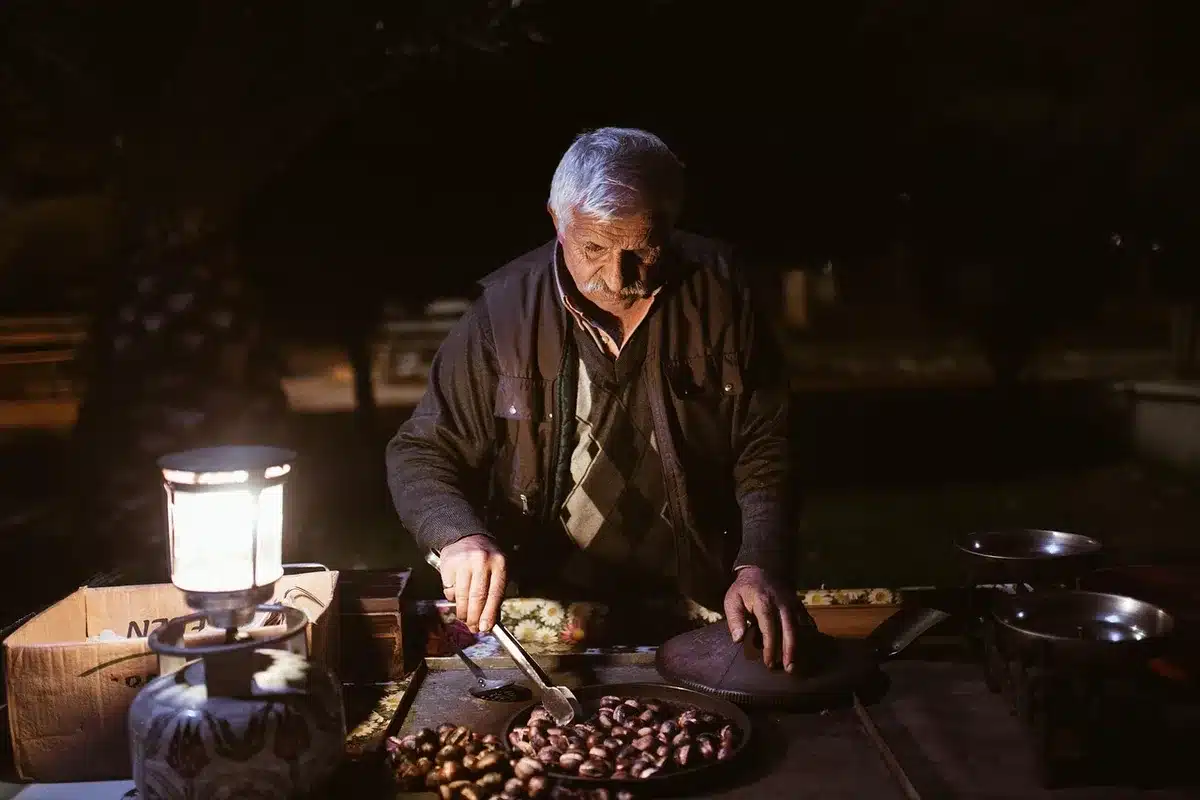
- Chimney cake (Kürtőskalács): $3–$5 from street vendors.
These prices will vary by season, but they illustrate how Budapest blends affordability with memorable, high-quality experiences.
Soak beneath the city: Why Budapest’s baths are a must
Budapest rests on a network of hot springs. Locals and visitors both come to bathe, heal, and socialize in ornate pools.
- Architectural drama: Many baths occupy historic palaces or Ottoman-era structures.
- Spa culture: Thermal water here is rich in minerals like calcium and magnesium.
- Social ritual: Baths are places for conversation, chess, and people-watching.
Top bath picks and what makes each unique
- Széchenyi Thermal Bath — The iconic yellow complex in City Park. Outdoor pools stay warm even in winter.
- Rudas Baths — Ottoman origins and a famous rooftop hot tub. They offer late-night sessions on certain nights.
- Gellért Baths — Stylish Art Nouveau interiors and mosaic tilework.
Editor tip: Skip peak weekend hours at Széchenyi. For a quieter, cinematic soak, try Rudas on a late-night opening.
Under the streets: The caves and cool-cellar escapes
Below the Buda hills lies a maze of limestone caves formed by the same thermal waters. You can go from city sidewalks to silent caverns in minutes.
- Pál-völgyi Cave System — Extensive passages for spelunkers and guided tours that show dramatic stalactites.
- Szemlő-hegyi Cave — Well-lit, paved, and easier to navigate. It’s sometimes called an underground garden.
- Temperature refuge — Caves hold a steady, cool climate year-round, a welcome break in summer heat.
Guided tours range from casual walks to technical routes with ladders and ropes. Choose an option that matches your comfort level.
Margaret Island: Quiet green space in the heart of the river
Margaret Island sits like a long, leafy jewel in the Danube. It is vast, car-free, and intentionally relaxed.
- Nature and history: Ruins of a medieval convent mix with manicured gardens and oak canopies.
- Music fountain: A choreographed water feature performs classical pieces on schedule.
- Active options: A rubberized running track loops the island. Bike and pedal-car rentals are widely available.
Editor tip: If time is short, rent a Bringóhintó (four-wheeled pedal carriage) near Margaret Bridge. It speeds up your tour and delivers local charm.
After dark: Ruin bars, markets, and eclectic nightlife
District VII, the old Jewish Quarter, contains Budapest’s most inventive nightlife. Abandoned buildings have been reclaimed as social hubs.
- Ambience: Expect mismatched furniture, art installations, and a DIY aesthetic.
- Szimpla Kert: The pioneer ruin bar. It doubles as a daytime farmers market on weekends.
- Affordability: Drinks and entry fees are low compared with Western European capitals.
Ruin bars blur lines between bar, gallery, and community space. They host live music, film nights, and late-night DJ sets.
Editor tip: Visit Szimpla on a Sunday morning for a lively market. You’ll find artisan food and local crafts amid the graffiti and sculptures.
Danube and monuments: How to see the best waterfront views for less
The Danube frames Budapest’s grandeur. Key landmarks align along both banks, creating a continuous postcard-ready vista.
- Parliament Building: A Gothic-Revival masterpiece on the Pest side.
- Buda Castle and Fisherman’s Bastion: Hilltop complexes with sweeping views across the river.
- Night lighting: Bridges and monuments glow after dark, reflecting on the river.
Best-value viewing options
- Buy a standard transit ticket and ride Tram Line 2 along the Pest riverbank for continuous views.
- Walk the river embankments on foot for photo stops and memorials.
- For a romantic option, pick a bench and watch the lights play on the water after sunset.
Editor tip: You don’t need an expensive river cruise. Tram Line 2 provides a panoramic route at transit prices.
Local flavors: Food, pastries, and underrated dishes
Budapest’s culinary scene favors substance over pretense. Street food sits alongside classic family restaurants.
- Goulash: A filling, paprika-scented stew found in humble étkezdes and fine eateries.
- Kürtőskalács (chimney cake): Caramelized, rolled dough cooked over coals and dusted with sugar or cinnamon.
- Local beers and wines: Try Soproni or Dreher on tap, and Hungarian whites like Furmint or Hárslevelű.
Markets and small stalls are ideal for sampling without committing to a full restaurant meal.
Practical tips for planning your visit
- Transit card: Buy a 24-hour pass for easy movement between attractions.
- Bath etiquette: Bring swim caps or towels if required. Check gender-specific hours for some baths.
- Weather prep: Winters are crisp and snowy; baths feel even more magical then.
- Accessibility: Some caves and older baths have limited access. Research in advance if mobility is a concern.
With a little planning, you can mix thermal relaxation, subterranean adventure, island calm, and lively nights in a single trip.