Show summary Hide summary
- Hidden Roman splendor in Nîmes, France: a compact Colosseum and a brilliant aqueduct
- Évora, Portugal: a compact city where a Roman temple anchors medieval streets
- Plovdiv, Bulgaria: layered antiquity and a performance-ready Roman theater
- Mérida, Spain: one of Iberia’s best collections of Roman monuments
- Practical travel notes: documents, visas, and safety reminders for Europe
- Tips to beat the crowds and enjoy ancient sites
- How to plan your itinerary around these underrated cities
If you love ancient stone, epic ruins, and history that hums beneath modern streets, you don’t have to fight crowds at the Colosseum or queue up the Acropolis to get your fix. Across Europe, lesser-known cities hold superb Roman and Greek remains, dramatic amphitheaters, and intact temples—often with far fewer tourists. Below are four underrated destinations where ancient history feels immediate, walkable, and refreshingly uncrowded.
Hidden Roman splendor in Nîmes, France: a compact Colosseum and a brilliant aqueduct
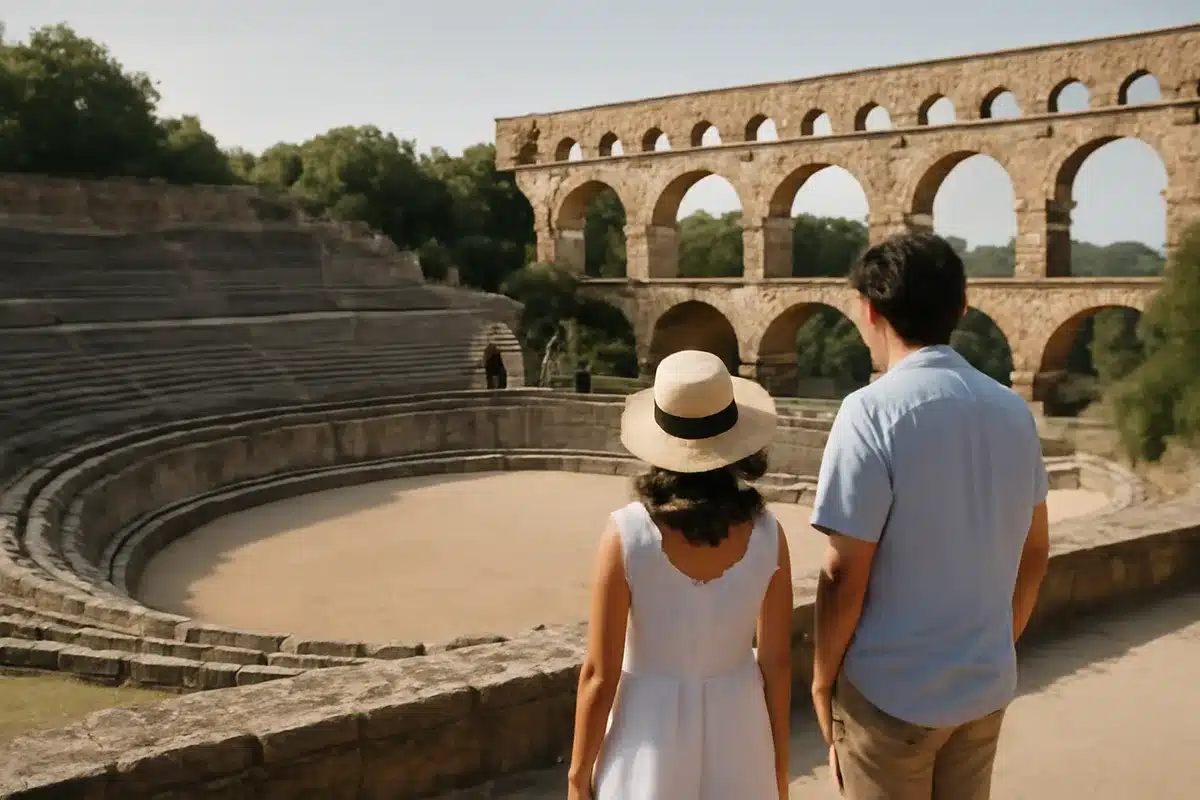
Nîmes wears its Roman past on its sleeve. The city is nicknamed the “French Rome” for good reason. Its ancient buildings are startlingly intact and easy to explore on foot.
American Airlines, Starlux expand codeshare deal: more routes and smoother connections
Ed Sheeran’s cousin slams singer after Macklemore free Palestine speech backlash
What to see in Nîmes
- Arènes de Nîmes — a 2,000-year-old arena with its original elliptical form. The central floor is still in use for concerts and events.
- Maison Carrée — an early first-century temple with pristine columns and a classical façade.
- Pont du Gard — a three-tiered Roman aqueduct bridge spanning the Gardon River. It’s perfect for photos and a cool dip after sightseeing.
In summer the arena stages modern concerts. The experience fuses past and present. Expect great acoustics and a crowd that came for music, not selfies.
Évora, Portugal: a compact city where a Roman temple anchors medieval streets
Évora sits in the Alentejo plains, a short train ride from Lisbon. The town feels slower and more textured than Portugal’s coastal hotspots. Here, Roman columns rise beside Gothic cathedrals and lived-in plazas.
Highlights and local flavor
- Temple of Évora — nearly two millennia old, this granite temple stands in the heart of the old town. It is often called the Temple of Diana.
- Évora Cathedral — climb to the roof terrace for sweeping views of terracotta roofs and farmlands.
- Food scene — Alentejo cuisine is savory and unhurried. Try local pork dishes, bread, and regional wines.
The temple’s fluted Corinthian columns sit amid daily life. That contrast—ancient stone next to cafés and markets—makes Évora quietly magical.
Plovdiv, Bulgaria: layered antiquity and a performance-ready Roman theater
Plovdiv is one of Europe’s oldest continuously occupied cities. Its streets are a palimpsest of Thracian, Roman, Byzantine, Ottoman, and Bulgarian Revival eras. You can explore centuries in a single stroll.
Must-see ancient sites
- Ancient Theater of Plovdiv — carved into a hillside and restored. It still hosts plays and concerts in summer.
- Roman Stadium — much of it lies beneath the modern main street. Some sections are visible inside shops and cafés.
- Nebet Tepe — a hilltop citadel with traces of ancient fortifications and panoramic city views.
Plovdiv blends open-air archaeology with lively neighborhoods. You’ll pass Ottoman mosques and colorful Revival houses between ancient columns. The pace is relaxed, and the crowds are modest.
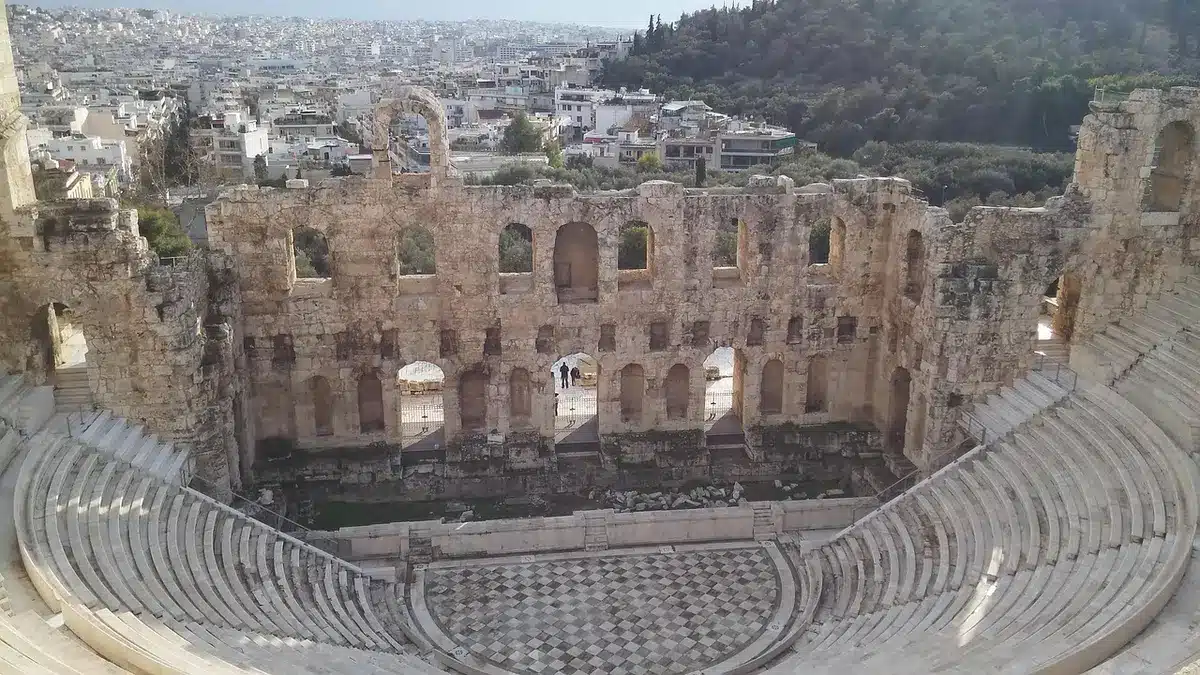
Mérida, Spain: one of Iberia’s best collections of Roman monuments
Founded in 25 BC as a veterans’ colony under Augustus, Mérida preserves striking Roman architecture in an inland Spanish setting. It lies off the main tourist corridors, which keeps visits calm and immersive.
Top attractions in Mérida
- Roman Theatre of Mérida — exceptionally well preserved, with a backdrop of Corinthian columns and seasonal performances.
- Puente Romano — a long Roman bridge crossing the Guadiana River that leads to the Alcazaba fortress.
- Alcazaba of Mérida — an early Islamic fortress incorporating Roman and Visigothic masonry, showing Spain’s layered past.
The city’s monuments reveal a dialogue between Roman engineering and later cultures. That crossover is part of Mérida’s appeal.
Practical travel notes: documents, visas, and safety reminders for Europe
Before you book, check entry rules. Documentation requirements vary across Europe and can change.
- Schengen rules: Most non-EU visitors may stay up to 90 days in any 180-day period across the Schengen Area.
- Border checks can be temporarily reinstated within Schengen. Keep your passport handy while traveling.
- Use official entry-check tools or government websites to confirm visa needs and passport validity.
- Safety: Bulgaria is generally rated low risk by major sources. Still follow standard travel safety practices.
Tips to beat the crowds and enjoy ancient sites
- Visit early morning or late afternoon for softer light and fewer tourists.
- Buy tickets in advance where possible to skip lines.
- Combine a guided walking tour with free time to explore side streets and local eateries.
- Pack comfortable shoes; ruins and old streets are best seen on foot.
How to plan your itinerary around these underrated cities
Each destination pairs well with nearby hubs. Nîmes is a quick ride from Avignon and Montpellier. Évora links easily with Lisbon. Plovdiv pairs with Sofia or the Bulgarian countryside. Mérida sits near Lisbon’s inland border routes and Portugal’s Alentejo.
Sample mini-itineraries
- Nîmes weekend: arena, Maison Carrée, Pont du Gard, and a swim by the river.
- Évora day trip from Lisbon: temple, cathedral roof, and a long lunch of Alentejo dishes.
- Plovdiv stay: hilltop walks, theater performance, and time in the Revival quarter.
- Mérida exploration: theater, Roman bridge, Alcazaba, and a slow afternoon in the museum complex.
These cities reward slow discovery. The ruins are present, the crowds are smaller, and the local rhythms feel genuine. Plan well, keep your documents close, and you’ll often have ancient history almost to yourself.