Show summary Hide summary
- Porsha Williams describes the emergency operation and why it was needed
- What surgeons found: fibroids, endometriosis and a surprise tally
- Why the hysterectomy became the only option
- The emotional fallout: grieving fertility and unexpected limits
- Health gains after surgery: relief from chronic symptoms
- Speaking out to change how women are diagnosed and treated
- A brief timeline and family background
- What experts want women to know about fibroids and hysterectomies
Porsha Williams says an unexpected surgery earlier this year changed her life. The reality star revealed she needed an emergency hysterectomy after learning more about a condition she had long underestimated. Her account mixes shock, relief and a push for women to demand better care.
Porsha Williams describes the emergency operation and why it was needed
Porsha Williams reveals emergency hysterectomy saved her life
Bronwyn Newport’s mystery man revealed: he’s a married NYC restaurateur
In a candid personal essay published this week, Williams explained that a routine fertility visit turned urgent. The appointment, meant to discuss the possibility of freezing eggs, exposed serious problems inside her uterus. What began as an exploration of reproductive options quickly became a medical crisis.
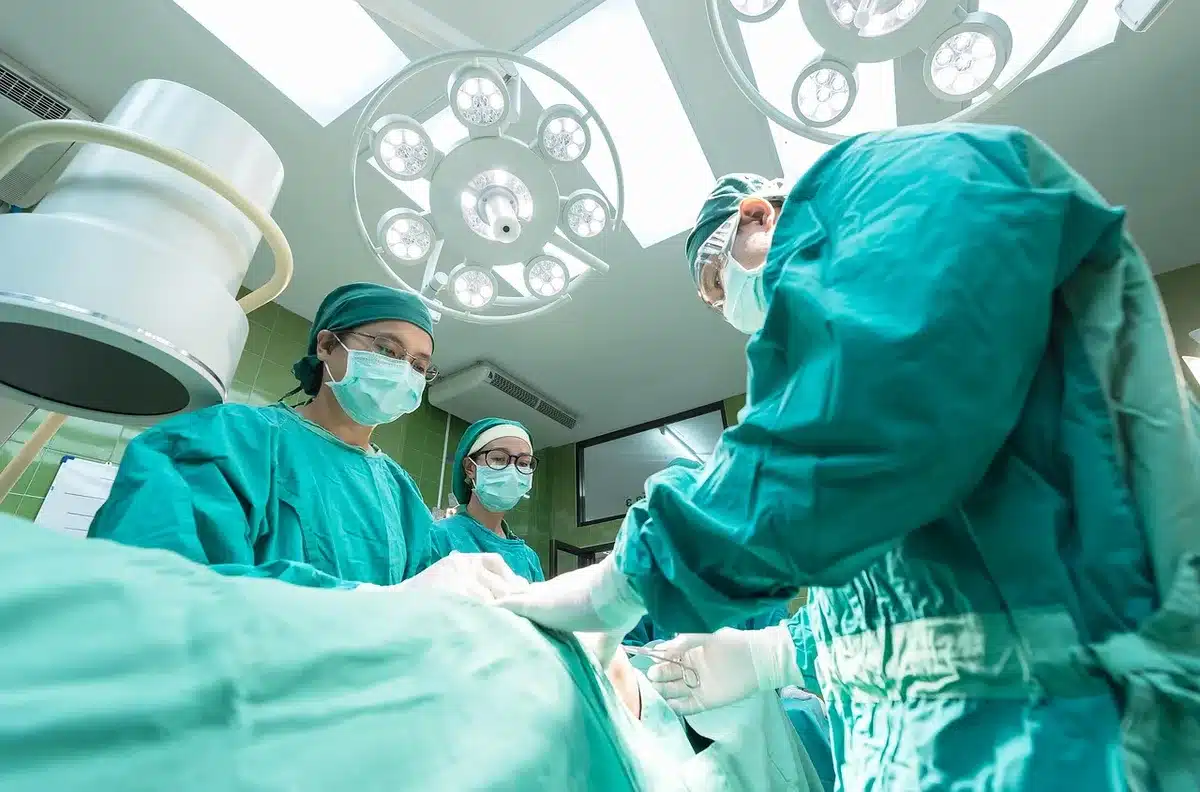
Doctors recommended a surgical procedure. Williams says she was told the operation would be a partial hysterectomy, allowing her to keep her ovaries. During the May surgery, surgeons discovered more than doctors had expected.
What surgeons found: fibroids, endometriosis and a surprise tally
Her physician initially identified a large cluster of fibroids. After operating, the surgical team counted a total of 21 fibroids, one of which Williams compared to the size of a cantaloupe. She also learned she had endometriosis and an additional problem affecting her uterine lining.
- Fibroids: multiple, some very large
- Endometriosis: tissue growth outside the uterus
- Uterine-lining issue: a separate diagnosis complicating fertility
Why the hysterectomy became the only option
Williams wrote that surgeons told her removing the uterus was necessary for her safety and long-term health. At 45 and approaching perimenopause, she had hoped to avoid losing her ability to carry another child. Still, doctors emphasized the risks if the fibroids and related conditions remained untreated.
She said she woke from the operation with a sense of loss. “A part of me is gone,” she reflected, describing the immediate emotional impact of the procedure.
The emotional fallout: grieving fertility and unexpected limits
Williams, who is a mother to a young daughter, said the most painful reality was losing future pregnancy options. She learned eggs could no longer be harvested for a surrogate, closing a path she’d hoped to keep open.
She had already experienced a miscarriage years before becoming a mother in 2019. That history, she says, made the news of lost fertility even more difficult to process. Williams describes a period of mourning after the surgery, both for the physical part of her body and the dreams it represented.
Health gains after surgery: relief from chronic symptoms
Despite the emotional cost, Williams says the hysterectomy dramatically improved her daily life. She identified several chronic issues that resolved or improved after the procedure:

- Fewer migraines
- Better iron levels
- Reduced pelvic pain
- Restored sexual function
Williams revealed that fibroids had physically obstructed more than 60% of her birth canal and placed pressure on her bladder. Removing the growths alleviated those risks and discomforts.
Speaking out to change how women are diagnosed and treated
On CBS Mornings, Williams said she decided to share her story to encourage other women to advocate for thorough medical checks. She urged listeners not to self-diagnose and to press clinicians for specific tests when symptoms suggest gynecological conditions.
Her message highlights a broader public-health concern: many women experience symptoms for years before receiving a proper diagnosis for fibroids or endometriosis. Williams hopes her visibility will make it easier for others to ask the right questions.
A brief timeline and family background
- 2013 (approx.): Williams experienced a previous miscarriage.
- 2019: She became a mother to daughter Pilar.
- 2020: Her relationship with Pilar’s father ended.
- 2022: Williams married Simon Guobadia; they divorced three years later.
- 2025–2026: She has been dating Patrice “Sway” McKinney.
Williams credits her daughter with giving her renewed purpose and calls her a central reason she feels grateful after recovery. She has also been open about the strain the medical ordeal placed on her personal life.
What experts want women to know about fibroids and hysterectomies
Health professionals note that fibroids and endometriosis are common and can vary widely in severity. Symptoms often include heavy periods, pelvic pressure, fatigue from low iron, and sexual discomfort. Treatments range from medication to surgery, depending on size, symptom impact, and fertility goals.
Questions to ask your doctor
- Could fibroids explain my symptoms?
- Are there non-surgical options for shrinking or managing growths?
- What are the fertility implications of each treatment?
- Is a hysterectomy the only safe option in my case?
Williams’ story underscores the importance of clear communication between patients and clinicians. She encourages women to request specific exams if something feels wrong.