Show summary Hide summary
- How the controversy ignited on social platforms
- Key criticisms and what people are saying
- Retail response and product availability
- Why costume design can cross a line
- Examples of the backlash in real time
- What shoppers should consider before buying Halloween costumes
- How retailers can prevent similar incidents
- Ongoing conversation and broader implications
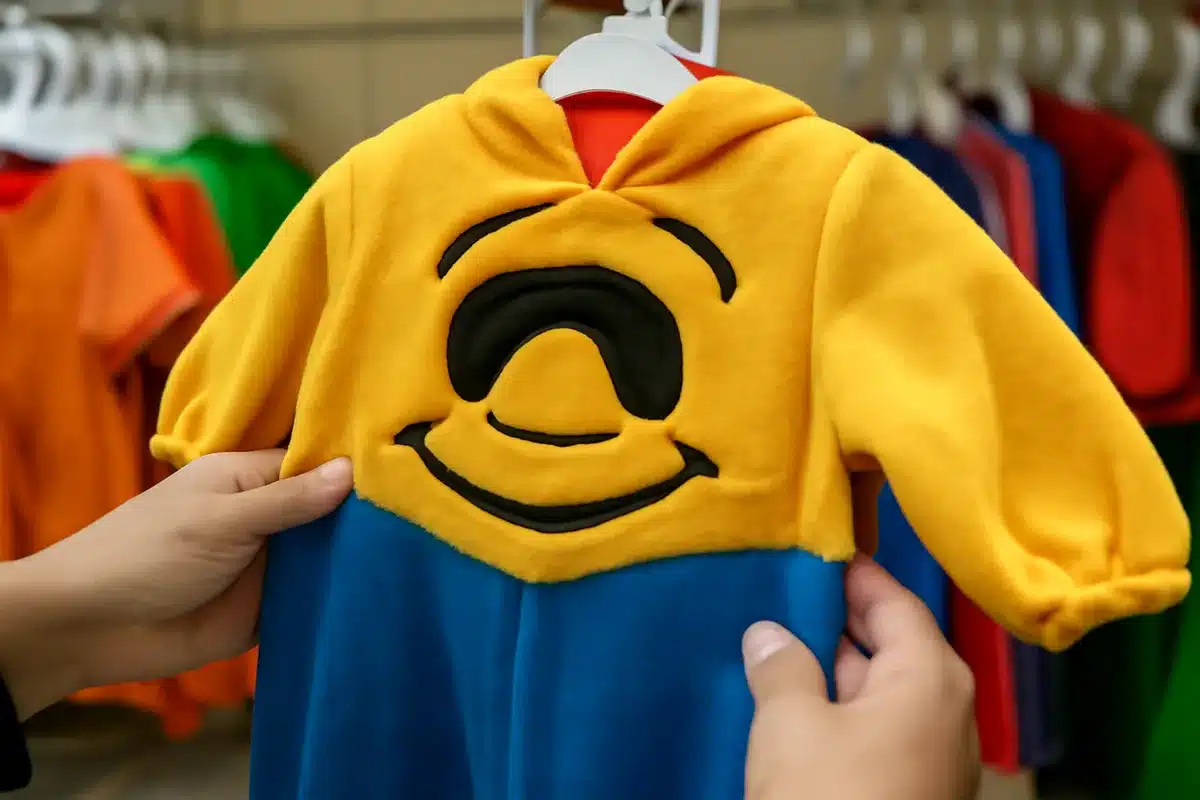
Photos of a Halloween costume sold at Target have set off a viral backlash online. Many social media users say the outfit looks like a racist caricature. The images and reactions spread fast, turning the product into a lightning rod for criticism and conversations about taste, history, and corporate responsibility.
How the controversy ignited on social platforms
The item was shared across platforms within hours. Users posted screenshots of the product page and close-ups of the costume. Comments poured in, calling attention to features that many viewers found offensive.
Sylvester Stallone confesses bulimia and steroid use while filming his most iconic role
Johnny Knoxville blames fun police for killing studio comedies

- Images were reshared with captions expressing shock.
- Hashtags and threads amplified the discussion.
- Influencers and news accounts picked up the posts, increasing visibility.
Key criticisms and what people are saying
Observers pointed to specific elements of the costume that reminded them of harmful stereotypes. Critics argued the design echoed longstanding racist imagery used to mock and dehumanize.
- Visual elements: exaggerated facial features and stylized makeup were repeatedly mentioned.
- Historical context: many commentators connected the look to offensive theatrical caricatures.
- Public reaction: words like “tone-deaf” and “unacceptable” trended in replies.
Retail response and product availability
Customers tagged the retailer in posts asking for an explanation. Some users reported that the online listing was taken down, while others saw the product still available in some stores.
Retailers often face pressure to act quickly in these moments. Steps brands typically take include:
- Removing or delisting the item while reviewing concerns.
- Issuing an internal review of product approvals and supplier materials.
- Responding to public questions and clarifying next steps.
Why costume design can cross a line
Costumes draw on imagery and cultural symbols. When a design echoes racist stereotypes, it can cause harm beyond one purchase.
Historical harm matters
Many critics point out that certain exaggerated features have a painful history. These visual tropes were used to justify discrimination. That history shapes reactions today.
Intent versus impact
Designers may not intend offense. Still, impact often matters more than intent. Brands risk alienating customers if they ignore historical context.
Examples of the backlash in real time
Social posts combined outrage, education, and calls for action. Threads included personal stories and links to resources about racist imagery.
- Users called for the product to be removed from shelves.
- Some accounts organized to report listings across platforms.
- Others used the moment to explain why certain visuals cause harm.
What shoppers should consider before buying Halloween costumes
Choosing a costume can be fun. It can also carry cultural meaning. Buyers can take simple steps to avoid offensive choices.
- Research the history of a look before purchasing.
- Avoid costumes that caricature real communities.
- Look for vendor transparency on design sources and approvals.
How retailers can prevent similar incidents
Experts say brands should strengthen review processes for seasonal products. That includes vendor vetting and cultural sensitivity checks.
- Train merchandising teams on cultural context.
- Require design documentation for items that reference identities.
- Engage diverse reviewers before launching products.
Ongoing conversation and broader implications
The incident has become part of a larger debate about representation and responsibility in retail. Consumers are demanding more mindful products. The conversation is likely to influence future costume design decisions.