Show summary Hide summary
- Neon’s plan: an anthology rooted in the SCP community
- Why the Creative Commons license changes the rules
- How Neon’s approach differs from other studio efforts
- What the SCP Wiki team says about the collaboration
- Practical hurdles: distribution, revenue, and DRM
- How Neon imagines an “open-source” film might work
- Timeline, talent strategy, and industry context
- Background: what the SCP Foundation is and why it matters
Neon has announced plans for an anthology horror film built around the crowd-sourced universe of the SCP Foundation, promising a production that honors the community license and invites collaborative input. The studio calls the effort an open-source horror project, a move that sets up an unusual contrast with rival studios exploring internet-born horror properties.
Neon’s plan: an anthology rooted in the SCP community
Neon says its movie will draw from the SCP Foundation’s vast catalog of short horror entries. The company described the film as an anthology, echoing formats familiar to fans of found-footage horror. Neon also pledged to respect the Creative Commons terms that govern the site’s work.
Taylor Swift: are we over her now that her love story is complete?
Jaime King and Austin Sosa divorced after secret whirlwind marriage: split leaves them blindsided
Key commitments Neon has signaled
- Follow the SCP Wiki’s Creative Commons license, specifically CC BY-SA 3.0.
- Work with emerging filmmakers rather than relying solely on established names.
- Position the film as collaborative and adaptable over time.
Why the Creative Commons license changes the rules
The SCP Foundation’s content is published under a license that requires shared attribution and that derivative works be released under the same terms. That has real implications for any commercial film.
- The CC BY-SA 3.0 license mandates attribution of original creators.
- Derivative works must be shareable under the same license.
- Creators cannot use DRM measures that block copying or further derivation.
How Neon’s approach differs from other studio efforts
Reports surfaced about a separate A24-linked horror project inspired by SCP-like internet lore. The SCP Wiki administrators said that production did not contact the community and that a commercial film would have to abide by the Creative Commons terms.
Three major distinctions
- Neon publicly embraced the license and community input.
- A24’s rumored project drew criticism for its lack of outreach to SCP authors.
- Neon frames its film as intentionally remixable, while major studios often pursue exclusivity.
What the SCP Wiki team says about the collaboration
The Wiki staff welcomed Neon’s communication and said they were “satisfied” the studio intends to follow the license. But administrators made clear they will not act as official producers.
- Admins are not being paid or directly writing the film.
- The site team cannot formally endorse an “official” adaptation.
- Individual authors retain the right to create their own adaptations.
Practical hurdles: distribution, revenue, and DRM
Releasing a CC BY-SA feature commercially poses unusual challenges. The license’s share-alike clause and anti-DRM stance clash with typical distributor models.

Potential obstacles include:
- Studio revenue from exclusive theatrical runs vs. requirement to share content freely.
- Digital rights management being incompatible with the license’s anti-DRM spirit.
- Questions about how box office returns would work if the film is immediately redistributable.
How Neon imagines an “open-source” film might work
Neon has not published a full distribution plan. Still, the company hinted the project will be designed so fans and creators can remix and expand the film’s material. That could create a living property that evolves across new works.
Timeline, talent strategy, and industry context
Neon has not yet named directors or producers for the project. The studio said it would emphasize up-and-coming filmmakers and aims for a theatrical release in 2027.
Neon has a track record of elevating indie horror voices, and the company is currently associated with several upcoming genre titles. This move places Neon at the center of a broader debate about how internet-native IP can be adapted.
Background: what the SCP Foundation is and why it matters
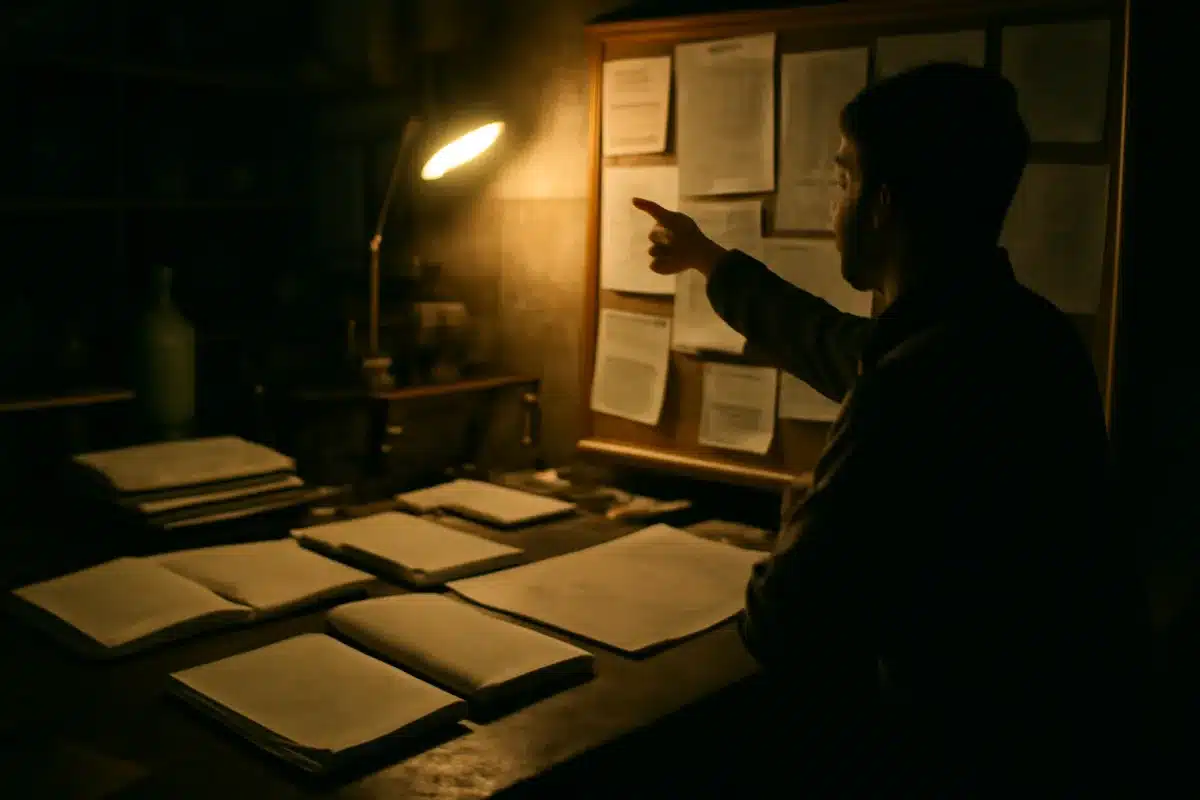
Launched in 2008, the SCP Foundation is a collaborative fiction project. Thousands of contributors have built a decentralized archive of strange items and containment reports.
- The core conceit: an organization that “secures, contains, and protects” anomalous objects.
- Stories range from brief files to longform narratives across many authors.
- The project differs from other internet-born horror like “Backrooms,” because it is centralized and released under Creative Commons.