Show summary Hide summary
Michael Douglas is pushing back against the “nepo baby”标签 and reframing a family story that spans garbage routes, Hollywood stages and awards stages. As he promotes his new memoir, he stresses hard work, lineage and the complicated gift of a famous name.
Why Michael rejects the “nepo baby” label
Douglas told reporters he finds the label unhelpful. He argues the phrase flattens complex family stories into a trend. For him, lineage is a mix of effort, luck and personal struggle.
Kaley Cuoco welcomes second baby with fiancé Tom Pelphrey
Anna Faris exit vindicates Chuck Lorre: she left Mom for mysterious reasons
He does not accept the idea that success was simply handed to him. Instead, he frames his path as one shaped by determination and the realities of life in show business.
From junkyard beginnings to Hollywood stages: the Douglas family arc
Michael highlights how the family’s rise was not linear. His father, Kirk Douglas, became a screen legend. But before that, his grandfather worked as a junkman.
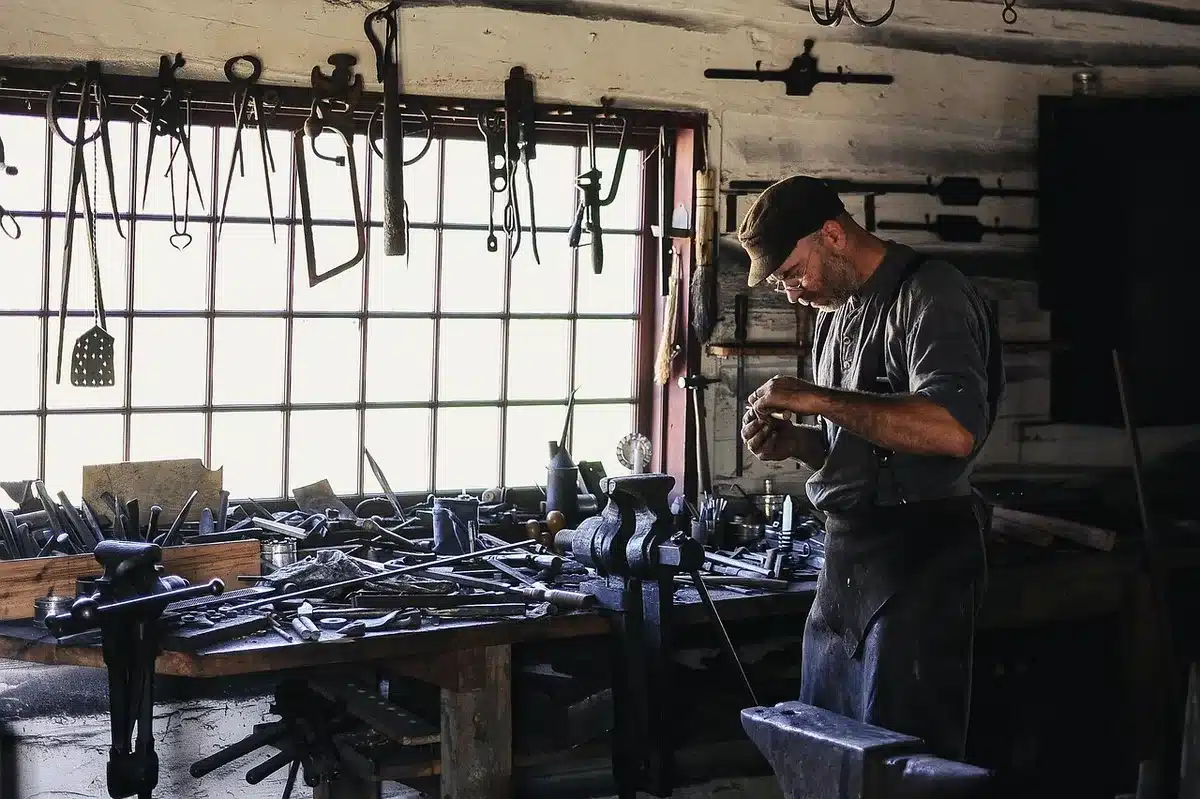
That contrast, Michael says, is central to the narrative in his memoir. It shows how opportunity and hard work can coexist in a single family story.
What the family history means
- It explains his belief that success often comes from persistence.
- It underscores that famous parents can still worry about their children.
- It gives context to Michael’s choice to write candidly about ups and downs.
Children following the craft: Dylan, Carys and Cameron
Michael and his wife, Catherine Zeta-Jones, have two children actively pursuing acting. Their son, Dylan, and daughter, Carys, began performing as kids.

Michael’s eldest, Cameron, from a prior marriage, also works as an actor. He has faced public struggles with addiction and the law, followed by efforts to rebuild.
- Dylan Douglas — developing his craft and gaining early credits.
- Carys Douglas — building a stage and screen resume.
- Cameron Douglas — returned to work after personal setbacks.
Michael defends their dedication: he points to years of plays, summer programs and onstage work as proof they earned their experience.
Advice, rejection and parental worry
Talking about parenting in show business, Michael offers blunt counsel: if you cannot handle rejection, this career is not for you.
He recalls how his own father fretted over his choices when he entered acting. At the same time, he remembers the urge parents have to help their children succeed.
On comparisons and carving his own path
Early in his career, Michael often heard comparisons to Kirk. He appreciated them but also wanted his own identity. That tension informed much of his professional growth.
His book explores those competing pressures: admiration for a legendary parent, and the need to be recognized on his own terms.
What the memoir reveals: One Helluva Ride
In One Helluva Ride, Douglas traces his life through Hollywood milestones and private struggles. He writes about legacy, love and the burden of a famous surname.
The memoir interweaves personal anecdotes, family history and industry insight. It also pays tribute to both parents: Kirk Douglas, who died in 2020, and Diana Douglas, who passed in 2015.
Highlights and themes from the book
- Reflections on fatherhood and fame.
- Stories of persistence and professional risk.
- Honest takes on family conflict and reconciliation.
Michael frames much of the narrative around how a son navigates a parent’s epic career while trying to build a distinct legacy.
Public reactions and the wider nepo baby debate
Douglas has spoken more than once about the broader conversation around celebrity offspring. He says every industry sees parents guide children into careers.
Rather than dismissing the debate, he positions it as an opportunity to discuss work ethic, privilege and family support.
One Helluva Ride is out now.