Show summary Hide summary
- Alleged altercation at Fort Dix and immediate aftermath
- Why tensions may have erupted: the NBC exposé and contraband claims
- Profiles: who is Christopher “Dudus” Coke?
- Official statements and contrasting accounts
- Disciplinary conditions and incarceration status
- Legal background and timeline for Combs
- What to watch next: investigations and media follow-ups
Sean “Diddy” Combs was reportedly injured at the Federal Correctional Institution Fort Dix after an altercation with fellow inmate Christopher “Dudus” Coke, sources say. The incident has sparked conflicting accounts from media outlets, prison officials and Combs’ team, and it has drawn fresh scrutiny to conditions inside the facility.
Alleged altercation at Fort Dix and immediate aftermath
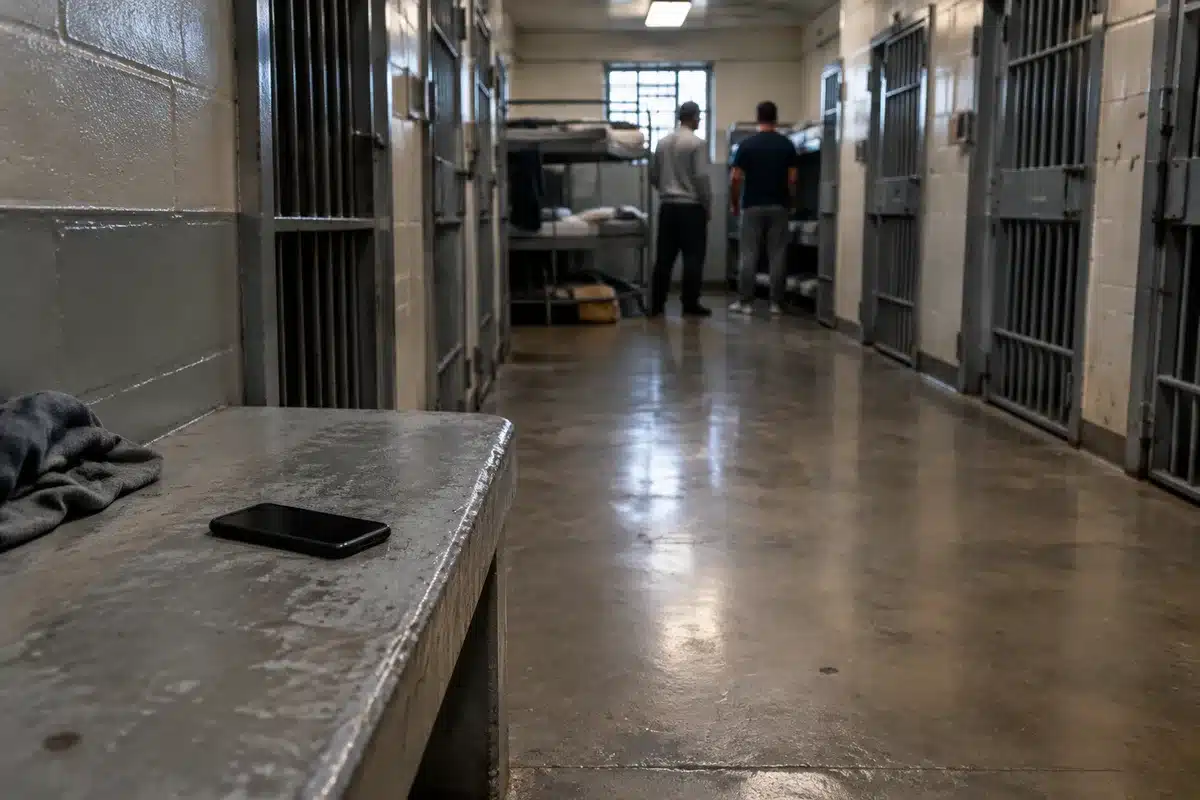
According to multiple entertainment outlets, the clash happened in a housing area at Fort Dix. One account says Combs struck his head during the fight and was taken to a local hospital for evaluation. Other reports suggest he may have injured himself on a bunk while moving during a break.
WNBA playoffs 2026 live schedule: how to watch every series
Diddy suffers head injury in prison attack by Jamaican drug lord: report
Key reported facts
- Participants named: Sean “Diddy” Combs and Christopher “Dudus” Coke.
- Location: Federal Correctional Institution Fort Dix, New Jersey.
- Injury: Sources describe a head injury that required medical attention.
- Disciplinary actions: Coke was reportedly moved to solitary for a period after the incident.
Why tensions may have erupted: the NBC exposé and contraband claims
Sources link the fight to an NBC News piece that showed Combs allegedly using contraband items inside the prison. The segment reportedly suggested he had access to a phone, alcohol and drugs, which allegedly prompted raids and fingerprinted confiscations of devices.

- The NBC report prompted at least two searches by officials.
- Inmates tied to the raid reportedly expressed anger over the publicity.
- Authorities removed phones from several cells as part of the response.
Profiles: who is Christopher “Dudus” Coke?
Christopher Coke, widely known as “Dudus,” is a Jamaican national convicted years earlier on drug and firearms charges. He has been in U.S. federal custody since 2012 and faces a multi-decade sentence.
- Coke’s sentence: reported at roughly 23 years.
- Notable: He has been linked to gang leadership and was a high-profile extradition case.
Official statements and contrasting accounts
Media reports and representatives have offered different versions of events. Combs’ spokesperson said they could not verify the fight independently and emphasized concern for his health. The Federal Bureau of Prisons issued a direct denial, calling reports of a scuffle “false.”
What each party says
- Media outlets: Reported an altercation and a head injury requiring hospital care.
- Combs’ rep: Expressed worry about his wellbeing and said the team lacked independent verification.
- Federal Bureau of Prisons: Stated the fight “did not happen” and declined to discuss individual confinement details.
- Family comment: A relative told radio hosts that Combs’ time outside the SHU is closely supervised.
Disciplinary conditions and incarceration status
Reports say Combs had already been in the Special Housing Unit due to the media coverage and related investigations. After the alleged incident, officials reportedly placed other inmates in solitary as part of the response.
- Combs’ custody: Held at FCI Fort Dix, under federal jurisdiction.
- Reported consequences: Solitary confinement applied to some inmates involved.
Legal background and timeline for Combs
Combs was convicted last year on federal counts linked to transporting individuals for prostitution. He was sentenced to 50 months in custody and remains in federal service. Public records list a projected release date in 2028.
- Conviction: Federal charges related to transportation for prostitution.
- Sentence length: 50 months in prison.
- Projected release: March 2, 2028, according to sentencing records.
What to watch next: investigations and media follow-ups
The story raises questions that could prompt further probes by prison oversight bodies and additional media reporting. Officials rarely comment on specific inmates, which can make verification difficult for journalists and families.
Possible next steps
- Inquiries by federal oversight or inspector general teams.
- Requests for medical records or incident reports under applicable privacy rules.
- New reporting from outlets that originally published the exposé.