Show summary Hide summary
- FAA orders trigger widespread reductions at major hubs
- How the reductions expand over the coming days
- Which flights are most likely to be canceled
- Airlines’ response: waivers, refunds and rebooking tools
- Practical steps for travelers facing uncertainty
- Refunds, out-of-pocket costs, and who covers them
- What this means for the Thanksgiving travel window
- Staying informed and preparing for the next steps
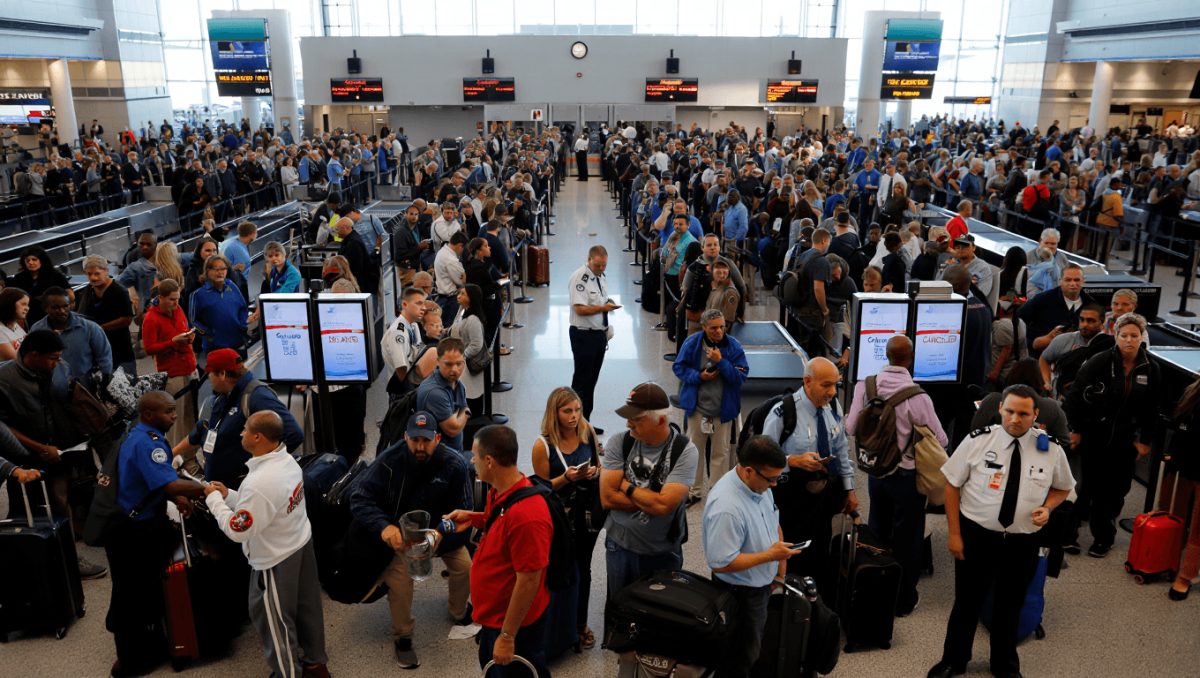
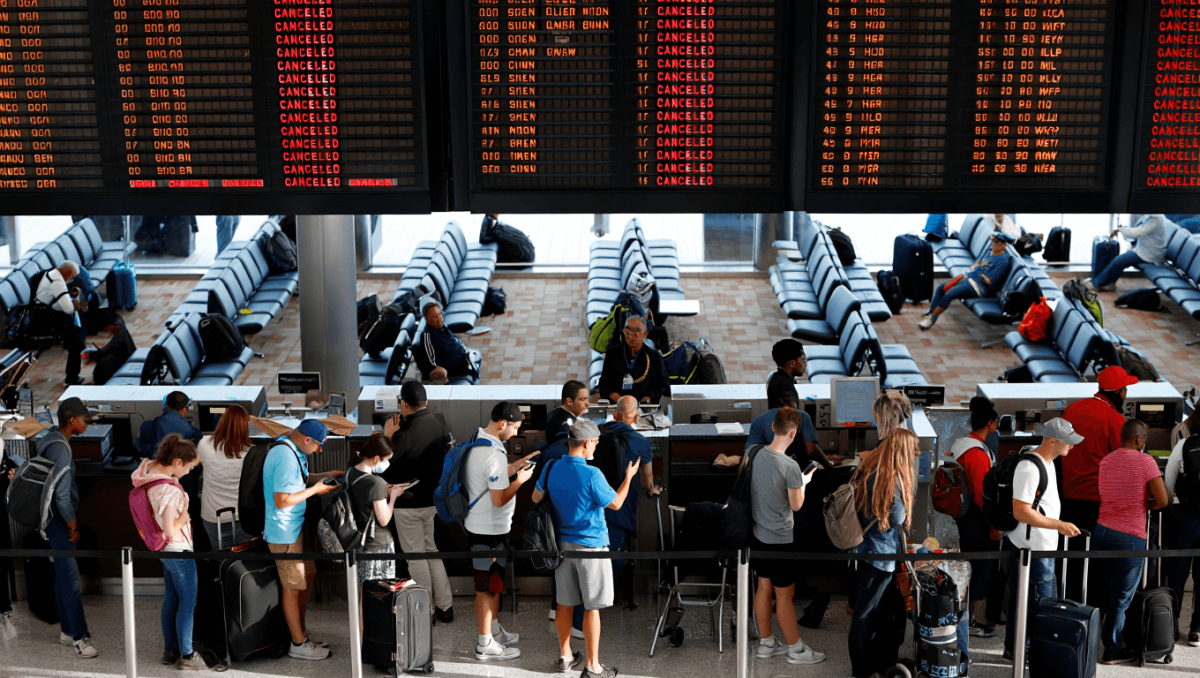
Air travelers nationwide woke to a weekend of uncertainty as sudden, system-wide limits on departures forced airlines to cancel hundreds of flights and scramble passengers into rebooking lines. The moves, tied to staffing shortfalls at air traffic control during the government shutdown, have already upended itineraries and raised concerns for the busy holiday period ahead.
FAA orders trigger widespread reductions at major hubs
The Federal Aviation Administration issued an order that immediately trimmed operations at many of the nation’s busiest airports. Initially modest in scope, the restrictions escalated rapidly over a few days.
– More than 800 flights were pulled on Friday alone.
– Weekend cancellations exceeded 1,600.
– The FAA set staged reductions: starting with a 4% cut, then rising in the coming week.
The agency cited staffing shortages at air traffic control facilities as the reason for limiting throughput. That shortfall has led to ground stops and multihour delays at several East Coast and Midwest hubs. Travelers should expect disruptions to grow if the staffing gap continues.
United Polaris Studio suites: tickets now on sale for April inaugural flights
Auston Matthews-Radko Gudas controversy: Pierre LeBrun predicts fallout
How the reductions expand over the coming days
The FAA’s phased plan increases limits over a short timeline. This approach spreads fewer aircraft across the same airspace to reduce controller workload. Key milestones include:
- Initial 4% reduction applied immediately to about 40 busy airports.
- An increase to roughly 6% departures held back in the next days.
- Planned rises to 8% and then about 10% by mid-November if conditions remain unchanged.
These percentage cuts affect schedules unevenly. Some carriers adjusted operations to preserve long-haul international flights, while regional and short-haul services took the brunt.
Which flights are most likely to be canceled
Airlines are deciding which departures to cut, and many are protecting major international and cross-country trunk routes. That leaves smaller, regional flights more vulnerable.
Regional jets and connection-heavy itineraries at higher risk
- Substantial cancellations are concentrated on flights operated by regional affiliates.
- Two-leg itineraries increase the odds of disruption.
- Long-haul widebody flights are generally preserved to avoid stranding large numbers of passengers.
For example, one major carrier canceled roughly 170 flights in a single day, with about 80% of those being regional segments. That pattern is likely to repeat across networks.
Airlines’ response: waivers, refunds and rebooking tools
Carriers moved quickly to reduce passenger friction. Many announced expanded policies and customer-service options to cope with the wave of cancellations.
- Fee-free rebooking for travelers, including many with basic economy fares.
- Relaxed refund options for some affected and unaffected passengers.
- Mobile app and email alerts to speed rebooking without long call center waits.
Some airlines reported rebooking a significant share of affected travelers within hours. Still, policies vary by carrier, so passengers should check individual airline communications.
Practical steps for travelers facing uncertainty
If your trip falls during the shutdown-driven limits, act early and stay flexible. Recommended actions:
- Monitor airline notifications via email and mobile app for rebooking options.
- Consider booking a backup itinerary, especially if arrival time is critical.
- Choose at least one refundable option when buying a backup ticket.
- Allow extra time at the airport; TSA staffing pressures could lengthen checkpoint waits.
- Prepare alternate travel plans like driving or trains for short, regional trips.
A surprising suggestion from some industry leaders: buying a second ticket on another carrier can be a reasonable hedge for essential travel. Use award or refundable fares wisely to limit financial risk.
Refunds, out-of-pocket costs, and who covers them
U.S. Department of Transportation rules entitle passengers to refunds when flights are canceled or significantly delayed. However, airlines are not typically required to cover incidental expenses.
- Refunds: Passengers may get a full refund if they opt not to accept rebooking.
- Secondary costs: Hotels, meals, and local transportation are usually not reimbursed when the disruption is caused by external factors.
- Some carriers have broadened their refund windows as a courtesy.
Keep receipts and document communications with the airline if you hope to seek any goodwill compensation.
What this means for the Thanksgiving travel window
The spike in cancellations arrives just weeks before the Thanksgiving travel surge that airlines expect to be one of the busiest on record. The staffing and operational limits could ripple into peak holiday travel, increasing the chance of delays and missed connections.
Airline trade groups warned that prolonged shutdown impacts are unsustainable for the system. Airports and carriers are watching staffing levels closely as the holiday period approaches.
Staying informed and preparing for the next steps
Travelers should keep multiple channels open for updates: airline apps, airport alerts, and official FAA notices. When disruptions occur, quick action and flexible planning reduce stress and increase the chance of reaching your destination.
- Save airline contact options and policy links before you travel.
- Check alternative ground transportation now, not after a cancellation.
- Pack essentials in carry-on luggage to avoid problems if a checked segment is canceled.
Being proactive is the best protection against last-minute surprises.