Show summary Hide summary
- Why Zamora deserves a spot on your Mexico travel list
- A Neo‑Gothic cathedral that looks European — and soars above the skyline
- Wandering the historic core: streets, shops, and local life
- Travel costs and budget tips for smart visitors
- Getting to Zamora: airports, buses, and the best routes
- Practical advice before you go
Most visitors to Mexico head for the familiar colonial stars: Mexico City, San Miguel de Allende, or the cobbled streets of Guanajuato. But tucked away in Michoacán lies Zamora de Hidalgo, a quiet city where a towering Neo‑Gothic sanctuary and well‑preserved colonial streets wait for travelers who want something different.
Why Zamora deserves a spot on your Mexico travel list
Zamora moves beyond postcard clichés. Its compact historic center feels authentic and lived‑in. You will find tree‑shaded plazas, iron benches, and Spanish‑style casonas that hint at the town’s long past. The area is a legally protected heritage zone, meaning many buildings have been carefully restored rather than modernized.
Sophia Laforteza of Katseye announces hiatus: comes months after Manon Bannerman’s exit
Delta to return to Tokyo Narita hub in 2027: 7-year comeback
- Founded in 1574, Zamora retains a clear colonial street grid.
- The center is smaller than Morelia’s, but denser in character.
- Conservation efforts keep facades, plazas, and civic buildings intact.
A Neo‑Gothic cathedral that looks European — and soars above the skyline
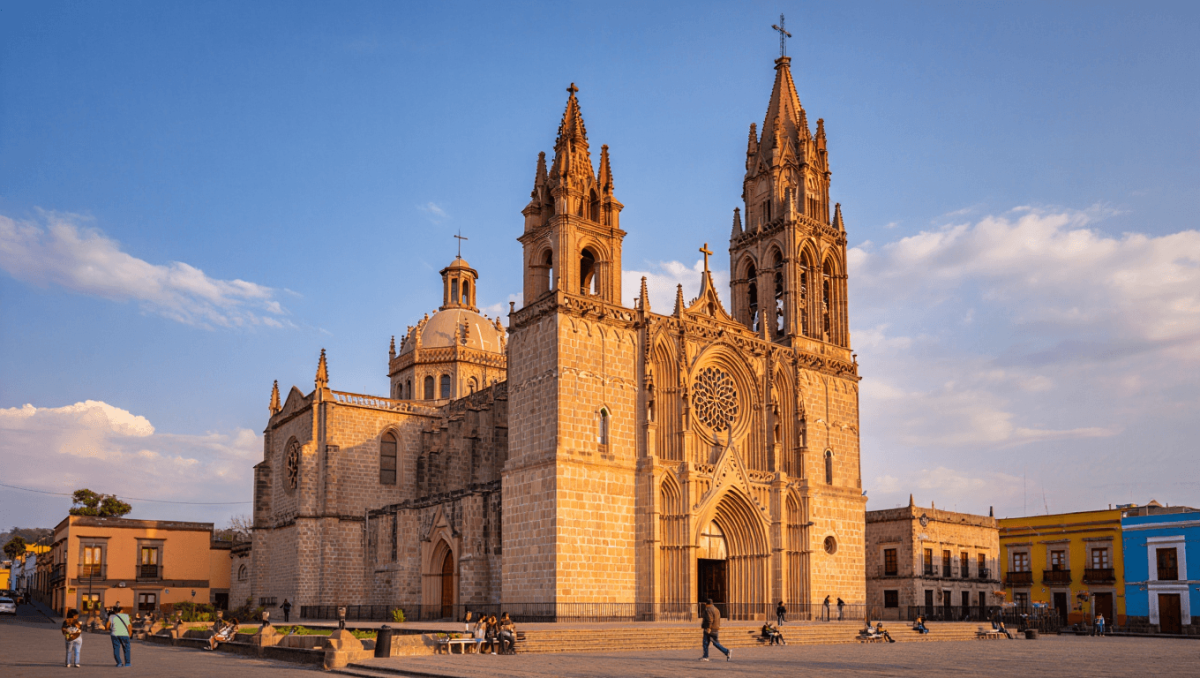
At the city’s heart stands the Diocesan Sanctuary of Our Lady of Guadalupe. Built in the late 1800s, it departs from Mexico’s usual Baroque church style. Instead, the structure favors pointed arches, ribbed vaults, and spires you’d expect to find in medieval Europe.
The sanctuary is notable for one striking fact: its towers rise to 107.5 meters, making it the tallest church in Mexico. Construction spanned more than a century, reflecting local dedication and community investment across generations.
Why the cathedral matters to visitors
- It’s a rare Neo‑Gothic example in a country dominated by Baroque churches.
- The verticality of the towers creates dramatic views from many points in town.
- Inside, the scale and detailing reward close inspection.
Wandering the historic core: streets, shops, and local life
Zamora’s charm is as much in its daily rhythms as in its monuments. Vendors, small cafes, and family‑run businesses animate narrow lanes. You’ll see colonial townhouses that have been repurposed into eateries, galleries, and boutique hotels.
The sense here is intimate. Unlike heavily touristed cities, Zamora’s plazas feel like neighborhood living rooms, perfect for lingering over coffee or people‑watching.
Travel costs and budget tips for smart visitors
Zamora is notably affordable compared with Mexico’s major tourist centers. Prices stay low because the town is still off most international itineraries.
- Accommodation: $30–$50 per night for comfortable local hotels.
- Meals: simple cantina plates can run around $6. Mid‑range dinners are often under $14.
- Bars and casual nightlife: expect to spend only a few dollars for an evening of drinks and people‑watching.
These figures make Zamora a great option for travelers who want a big cultural payoff without a big price tag.
Getting to Zamora: airports, buses, and the best routes
Zamora does not have an international airport. Most visitors fly into a nearby city and finish the journey by road. The fastest, most practical gateway is Morelia. From there, buses and short drives make Zamora easy to reach.
Major airport options
- Morelia (MLM) → Zamora: about 68 miles, roughly 1 hr 40 min via Mexico 15D. This is the quickest route.
- Uruapan (UPN) → Zamora: about 81 miles, roughly 2 hr 15 min via Mexico 37 / 15D.
- Guadalajara (GDL) → Zamora: about 186 miles, roughly 3 hr 30 min via Mexico 80D / 15D.
Bus tips and carriers
If you prefer public transport, daytime buses run between Morelia and Zamora. Expect frequent departures and modern coaches.
- Look for carriers like Primera Plus, Autobuses Elite, or Autovías / La Línea.
- Travel time from Morelia by bus is about 2 hours, depending on stops.
- Book in advance during holiday weekends to secure a seat.
Practical advice before you go
Plan logistics ahead and check local advisories for the state of Michoacán. Use up‑to‑date sources for safety and travel rules. Pack comfortable shoes; the historic center is best explored on foot. And bring a camera — the cathedral and shaded plazas are highly photogenic.
Tip: Visiting outside peak holiday weeks will give you cleaner streets and a quieter experience.