Show summary Hide summary
- When a habit became a crisis: drinking, panic, and the moment it changed
- Medical warning: a diagnosis that shifted direction
- Pre-show rituals and the myth of the lucky drink
- The parking lot that forced honesty: a 30-day motorcycle trip
- Choosing sobriety and the early, scary weeks
- Proof in the work: writing and recording without alcohol
- From denial to awareness: how perspective shifted
- Where he stands now: energy, creativity, and a different outlook
Zach Bryan has opened up about a turning point in his life and career: a period when alcohol was woven into his nightly rituals, his songwriting process, and his way of coping with stage fright. In a wide-ranging conversation with Matthew McConaughey released alongside his new EP, Young Manhood and Other Donatable Organs, the country star described how drinking escalated, how it landed him in a doctor’s office, and how choosing sobriety reshaped his music and his sense of self.
When a habit became a crisis: drinking, panic, and the moment it changed
Bryan says his alcohol use intensified until he was consuming as many as 15 beers daily. The pattern stopped being harmless.
Heated rivalry future revealed: gay hockey romance teases second season
Tony Shalhoub avoided Hollywood spotlight: daughter reveals surprising reason
- He began experiencing severe panic attacks.
- Symptoms included numbness and the fear that he was having a stroke.
- Those episodes sometimes left him curled up and unable to perform everyday tasks.
He remembers thinking he might die during those attacks. That fear pushed him to seek medical help and to reconsider his relationship with alcohol.
Medical warning: a diagnosis that shifted direction
A doctor evaluated Bryan and identified a panic disorder. The medical advice was straightforward: reducing or stopping drinking could ease his symptoms.
Initially Bryan resisted the idea. He assumed his struggles were just hangovers. Over time, though, the diagnosis reframed the problem as something treatable rather than inevitable.
Pre-show rituals and the myth of the lucky drink
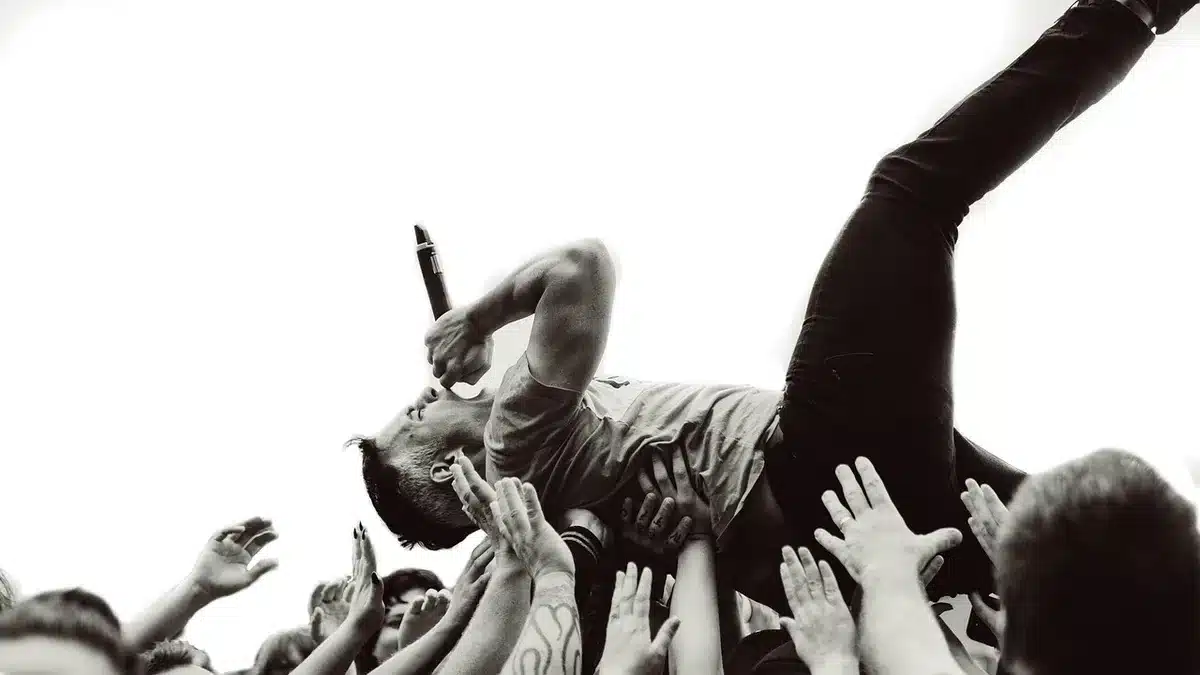
Bryan described a rigid pre-concert routine he believed ensured a good show.
- Workout
- Shower
- Play guitar
- Listen to Bon Iver
- Drink several beers
He relied on alcohol to calm his stage fright. In his own words, that pre-show beer count erased the nerves. That ritual extended into post-show drinking and then into the next day.
Managers urged him to try going onstage sober. Bryan resisted for years, treating alcohol like a talisman. He also admitted that the routine paid off in practical ways: the tours ran, the bills got paid, and the crew stayed employed. Still, the cost to his health was mounting.
Why he thought booze and creativity were linked
Bryan believed alcohol unlocked his best writing. He later described that belief as a curse. He thought he needed to be intoxicated to reach the songs that connected with listeners.
For a long time he assumed every big song required being under the influence. That conviction made sobriety feel like a creative risk.
The parking lot that forced honesty: a 30-day motorcycle trip
A solo motorcycle ride became the crucible for change. Bryan spent weeks on the road, often stopping at bars and using drink to fall asleep.

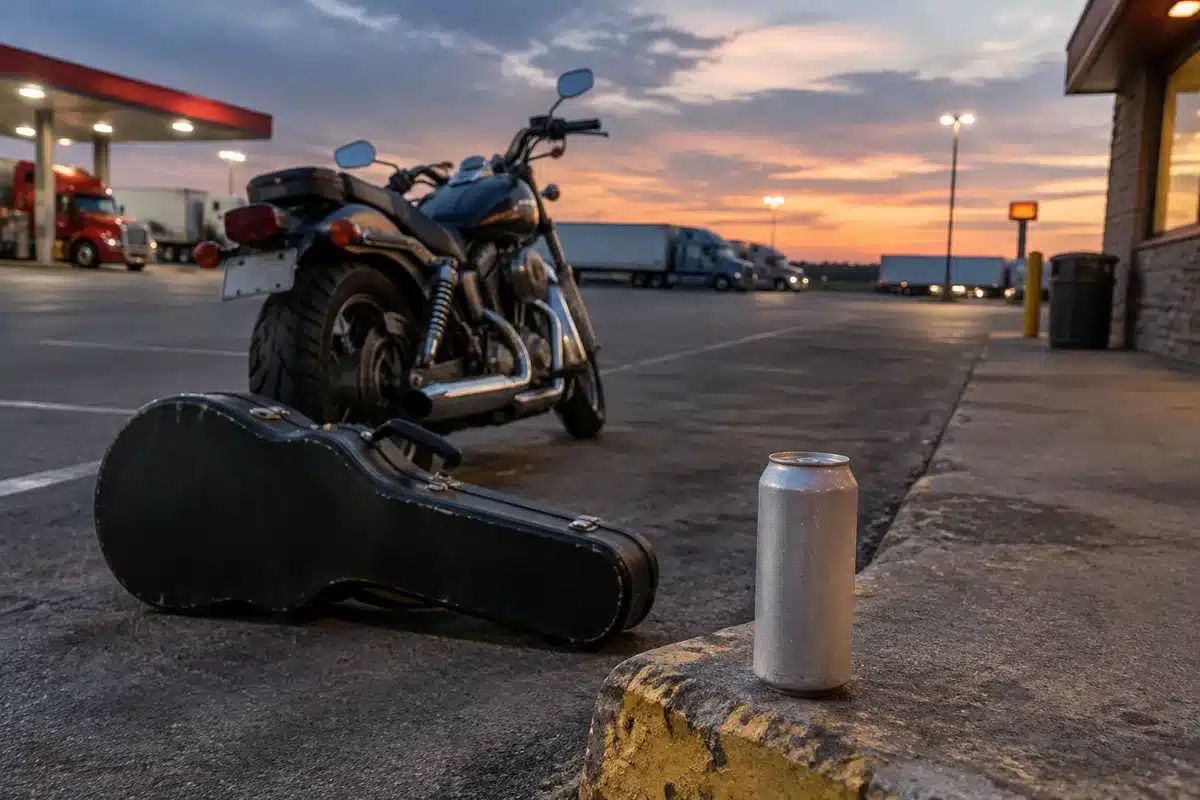
One night outside Seattle, at a Pilot truck stop, he bought a 40-ounce beer, sat beside his bike, and felt an unexpected emptiness. The image of himself alone with that drink crystallized the gap between his hopes and reality.
He thought about what he had been chasing: the romanticized idea of wandering and finding meaning. Instead he found isolation. That moment in a parking lot made him ask a simple, painful question: why am I drinking right now?
Choosing sobriety and the early, scary weeks
Bryan acknowledges that the first performances sober were more frightening. The safety net of alcohol was gone.
But he also says the reward came quickly. Once he stepped onstage without drinking, the experience felt purer and more exhilarating.
Performing sober, he says, is more intense and ultimately more joyful. He compares it to flying: scarier at first, then freeing.
Proof in the work: writing and recording without alcohol
The artist challenged his own long-held belief about creativity by making an entire project sober. Young Manhood and Other Donatable Organs was written and performed without a drink.
- Every lyric on the EP was composed while sober.
- Every vocal was recorded without alcohol in his system.
That process served as evidence he could create powerful music without relying on substances.
From denial to awareness: how perspective shifted
Before the change, Bryan dismissed sobriety culture. He viewed it as a response to weakness rather than a deliberate life choice.
Through his experiences he came to understand that denial had fueled his panic attacks and creative fears. Accepting responsibility for his own struggles became a key step in recovery.
Where he stands now: energy, creativity, and a different outlook
Bryan has publicly noted periods of abstinence before, saying in a previous announcement that he had been sober for a couple of months and was confronting a long-standing restlessness.
In the McConaughey conversation he credited sobriety with restoring his focus. He reported feeling more energized and less driven by an inner void.
He says sobriety left him feeling more whole, more creative, and more content, rather than dependent on alcohol to get through shows or to write songs.