Show summary Hide summary
- How a real-life nudge eased a dramatic peak
- Inside the courtroom moment that became iconic
- Who else was on set and how the picture came together
- A film that found critical and awards attention
- Rob Reiner’s on-set approach and a small lesson
- A Washington evening that became a favorite anecdote
- Why these stories matter to fans and filmmakers
Kevin Pollak has offered a vivid behind-the-scenes anecdote from the set of A Few Good Men, recalling a tense courtroom exchange that ended with an unexpected, playful punch. The actor’s recollection casts new light on how the film’s famous showdown was staged and how the performers kept the pressure manageable while shooting one of cinema’s most quoted confrontations.
How a real-life nudge eased a dramatic peak
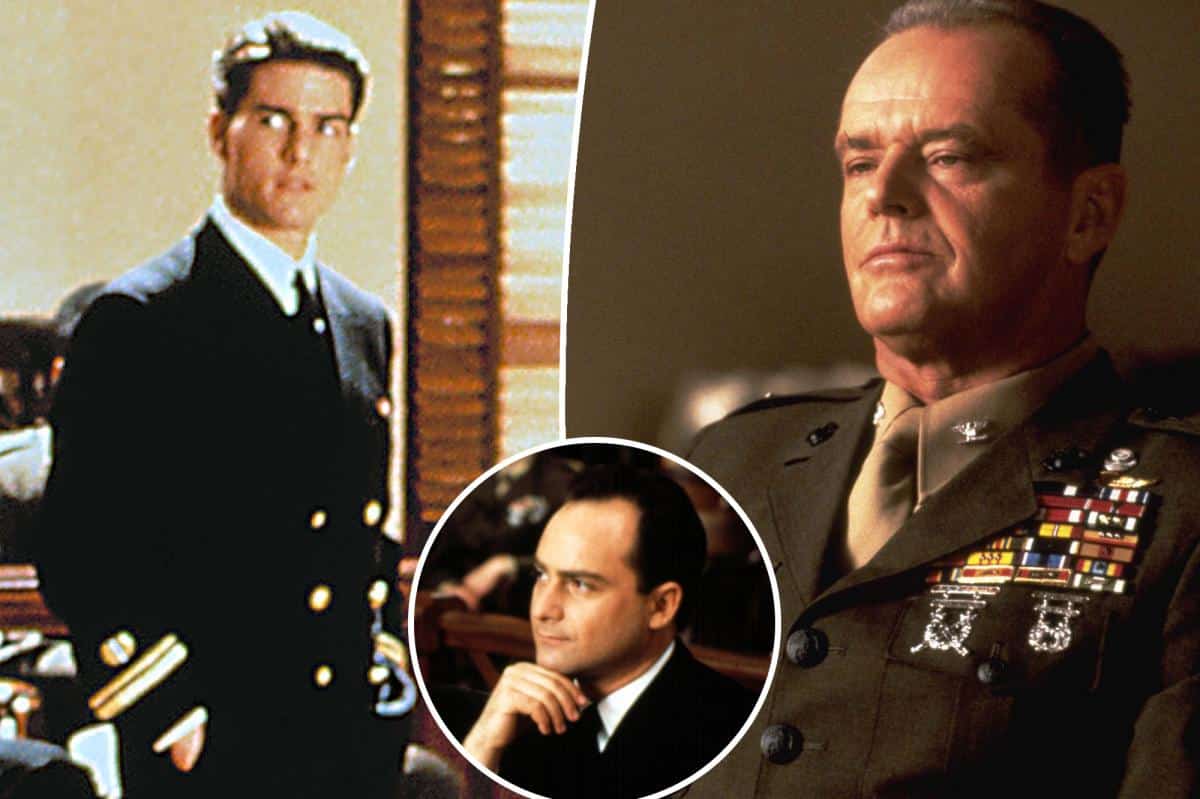
During a recent appearance on the Still Here Hollywood podcast with Steve Kmetko, Pollak described the moment cameras were locked on Jack Nicholson’s face as Tom Cruise advanced in the climactic exchange.
Heated rivalry future revealed: gay hockey romance teases second season
Tony Shalhoub avoided Hollywood spotlight: daughter reveals surprising reason
- According to Pollak, Nicholson pulled a ridiculous, clown-like expression while Cruise delivered his lines.
- Instead of breaking character, Cruise stayed in the moment and completed the take.
- When the scene wrapped, Cruise reportedly popped Nicholson on the shoulder, and both actors laughed it off.
Pollak framed the incident as an example of how high-stakes scenes can still be defused by small bits of real human interaction.
Inside the courtroom moment that became iconic
The film’s final courtroom face-off is central to its legacy. Tom Cruise plays Lt. Daniel Kaffee, a military lawyer thrust into a case at Guantánamo Bay. Jack Nicholson is Col. Nathan Jessup, whose testimony culminates in the film’s most famous line.
That showdown—often shortened to the “You can’t handle the truth!” moment—remains a cornerstone of modern film culture.
Why the scene works
- Sharp dialogue from writer Aaron Sorkin.
- Close-up camera work that magnifies small gestures.
- Actors committed to holding tension until the take ends.
Who else was on set and how the picture came together
A Few Good Men was released in 1992, directed by Rob Reiner and adapted from Aaron Sorkin’s stage play. The cast combined rising stars and established talents.
- Tom Cruise as Lt. Daniel Kaffee
- Jack Nicholson as Col. Nathan Jessup
- Demi Moore as Lt. Cdr. JoAnne Galloway
- Kevin Pollak, Kevin Bacon, Kiefer Sutherland, J.T. Walsh in supporting roles
The drama centers on whether two Marines acted under an unauthorized disciplinary order known as a “code red.”
A film that found critical and awards attention
The movie was both a box-office success and a critical favorite. It secured multiple Academy Award nominations.
- Best Picture
- Best Supporting Actor for Jack Nicholson
- Best Film Editing
- Other major categories
Its courtroom climax and energized performances helped cement the film in the public imagination.
Rob Reiner’s on-set approach and a small lesson
Pollak has spoken before about what he learned working with Reiner. The director emphasized balance:
- If the work isn’t fun, it’s not worth doing, Pollak recalled Reiner saying.
- Reiner encouraged an atmosphere where intensity and enjoyment coexisted.
That philosophy, Pollak says, shaped how the cast handled the film’s demanding scenes.
A Washington evening that became a favorite anecdote
Pollak also shared a charming memory from location work in Washington, D.C. He and Reiner were walking when a passerby recognized the director.
When asked what he was filming, Reiner joked he was working on The Godfather to avoid a long explanation about the play-turned-film. Pollak was struck by the practical wisdom of the answer and still uses it today.
Why these stories matter to fans and filmmakers
Moments like the shoulder tap reveal how intense performances are often built on trust and small risks. They show the difference between a staged reaction and a lived-in response.
- They humanize legendary actors.
- They demonstrate the teamwork behind a memorable take.
- They remind audiences that even iconic scenes can include irreverent or spontaneous beats.